






Cannonball Tree's Drama
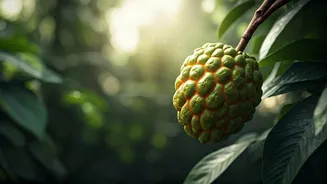
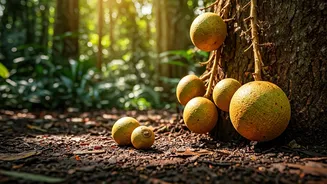
The Cannonball tree presents a truly striking spectacle with its enormous, rust-colored fruits that resemble old cannonballs. These weighty globes hang
directly from the tree's trunk, creating a dramatic visual in tropical landscapes. Botanically known for its impressive size and unusual fruit placement, this tree is a must-see for nature enthusiasts. Travelers seeking to witness this extraordinary specimen can find it cultivated in botanical gardens located across Sri Lanka and the southern regions of India. In Southern India, it holds cultural significance and is known by the name "Nagalingam." The sheer size and unique presentation of its fruit make it a captivating sight for any visitor interested in the plant kingdom's more peculiar offerings.
The Miracle Fruit's Magic
Experience the illusion of the Miracle Fruit, a small, lemon-like fruit that holds a remarkable secret: it temporarily transforms sour tastes into intensely sweet sensations. This intriguing fruit originates from West Africa and owes its unique property to a protein called miraculin, which alters the way our taste buds perceive flavors. For those eager to witness this gastronomic wonder, it can be found growing in specialized farms in Ghana, Japan, and certain areas of Florida. In recent times, dedicated tasting sessions featuring the Miracle Fruit have gained considerable popularity among tourists, offering a playful and unforgettable sensory experience.
Jabuticaba's Bark Beauties
The Jabuticaba tree offers a visual that often surprises first-time observers, with its dark purple fruits appearing to grow directly out of the tree's bark. This peculiar growth pattern creates an otherworldly aesthetic, unlike many other fruit-bearing trees. Despite its unusual appearance, the fruit itself is a delight, boasting a flavor profile that is wonderfully sweet, reminiscent of grapes and lychee. Travelers exploring parts of Brazil, particularly in the states of Minas Gerais and São Paulo, have the opportunity to see and taste this unique fruit. Many visitors have described their initial encounters with the Jabuticaba as 'otherworldly,' highlighting its distinctiveness in the world of fruits.
Durian's Polarizing Scent
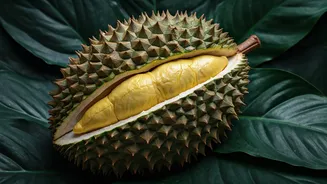
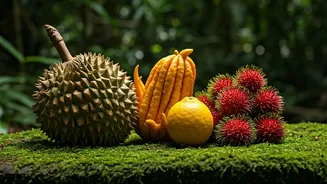
Renowned globally as the 'smelliest fruit in the world,' Durian is a true polarizing force in the culinary landscape. Its distinctive aroma elicits strong reactions, with enthusiasts praising it as a divine custard-like delicacy, while detractors liken its smell to something far less pleasant. Beyond its controversial scent, the towering Durian tree itself is a fascinating sight to behold in its natural habitat. This formidable fruit is commonly found and enjoyed across Southeast Asia, particularly in countries such as Thailand, Malaysia, Singapore, and Indonesia, where it is a celebrated, albeit pungent, local treasure.
Sausage Tree's Dangling Delights
Often referred to as Africa's 'hanging curiosity,' the Sausage Tree lives up to its name with its extraordinary, large, sausage-shaped fruits. These impressive fruits dangle directly from thick, rope-like stems, and some can reach lengths exceeding two feet. It's important to note that these fruits are not typically consumed fresh. Adventurous travelers on safari in countries like Kenya, Tanzania, and South Africa are likely to encounter these distinctive trees, often found growing near rivers and within wildlife reserves, adding another layer of intrigue to the African landscape.
Buddha's Hand Citrus Oddity
The Buddha's Hand citrus presents an appearance that is far removed from what one might typically associate with a fruit. Its segmented, finger-like shape bears a resemblance to an octopus, making it visually striking and unusual. Unlike many other citrus varieties, this fruit contains very little to no juice. Travelers interested in this unique specimen can seek it out in the serene settings of temple gardens or in bustling fruit markets throughout China and Japan, where its distinctive form is a common sight.
Baobab's Upside-Down Appeal
The Baobab tree is an iconic and majestic species, easily recognizable by its appearance, which often makes it seem as though it has been planted upside down. Its velvety fruit encases a pulp that is remarkably rich in vitamins, making it a valuable resource. Across Africa, this pulp is incorporated into various drinks and snacks, showcasing its versatility. Madagascar is a prime location for witnessing these magnificent Baobab trees, with the Avenue of the Baobabs being particularly renowned as one of the world's most photogenic tree-lined routes, offering unparalleled photo opportunities.
Ackee: Jamaica's National Fruit
Ackee holds the esteemed position of Jamaica's national fruit and possesses a vibrant red exterior that naturally splits open when it reaches ripeness. Inside, it reveals a creamy, yellow flesh surrounding distinct shiny black seeds. However, caution is paramount when consuming Ackee, as unripe portions of the fruit are toxic. Visitors to Jamaica can gain a deeper understanding and appreciation for this fruit by participating in local food tours, which often delve into its culinary preparation and cultural significance.
Mangosteen: Queen of Fruits
Often overshadowed by its more pungent cousin, Durian, the Mangosteen is rightfully celebrated as the undisputed 'Queen of Tropical Fruits.' This exquisite fruit features a deep purple skin that gives way to segments of sweet-and-tangy white flesh, a combination highly prized by fruit connoisseurs. The tree itself is a slow grower, thriving best in humid tropical environments. Travelers looking to sample this delightful fruit can find it in Southeast Asia, particularly in Thailand and Vietnam, where it is typically harvested and available during the monsoon season.
Snake Fruit's Scaly Charm
Snake Fruit, also known as Salak, stands out among the world's tropical fruits due to its distinct reddish-brown, scaly skin that bears a striking resemblance to snake leather. This unique fruit grows in clusters at the base of palm trees, adding to its exotic appeal. Inside, its cream-colored flesh offers a crunchy texture, often compared by those who taste it to a blend of apple, pineapple, and banana. Enthusiasts can discover the Snake Fruit tree in its native habitat in Indonesia, and it is particularly popular in regions like Bali, Java, and Yogyakarta.