






Global Stage Presence
The international fashion scene witnessed a significant influx of Indian designers in 2026, marking a pivotal moment for the industry. Designers such as Rahul
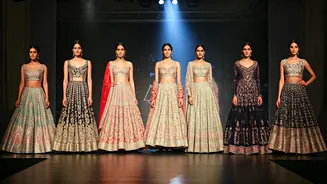
Mishra, known for his intricate embroidery and nature-inspired themes, showcased collections that captured global attention. Krésha Bajaj, celebrated for her bespoke bridal wear and contemporary designs, also left an impression. These designers, along with others, brought a unique blend of traditional Indian techniques and modern aesthetics to international runways. Their presence was not merely about displaying clothes; it was a cultural exchange, introducing global audiences to India's rich heritage and innovative design sensibilities. The impact extended beyond the runway, influencing trends, collaborations, and the overall perception of Indian fashion worldwide. The success of these designers underscored the growing influence and recognition of Indian fashion on a global scale.
Rahul Mishra's Artistry
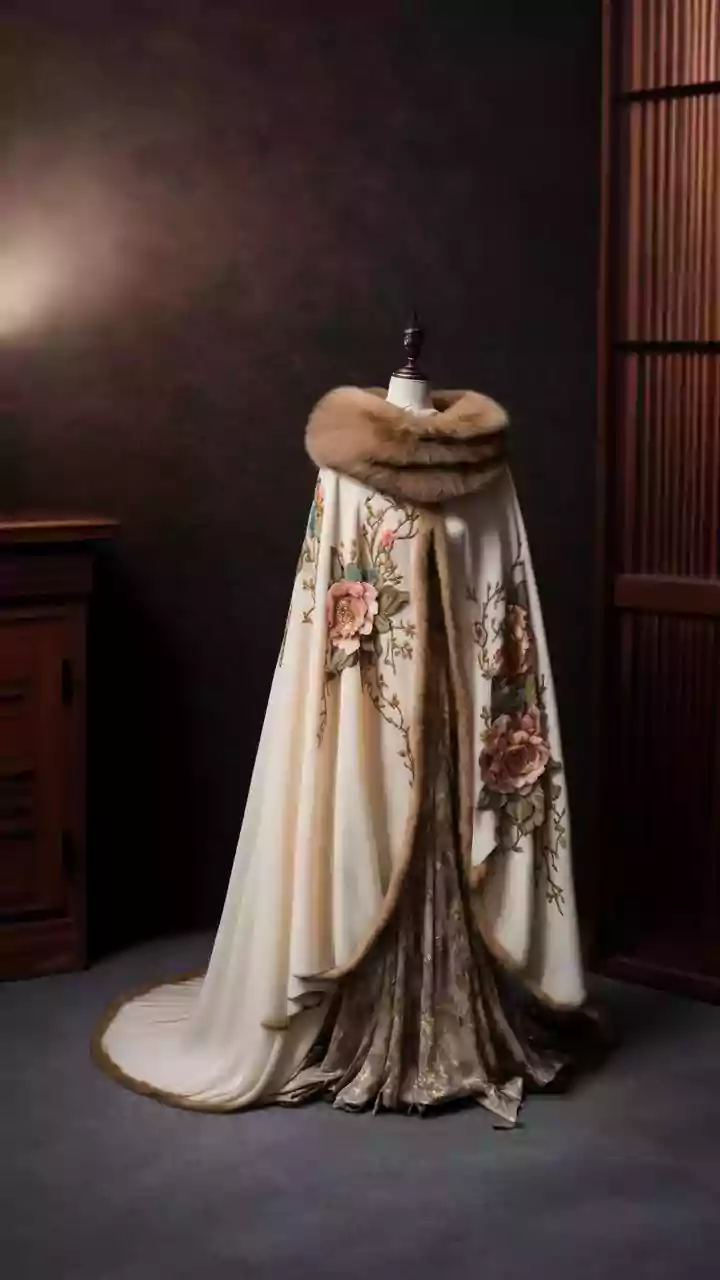
Rahul Mishra's work continued to enchant audiences in 2026, with collections that emphasized intricate craftsmanship and storytelling through clothing. His designs frequently incorporated hand-embroidered details and natural motifs, offering a visual narrative of sustainability and artistry. Mishra's collections, often presented at prestigious fashion weeks, highlighted the importance of slow fashion and the preservation of traditional techniques. He consistently blended Indian craftsmanship with global design sensibilities. His ability to create wearable art made him a favorite among critics and fashion enthusiasts. His collections in 2026 further solidified his reputation as a visionary, pushing boundaries while honoring the rich heritage of Indian textiles. The designs were not just garments but also a showcase of intricate artistry, celebrating both nature and culture.
Krésha Bajaj's Creations
Krésha Bajaj stood out in 2026 for her luxury bridal and ready-to-wear collections. Known for personalized designs and contemporary silhouettes, Bajaj brought a modern sensibility to traditional Indian craftsmanship. Her bridal wear was particularly sought after, featuring personalized designs, innovative cuts, and the use of luxurious fabrics. Krésha Bajaj's designs had a strong focus on empowering the modern Indian woman, with collections that combined elegance, sophistication, and a touch of glamour. She frequently incorporated elements of personalization, allowing brides to create truly unique ensembles. Her ability to blend traditional Indian aesthetics with contemporary design made her a key figure in modern Indian fashion. In 2026, her impact could be seen through red carpet appearances and influential editorial features, further cementing her position in the industry.
Emerging Talents
In addition to established names, the year 2026 saw the emergence of several promising Indian designers who made an impact on the international runway. These designers brought fresh perspectives and innovative approaches to design, reflecting the evolving landscape of Indian fashion. Their work ranged from sustainable fashion to avant-garde creations. This new generation of designers added diversity to the industry. Their innovative approaches incorporated modern silhouettes and advanced textile techniques, while continuing to preserve the traditional values. The rise of these emerging talents demonstrated the vitality of India's fashion sector and its potential for continued growth. This next wave of designers were influential in shaping the industry’s future, as they explored diverse themes.
Trends and Techniques
The fashion landscape of 2026 saw a number of prevailing trends and the use of innovative techniques. Sustainability was a key focus, with designers utilizing eco-friendly fabrics and promoting ethical production practices. Indian textiles were reimagined with a modern twist, using traditional crafts in contemporary designs. The fusion of traditional Indian artistry with modern design aesthetics, such as the use of intricate embroidery, embellishments, and detailed craftsmanship, became a key element of the collections. Several designers combined these with modern silhouettes, such as flowing dresses, tailored suits, and versatile separates, creating a seamless blend of heritage and modernity. These trends showcased the evolution of Indian fashion. These choices reflected a growing appreciation for craftsmanship and cultural heritage.
Impact and Influence
The influence of Indian designers in 2026 extended far beyond the runways, impacting consumer preferences and the global fashion conversation. Their designs were highlighted in international magazines, and were celebrated through high-profile collaborations. These designers were contributing to a more diverse and inclusive fashion landscape, celebrating different cultures. This surge in popularity also benefited India's textile industry. These Indian designers became ambassadors of Indian culture, introducing the rich cultural heritage to global audiences. They also empowered local artisans, providing them with opportunities and support. The presence of Indian designers on the global stage was crucial in transforming the way the world perceives Indian fashion, and it set the stage for continued innovation and influence.