



Golden Threads, Modern Wear
The practice of adorning fabrics with gold and silver is an age-old craft that has found a renewed and exclusive place in contemporary fashion, especially
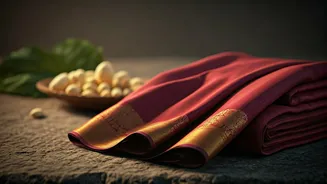
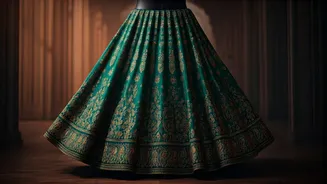
around Akshaya Tritiya. This auspicious day, traditionally marked by acquiring precious metals, now also signifies investment in unique fashion pieces. Designers are transforming handloom textiles by intricately weaving gold and silver threads, creating garments that are not merely festive wear but enduring heirlooms. These pieces, often considered meaningful investments, are designed to be cherished and passed down through generations. While the trend might have seen fluctuations, its exclusive appeal and deep-rooted connection to tradition ensure its lasting presence. For instance, pure gold and silver saris can range from ₹1 lakh to ₹3 lakh, with dupattas starting at ₹55,000, highlighting their status as significant acquisitions.
Craft Meets Emotion
For many designers, the allure of gold and silver embellished textiles extends beyond their aesthetic value; they carry profound emotional significance. Akshaya Tritiya serves as a reminder to invest in pieces that resonate deeply, holding not just beauty but also sentiment, ensuring they remain timeless. The meticulous craftsmanship involved in gold and silver embroidery, zardozi work, and hand embellishments evokes the richness of heirloom jewelry, artfully blurring the lines between apparel and adornment. Some designers even offer detachable polki and gold-thread patches, priced at ₹2 lakh and upwards, which can be applied to existing garments. This versatility allows for the enhancement of treasured pieces, making them even more unique and personal, while the gold and silver wires are often sourced from places like Surat, a hub for such materials.
Heritage Reimagined
A compelling trend sees younger generations creatively repurposing inherited garments enriched with gold and silver threads into modern silhouettes. This practice breathes new life into ancestral pieces, preserving their essence while adapting them to current fashion sensibilities. For example, a bride's grandmother's pure gold sari might be transformed into a contemporary dress, symbolizing the enduring brilliance of gold threads even as the fabric ages gracefully. This act of restyling heritage clothing is seen as a beautiful way to maintain tradition in a fashionable manner, making such costly possessions valuable gifts for special occasions like Akshaya Tritiya. Some designers have even created collections, like those for Prime Minister Narendra Modi’s Kashi to Kyoto initiative, utilizing these opulent gold embellishments.
Exclusive Investment
The creation of pure zari textiles, especially those heavily embellished with gold, is often a made-to-order process due to their inherent cost and the intricate craftsmanship involved. While Akshaya Tritiya can prompt some orders, the demand remains a niche segment. The significant price difference between standard zari work saris (around ₹40,000) and those featuring actual gold work (starting from ₹1.75 lakh) underscores the substantial investment in both material and artisanal skill. These pieces are typically not purchased with the intention of resale, though the value of the gold itself can be extracted, yielding a fraction of the original cost. Kanchipuram is renowned as a prime location for acquiring such pure gold and silver saris and other traditional attire, with a growing trend of passing these prized possessions to younger family members.
Divine Attire
The auspicious occasion of Akshaya Tritiya also extends to the creation of divine garments. For instance, outfits for deities are meticulously crafted with traditional motifs and precious threads. Ram Lalla's attire for Akshaya Tritiya has featured exquisite materials like Assam’s Eri and Munga silk, adorned with authentic gold and silver wire motifs meticulously worked on in Varanasi. This year's divine vestments are made from Madhya Pradesh’s Chandeli Silk and Baluchari textile, featuring extensive hand embroidery. Beyond religious garments, designers also create opulent traditional menswear, such as achkans with gold work on pockets, priced from ₹1.25 lakh onwards, catering to a discerning clientele for significant cultural initiatives.