





Fridge Door Handles
The humble fridge handle is a prime suspect in kitchen germ proliferation. Considering that the average American opens their refrigerator door an astounding
33 times daily, this frequently touched surface becomes a veritable playground for bacteria and unseen microbes. Unlike countertops that are often wiped down, the fridge handle is a hotspot of transmission, especially since it's rarely subjected to regular sanitization. To combat this, Dr. Elliott recommends a simple yet crucial practice: a daily wipe-down of the handle. This consistent effort can significantly reduce the microbial load, ensuring this essential kitchen fixture doesn't become an unintentional source of contamination for your food and your family's health.
The Humble Garbage Bin
While taking out the trash is a common chore, many overlook the receptacle itself. If your garbage bin emits an unpleasant odor, it's a clear indicator that bacteria are flourishing within its depths. Dr. Elliott emphasizes that a clean bin should be odor-free. Even with frequent trash removal, residual food particles, liquids, and organic matter can accumulate on the interior and exterior surfaces. To maintain a hygienic environment, she advises a thorough cleaning of the bin on a regular basis, with a weekly check to assess for any lingering smells and to ensure cleanliness both inside and out, thereby preventing it from becoming a secondary source of kitchen odors and germs.
Your Dish Sponge
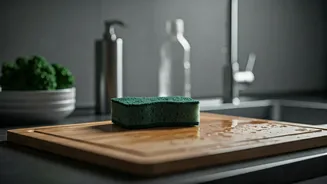
The very tool you use to clean your dishes might be one of the dirtiest items in your kitchen. Dr. Elliott highlights that dish sponges are notoriously difficult to keep truly clean or dry, making them ideal breeding grounds for bacteria and mold. The porous nature of these cleaning aids, often made of plastic, traps food debris and moisture. To mitigate this, frequent replacement of your sponges is paramount. While washing with hot, soapy water and thoroughly squeezing them dry can help, prolonged dampness should be avoided. Regular sanitization and prompt replacement are key to ensuring your dish sponge aids in cleaning rather than spreading contaminants.
The Unseen Kettle Grime
Even appliances used solely for boiling water can harbor hidden unsanitary conditions. Dr. Elliott points out that the inside of your kettle, often forgotten, can accumulate mineral deposits, bacteria, and even mold. These contaminants can transfer to the water you use for drinks and cooking, compromising hygiene. To prevent this, it's recommended to make a habit of thoroughly washing your kettle after each use. Ensuring that the kettle is completely dried out after cleaning is also essential to inhibit microbial growth, thereby ensuring that the water you boil remains as pure as possible.
Dishwasher's Hidden Drain
Perhaps the most surprising germ hotspot is the dishwasher drain, an area many people are unaware of or neglect entirely. Dr. Elliott strongly advises cleaning this component at least once a week. Food particles and debris can easily get trapped in the drain, creating a breeding ground for bacteria. When you run your dishwasher, these particles can recirculate, potentially re-contaminating your dishes. By regularly removing and cleaning the dishwasher drain, you ensure a more effective and hygienic cleaning cycle for your tableware, preventing your dishes from being washed with residual grime.