


The Boiling Trap
Many people believe that boiling is a straightforward way to prepare vegetables, but when it comes to broccoli, this method is surprisingly detrimental
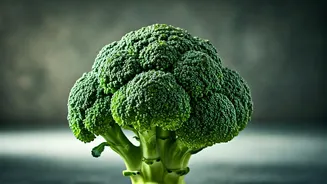
to its nutritional value. Research indicates that boiling can lead to a staggering loss of up to 70% of broccoli's essential flavonoids, compounds known for their antioxidant and anti-inflammatory properties. These beneficial substances, like kaempferol and quercetin, are delicate and water-soluble, meaning they dissolve directly into the boiling water. Consequently, when you discard that nutrient-rich liquid, you're also throwing away a significant portion of what makes broccoli healthy. Furthermore, the heat from boiling deactivates a crucial enzyme called myrosinase, which is vital for the formation of sulforaphane, a compound linked to cancer-fighting benefits. This enzymatic shutdown prevents your body from synthesizing this protective element, rendering the cooked broccoli far less potent than it could be. The traditional approach of boiling and draining effectively strips the vegetable of its prime health-giving components, leaving behind a less beneficial product.
Superior Cooking Methods
Fortunately, there are cooking methods that brilliantly preserve broccoli's nutritional integrity. Steaming and microwaving, when done with minimal water, are champions in retaining these valuable flavonoids. Studies show that these techniques can preserve nearly 90% of these beneficial compounds, a stark contrast to boiling. Steaming, in particular, is often lauded as the optimal method. It provides just enough heat to cook the broccoli to a palatable tenderness and ensure it's safe to consume, while remaining gentle enough to keep the sensitive myrosinase enzyme active. Microwaving with a small amount of water can also enhance the bioavailability of certain nutrients, meaning your body can absorb them more readily by slightly weakening the plant's cell walls. It's important to note that microwaving doesn't create nutrients; it merely makes existing ones more accessible. Opting for these methods ensures you're getting the most health bang for your broccoli buck.
Maximizing Sulforaphane
Sulforaphane, the compound celebrated for its potential anti-cancer properties, relies on the enzyme myrosinase for its creation within the broccoli. This enzyme is activated only when the broccoli is cut or chewed, and it converts precursor compounds into sulforaphane. However, myrosinase is highly susceptible to heat; excessive temperatures, especially in the presence of water, quickly render it inactive. This means that conventional boiling or prolonged high-heat microwaving effectively 'switches off' this vital enzyme before sulforaphane can be produced. To counteract this, a clever workaround exists: incorporating mustard seeds. Mustard seeds contain a heat-stable form of the myrosinase enzyme. By adding ground mustard seeds or mustard powder to your cooked broccoli, you can essentially restart the sulforaphane production process, even after the heat has potentially deactivated the broccoli's own enzymes. This simple addition ensures that the cancer-fighting benefits, which would otherwise be lost, can still be realized.
Smart Preparation Tips
Beyond choosing the right cooking method, a few simple preparation strategies can further boost broccoli's health benefits. When microwaving, use only about a tablespoon of water and the lowest temperature setting that still achieves a vibrant green color and a slight crunch. This minimizes nutrient loss and preserves texture. For steaming, a steamer basket is a worthwhile investment. Elevating the broccoli above the boiling water prevents direct contact, significantly reducing the leaching of water-soluble nutrients. Timing and preparation also play a role. Chopping your broccoli and allowing it to sit for approximately 30 to 40 minutes before cooking can be beneficial. This 'wait time' allows the sulforaphane to begin forming, as the myrosinase enzyme has more time to work before being exposed to high heat. Finally, for those who still prefer their broccoli thoroughly cooked, supplementing with ingredients like mustard powder, horseradish, or arugula can help reintroduce or preserve enzymatic activity, ensuring you receive a more complete nutritional profile from your meal.