






Understanding Mild Acne
As summer temperatures climb, increased sweat and humidity can clog pores, leading to the initial signs of acne. This often manifests as minor blemishes
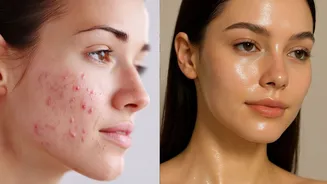
like whiteheads and blackheads, particularly on the forehead and nose. These are essentially small blockages in your pores. At this stage, a consistent skincare routine is key. Washing your face twice daily with a cleanser containing salicylic acid can help keep pores clear. It's also advisable to avoid heavy, occlusive creams that can contribute to pore congestion. When these small bumps begin to show redness and inflammation, it signals that your skin's protective barrier might be compromised. Introducing products with niacinamide can help soothe and strengthen the skin, while targeted spot treatments with benzoyl peroxide can address individual inflamed spots without over-drying the surrounding skin. This proactive approach can often manage early-stage breakouts before they escalate.
Recognizing Severe Breakouts
When acne progresses beyond simple pimples, it can enter a more severe inflammatory phase that demands professional attention. This is characterized by the development of painful cysts and deep nodules, often appearing along the jawline. These lesions are significantly swollen and can leave behind noticeable marks or scars if not properly managed. The progression to this stage indicates that the acne is deeply rooted and has the potential for long-term damage. It's crucial to seek guidance from a dermatologist at this point, as they can offer effective treatment plans. These might include prescription topical creams, oral antibiotics to combat infection and inflammation, chemical peels to improve skin texture and reduce scarring, and potentially a hormonal evaluation to address underlying imbalances contributing to the severe breakouts. Early intervention by an expert is vital to prevent permanent scarring and resolve these challenging conditions.
Addressing Hormonal Acne
Certain acne patterns strongly suggest a hormonal influence, particularly when breakouts occur cyclically or persist into adulthood. Experiencing breakouts around menstrual periods, persistent adult acne, recurring cystic acne, or pimples predominantly on the chin and jawline are common indicators of hormonal shifts. Factors such as polycystic ovary syndrome (PCOS), disruptions in sleep patterns, and elevated stress levels can significantly contribute to these types of outbreaks. When these symptoms are present, consulting a doctor is essential. A dermatologist can order specific hormonal tests to identify imbalances. Treatment strategies often involve a combination of lifestyle adjustments, such as improving sleep hygiene and stress management techniques, along with prescribed oral medications. Prescription retinoids are frequently recommended for their efficacy in regulating skin cell turnover and reducing inflammation associated with hormonal acne.
Summer Skin Protection
To proactively ward off summer acne flare-ups, adopting a mindful skincare routine is essential. Opt for lightweight, non-comedogenic products, such as oil-free sunscreens and gel-based moisturizers, which are less likely to clog pores. Sunscreen is non-negotiable, as sun exposure can exacerbate acne marks and lead to pigmentation issues. It's also vital to cleanse your skin promptly after sweating to prevent sweat from accumulating and blocking pores. During the hotter months, increasing the frequency of washing pillowcases, ideally twice a week, can minimize the transfer of bacteria and oils to your face. While exfoliation is important, consider reducing the use of harsh acids and scrubs, as they can irritate and weaken the skin barrier during summer. Finally, maintaining adequate hydration by drinking plenty of water is crucial for overall skin health and can help regulate oil production.