

Current Trends Explored
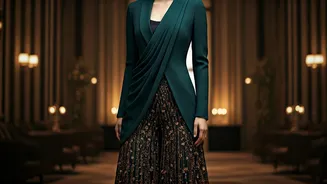
Fashion constantly evolves, with new trends emerging rapidly. In recent times, the industry has seen a resurgence of vintage styles, with influences from
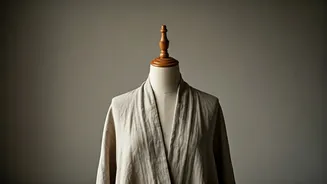
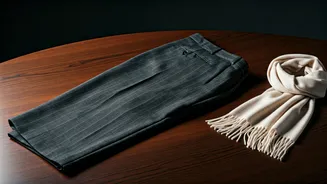
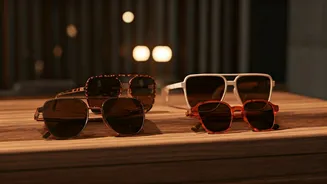
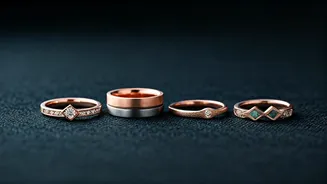
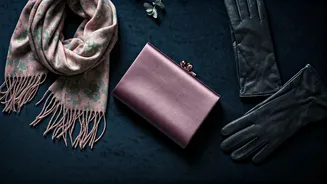
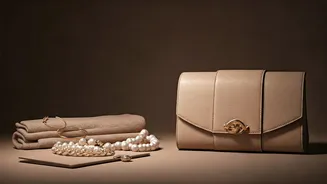
the 70s and 90s making a comeback. Simultaneously, minimalist aesthetics continue to thrive, focusing on clean lines and timeless pieces. Athleisure remains a significant trend, blending sportswear with everyday wear, offering comfort without sacrificing style. Bold colors and patterns also play a vital role, giving an opportunity for self-expression through vibrant hues and eye-catching designs. Accessories are also getting their due, with statement jewelry and oversized bags enhancing outfits.
Social Media Influence
Social media platforms have transformed the fashion industry, acting as launchpads for new trends and influential voices. Platforms such as Instagram and TikTok offer an instant, global stage for designers, influencers, and brands to showcase their work and connect with audiences. Through user-generated content, these platforms democratize fashion, with everyday individuals gaining significant followings and shaping consumer preferences. The quick nature of social media, however, also contributes to the rapid cycles of fashion trends, resulting in fast fashion, where styles come and go at an accelerating rate. Brands also use social media to advertise, increasing brand awareness and sales.
Sustainability and Ethics
Sustainability and ethical practices are now vital in the fashion industry. Growing consumer awareness about the environmental impact of fashion has increased the demand for eco-friendly alternatives. Brands are adopting strategies such as using recycled materials, reducing water usage, and promoting circular fashion models, like clothing rentals and resale. Ethical sourcing and fair labor practices are also gaining traction. Consumers are increasingly seeking transparency in supply chains, which influences brands to become more open about their manufacturing processes. These practices demonstrate the industry's commitment to creating a more responsible and sustainable future.
Personal Style Defined
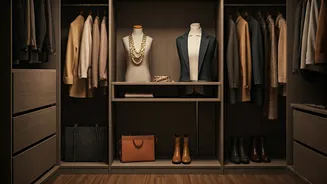
Personal style is a unique form of self-expression, reflecting a person's identity, preferences, and values. It goes beyond following trends and emphasizes wearing clothes that align with individual tastes and personality. Building a personal style begins with self-awareness, knowing one's body type, and understanding the colors and styles that resonate most. Developing a personal style involves experimentation, with people trying different looks and discovering what works best for them. Accessorizing plays a vital role in styling, helping to complete and personalize an outfit. The evolution of personal style is an ongoing process, as personal tastes and the influences around us change over time, resulting in a constantly evolving wardrobe.
Future of Fashion
The future of fashion is set to be shaped by technology, sustainability, and greater inclusivity. Digital innovations such as virtual reality and augmented reality are transforming how people engage with fashion, from virtual try-ons to immersive shopping experiences. Artificial intelligence also plays a role, with AI being used to predict trends, personalize recommendations, and optimize supply chains. Further advancements in sustainable materials and circular fashion models are anticipated, as the industry aims to minimize its environmental footprint. The emphasis on inclusivity and diversity will continue, as fashion seeks to represent a broader range of body types, ethnicities, and gender identities, reflecting the changing world around us.