


The Science Behind Rice Water
Rice water, a staple in traditional beauty practices, is gaining modern traction for its purported benefits. Its efficacy stems from the starch, amino
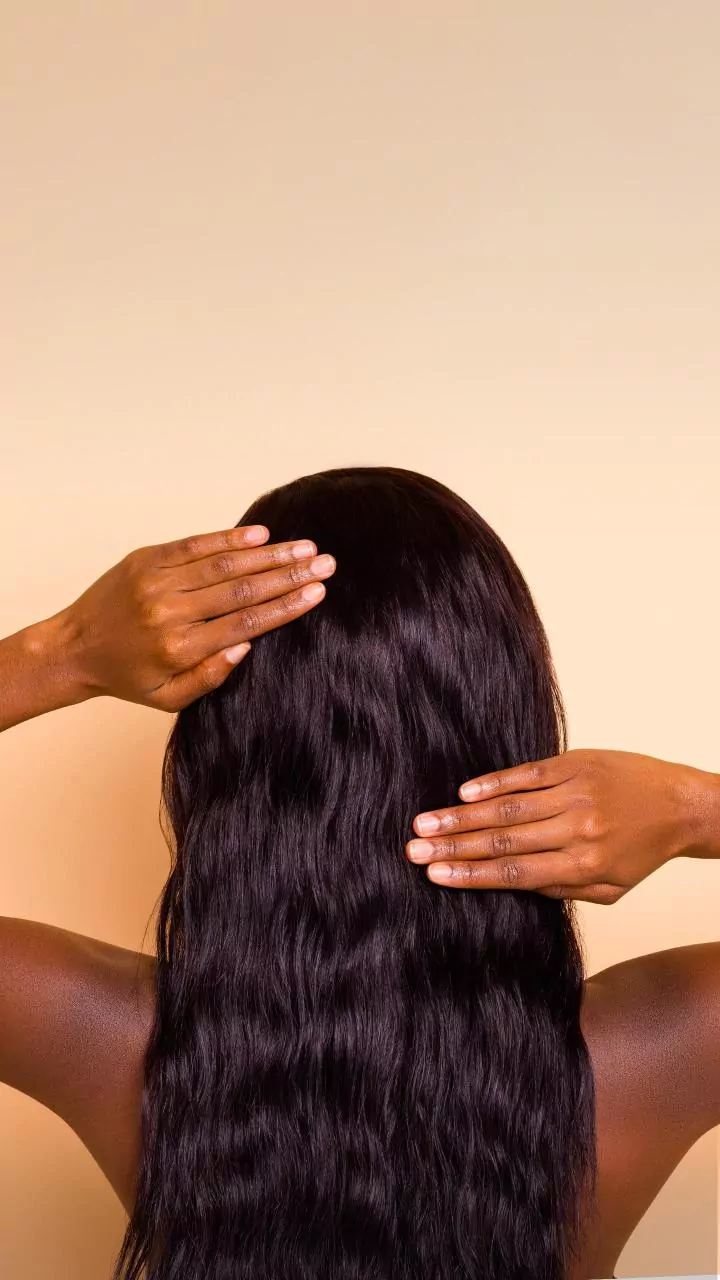
acids, and trace vitamins present. These components form a subtle coating on the hair shaft, which effectively reduces friction. This smoother surface leads to easier detangling and imparts a temporary gloss and suppleness, making hair feel notably softer immediately after application. While it offers surface-level improvements, its impact is primarily cosmetic and transient, enhancing manageability and adding a polished sheen rather than addressing deep-seated structural issues.
Effective Applications and Limitations
The true strength of rice water lies in its ability to enhance the external appearance and manageability of hair. It simplifies styling and provides a light, lustrous finish. For the skin, it offers a refreshing sensation, making it a common ingredient in natural skincare remedies and simple at-home treatments. However, it's crucial to manage expectations. Rice water is not a potent repair agent for severely damaged hair nor can it substitute specialized hair treatments. Its effects are temporary and tend to wash out, positioning it as a quick cosmetic boost rather than a lasting solution for significant hair concerns.
Crafting and Using Rice Water
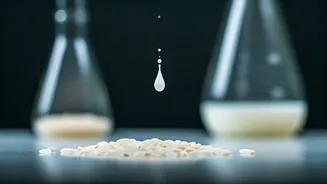
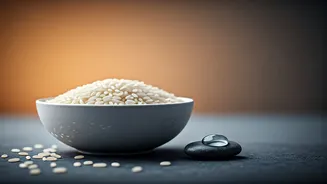
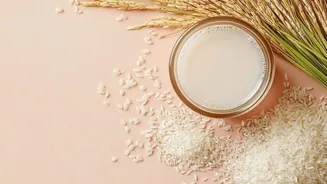
Preparing rice water at home is an uncomplicated process. Begin by rinsing uncooked rice, then collect the water used for this rinse, or allow the rice to steep in water for a few hours. Fermented rice water, while often touted as more potent, isn't always superior and can be excessively intense for regular scalp maintenance. Moderation is key when using rice water for hair health. Occasional application yields better results than frequent use. When used sparingly, it contributes to healthier hair by refining texture and enhancing softness. Overdoing it, however, can lead to product buildup, potentially impacting scalp health and leaving hair feeling heavy or coated, diminishing its natural bounce and vitality.
Rice Water for Skin Concerns
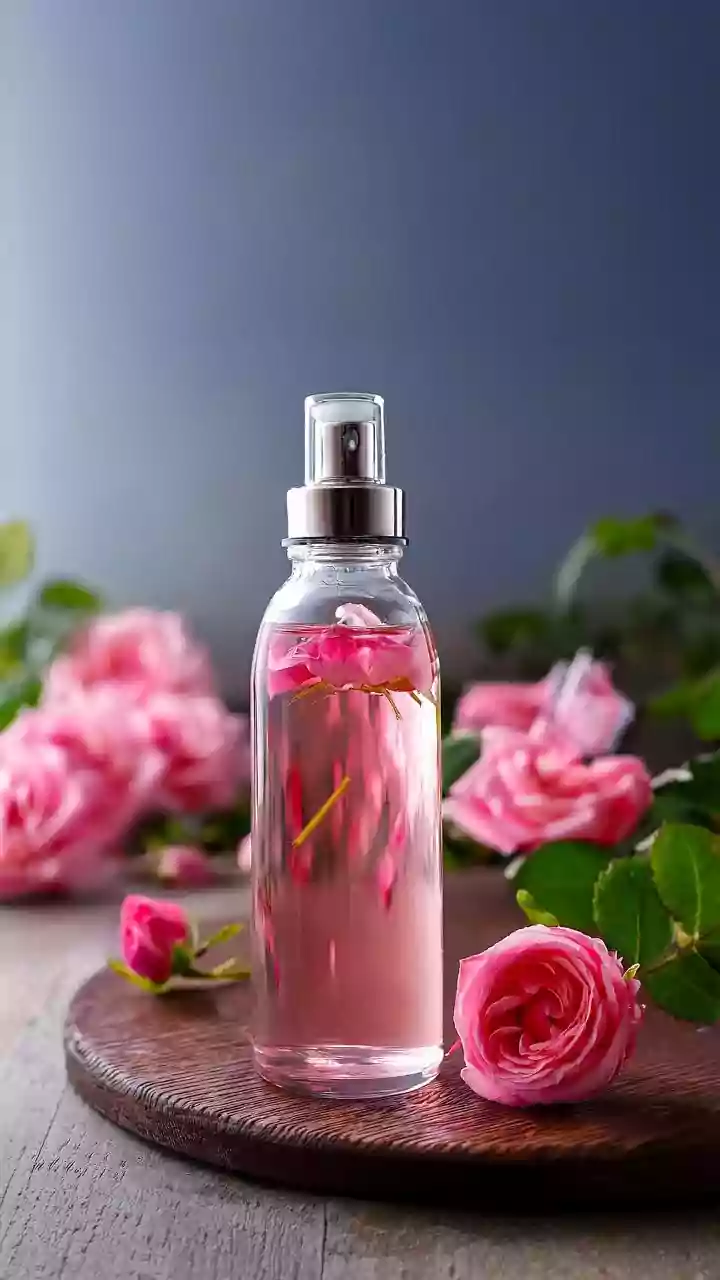
As a facial rinse, rice water can provide a gentle cleansing effect, but it should not be considered a replacement for a dedicated facial cleanser. It imparts a light, revitalizing sensation and may offer a temporary radiance, but it lacks the efficacy to address more profound skin issues or to deliver the active ingredients typically found in a comprehensive daily skincare regimen. For those seeking significant improvements in skin texture, tone, or specific conditions like acne or hyperpigmentation, relying solely on rice water would be insufficient. It's best viewed as a supplementary step for a refreshing feel rather than a core treatment.
Hair Texture and Rice Water
The effectiveness of rice water is notably influenced by individual hair textures. Fine hair types often experience enhanced smoothness and a feeling of lightness after using rice water. Conversely, thicker or more textured hair can sometimes feel stiff or weighed down by the starchy residue. Therefore, understanding your hair's specific needs and adjusting the frequency of rice water application is more critical than blindly following trending beauty advice. Experimenting with how often you use it, and whether you dilute it further, will help you find the optimal balance for your hair's unique characteristics and achieve the desired enhancements without negative side effects.