
Eclipse's Path Unveiled
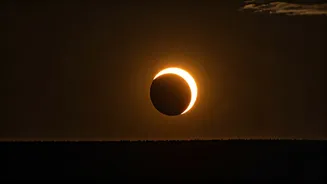
The total solar eclipse of August 12, 2026, will journey across Greenland, Iceland, and Spain. This remarkable celestial event unfolds as the moon positions
itself between the sun and Earth, completely concealing the sun's brilliant face. Those situated within the eclipse's path will experience a period of complete darkness during the day. The totality, or the period when the sun is entirely blocked, will last only a few minutes, its duration varying depending on the viewer's specific location. The visibility of the partial eclipse will extend across a vast area, covering much of Europe and beyond, making it an awe-inspiring spectacle for many across the globe. Locations like Reykjavík, Iceland, will have the unique experience of being in the path of totality.
Totality's Brief Window
The essence of a total solar eclipse is the brief period known as totality. This is when the moon entirely obscures the sun's disk. This stage is a limited time window, and the exact length varies depending on the observer's position. People in the direct path of the eclipse will witness this rare and extraordinary sight, where daylight momentarily fades. During totality, the sun's corona, its outer atmosphere, becomes visible, creating a breathtaking and unforgettable experience. The fleeting nature of totality makes it vital to be prepared and focused. The anticipation of this moment will make this a rare opportunity for people to witness nature's marvel.
Safe Viewing Protocols
Witnessing a solar eclipse requires careful attention to safety. Looking directly at the sun, even during a partial eclipse, can result in irreversible eye damage. To safely observe the eclipse, specialized eye protection is crucial, such as solar eclipse glasses that meet the ISO 12312-2 international safety standard. These glasses filter out harmful ultraviolet and infrared rays, allowing for a safe viewing experience. Alternatively, indirect viewing methods, like using a pinhole projector, are also effective. It's imperative to avoid using regular sunglasses, as they do not offer adequate protection. Planning ahead and securing the proper safety equipment is vital to ensure an enjoyable and safe viewing experience during the 2026 eclipse.