


Beyond Garments, Towards Access
Mayyur Girotra's venture, 'The Collectables,' transcends the typical definition of a fashion collection, shifting the focus from mere garments to genuine
access to exquisite textiles. It's not an extension of his existing brand but rather a new methodology that brings the creative process into closer proximity with its origins. Girotra's initiative is deeply rooted in his upbringing, where textiles were treated with immense respect and sourced directly, fostering conversations about the purity of handwork and materials. This project is an intentional move away from the industry's usual intermediaries, aiming to build a direct connection with the people and systems that preserve textile traditions, acknowledging that the true value lies not just in the fabric itself but in the human stories and dedication woven into it.
The Reality of Craft
Girotra's immersion into craft clusters revealed a stark contrast to the romanticized perception of artisanal work. The journey into communities across Rajasthan and beyond exposed a challenging reality: the artisans often do not encourage their children to pursue the craft, not out of a lack of passion, but due to the absence of a viable livelihood. This realization reframes the entire endeavor from abstract preservation to the practical necessity of ensuring sustainability for the craftspeople. The core issue, as Girotra emphasizes, isn't just the celebration of craft itself, which is prevalent in fashion discourse, but the economic foundation that supports it. His engagement is therefore not merely collaborative but is intrinsically linked to providing consistent work and fair compensation, understanding that tangible change hinges on these fundamental economic considerations for the artisans.
Layering Stories and Textures
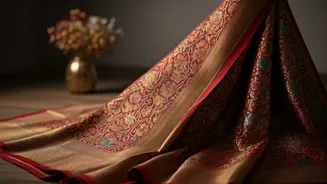
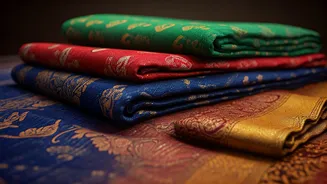
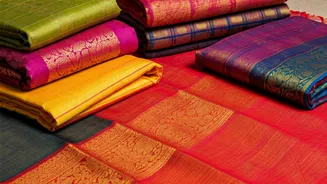
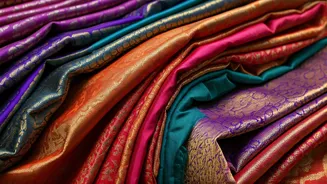
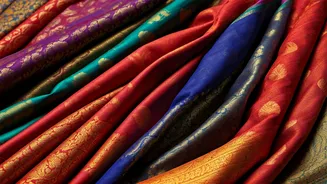
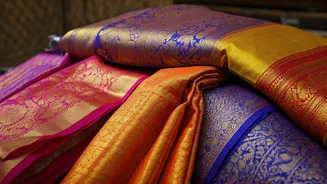
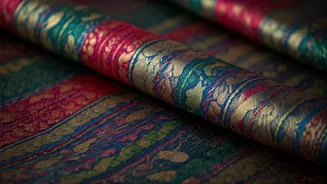
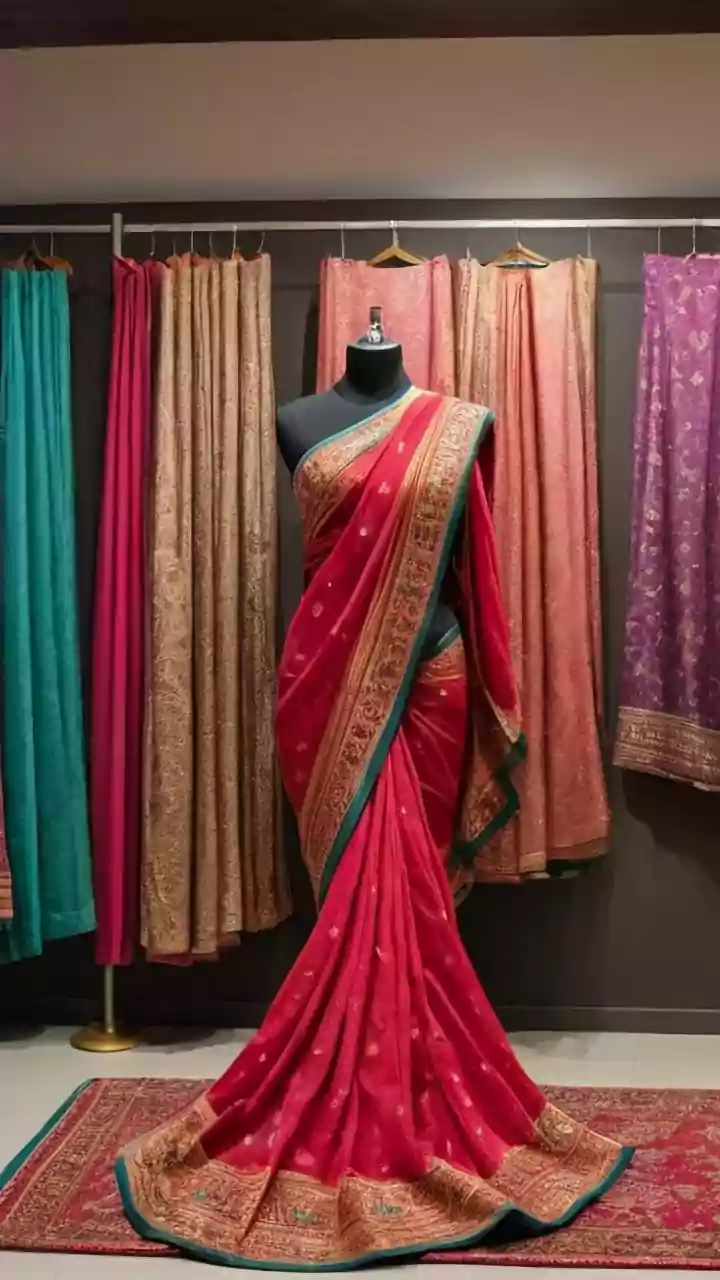
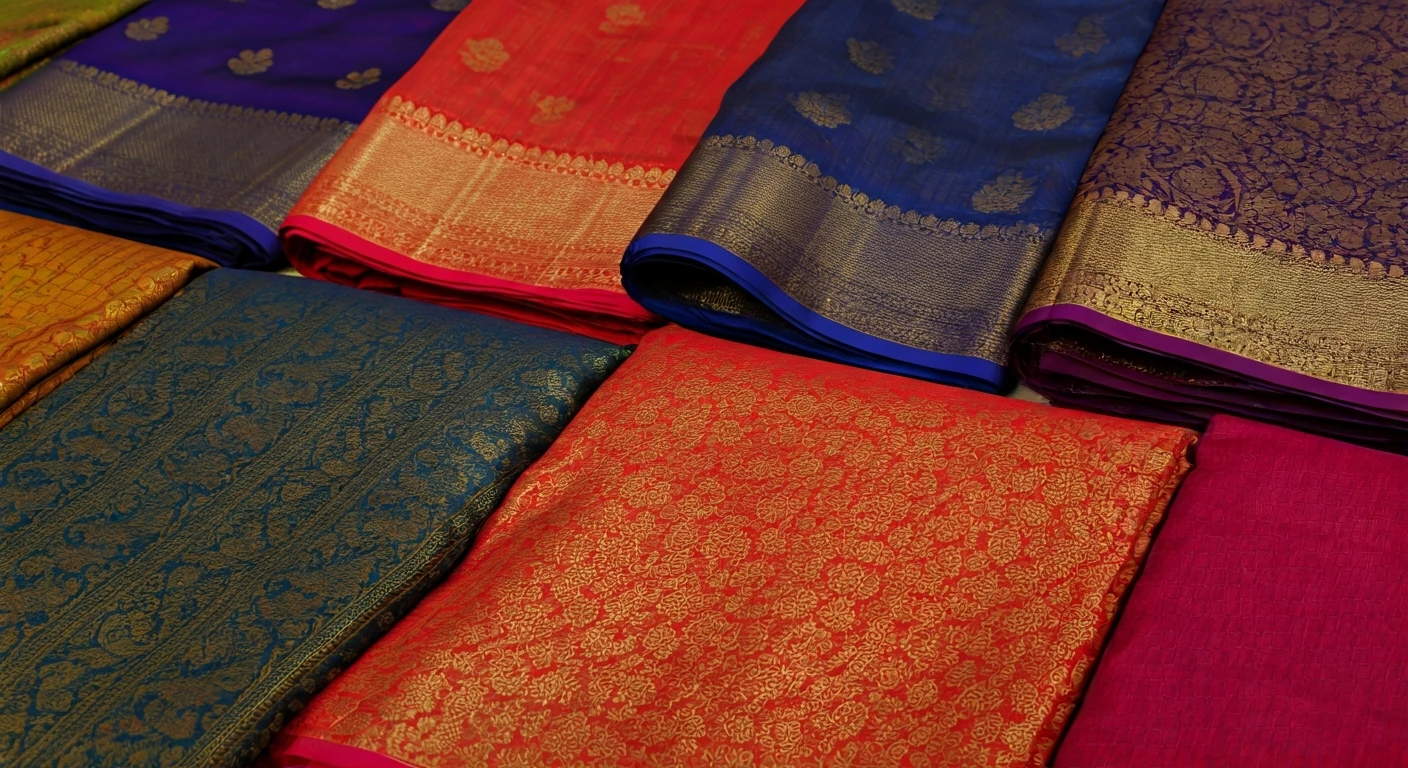
The structure of 'The Collectables' directly reflects Girotra's commitment to ethical practices and material integrity. The garments are meticulously crafted using a blend of carefully sourced vintage textiles and newly created fabrics produced by the artisan communities he collaborates with. This includes a diverse range of traditional Indian textiles such as old Kutch embroideries, bandhanis, ikats, Kanjivarams, batiks, and even repurposed utilitarian items like donkey bags. The collection's distinctiveness lies in its handling of these materials; Girotra employs extensive layering and restructuring techniques to imbue the textiles with enhanced depth. Older fabrics are skillfully restored through patching and reinforcement, while new textiles are created using time-honored methods by artisans who have honed their skills over decades, deliberately blurring the lines between the old and the new to create pieces destined to become heirlooms.
Bridging Vintage and New
Girotra navigates a nuanced market perception where the allure of 'vintage' often overshadows newly created crafts, even when made with identical techniques. He observes that the term 'vintage' inherently generates excitement, whereas explaining the value of contemporary, handcrafted items requires a more involved narrative. This educational aspect becomes an integral part of the design process itself, with the garment serving one purpose and its accompanying story fulfilling another. The project's intuitive nature is exemplified by its genesis, with early pieces arising organically from discovered materials. For instance, a significant creation began with a bedcover found in Udaipur, later combined with a Kanjivaram textile and indigo detailing, resulting in a surprisingly cohesive and compelling aesthetic. This instinctual approach allows the pieces to hold together without artificial coherence, a common pitfall in experimental fashion.
Wearable Legacies
The silhouettes in 'The Collectables' are thoughtfully designed, prioritizing wearability and versatility over elaborate ornamentation. Girotra envisions these garments as enduring pieces meant for repeated use and styling across various contexts, intended to be integrated into a personal wardrobe rather than relegated to special occasions. His target consumer is someone who appreciates longevity and re-wearing, emphasizing that these are not transient fashion items. This practical philosophy challenges the notion of preciousness often associated with heavily embellished, craft-based clothing. Furthermore, the collection incorporates a natural limitation, dictated by material availability rather than artificial exclusivity. If a particular textile yields only two garments, that marks the end of its production for that specific design. Similarly, recreated fabrics, while similar, will exhibit unique variations, an acceptance of imperfection that is fundamental to the artisanal process.
An Organic Future
When discussing the future of 'The Collectables,' Girotra's vision is refreshingly uncomplicated, eschewing the conventional strategies of expansion or aggressive marketing. His approach is centered on continuous creation: sourcing materials, collaborating with artisans, and releasing pieces that resonate with his artistic sensibility. This seemingly loose framework is deeply anchored by a clear purpose – to maintain the integrity of the work and ensure the artisans are integral and respected contributors to the project. The collection is not attempting a wholesale revolution of the fashion industry but rather operates on a more intimate scale. It focuses on cultivating relationships, supporting specific craft communities, producing garments imbued with palpable history, and embracing the inherent beauty of imperfection. It invites a more conscious engagement from the wearer, who becomes part of a chain of decisions that extends far beyond the finished product.