




The Boarding Paradox
The common practice of allowing families with young children to board planes first, while seemingly accommodating, can paradoxically lead to increased
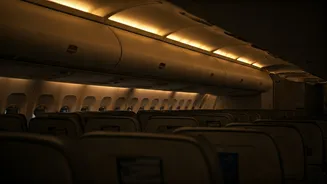
stress and discomfort. This pre-boarding privilege, intended to ease the transition, often results in prolonged periods of waiting once seated. Children, especially babies, can become restless and agitated while stationary for extended durations before take-off, potentially escalating into a stressful situation for both the parents and fellow passengers. This approach, though standard, is being questioned by those who have witnessed its effects firsthand. An ex-flight attendant, drawing from years of observation, suggests a radical departure from this norm, proposing an alternative strategy that prioritizes immediate departure after seating to minimize the child's awareness of the waiting period. This perspective challenges the long-held assumption that boarding early is always beneficial for families.
The 'Board Last' Rationale
The controversial suggestion for families with small children to board last stems from a desire to bypass the anxieties associated with pre-boarding. According to a former flight attendant named Laura, the extended waiting time after families are settled can be particularly detrimental. She observed that children often become increasingly distressed during these long waits, leading to a more chaotic boarding process and an uncomfortable start to the flight. Laura's proposed solution is straightforward: board the aircraft only when it's time for take-off. By doing so, the child spends less time confined to their seat before the plane begins its journey, potentially reducing fussiness. The rationale is that the baby or young child, being less aware of the preceding wait, will be less likely to experience the discomfort and boredom that often accompanies early boarding. This method aims to make the entire boarding experience more streamlined and less taxing for parents.
Audience and Alternatives
The ex-flight attendant's viewpoint resonated widely online, sparking a lively discussion among parents and travel enthusiasts. Numerous comments revealed diverse perspectives and alternative strategies for managing flights with children. One popular suggestion involved a split approach, where one parent boards early to secure overhead bin space and prepare the seating area, while the other boards last with the child to minimize their time spent waiting. Another common sentiment echoed the desire for a more organized boarding process, with some advocating for boarding the rear of the plane first to improve efficiency. Yet, not all agreed; some argued that early boarding remains crucial for parents traveling solo, especially when managing bulky items like strollers and car seats. These varied reactions highlight the complexity of finding a one-size-fits-all solution for family travel by air, underscoring the need for flexibility and personalized strategies.