








Indian OTT, in its initial years, brought an energy that felt disruptive. Internet breaking shows such as Sacred Games and Mirzapur arrived like cultural
shocks, redefining what long-form storytelling could look like in India. Soon after, the likes of Panchayat and Kota Factory presented grounded stories that connected deeply with heartland. Then came Scam 1992, The Family Man, Criminal Justice, Delhi Crime and Farzi, each entertaining and engaging in its own right. For a brief period, there were real conversations about OTT denting theatrical business and changing audience habits forever. That momentum, however, has slowed, with few truly standout shows emerging in recent years. The early OTT boom worked because it felt fearless. Platforms were willing to back stories that mainstream cinema had either ignored or diluted. Creators were given space to experiment with tone, language and pacing, without the pressure of opening-day box office numbers. Audiences, hungry for something new, responded with curiosity and loyalty. There was also novelty on OTT's side; viewers were still discovering the thrill of binge-watching and high-quality writing in the comfort of their homes.
Fall Of Indian OTT
As platforms grew, so did expectations and budgets. Success stories created templates that everyone wanted to replicate. Crime thrillers multiplied, small-town dramas became a genre of their own, and 'inspired by true events' turned into a marketing hook. While production values improved, the sense of surprise began to fade. What once felt fresh slowly became familiar, and familiarity is rarely enough to create a cultural moment.
Another key shift was the change in audience behaviour. Viewers became more selective, juggling multiple platforms and global content. The bar for engagement rose sharply, while patience dropped. Shows were no longer judged only against Indian peers but against international series releasing the same week. In that crowded landscape, merely being good was no longer sufficient; a show had to feel urgent, distinctive and conversation-worthy to truly stand out.
Overdose Of Sequels
Sequels were once a sign of success, but they have increasingly become a safety net. Platforms prefer returning IPs because they come with built-in awareness and lower marketing risk. However, repeated seasons often struggle to recapture the spark that made the original special. Characters grow stagnant, conflicts feel stretched, and storytelling becomes more functional than inspired.
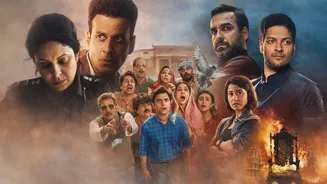
Several popular series including Panchayat, Delhi Crime, Criminal Justice, and Mismatched have extended beyond their natural shelf life. Instead of concluding with impact, they continue because the numbers still justify it. This approach keeps subscribers engaged in the short term but rarely creates the excitement of a new discovery. The emotional investment of viewers turns into routine consumption rather than anticipation.
The dominance of sequels also reduces space for new voices. Fresh creators find it harder to break through when platform slates are crowded with follow-ups. Over time, this creates an ecosystem where familiarity is rewarded more than originality, directly affecting the emergence of standout shows.
Similar Themes
One of the most common criticisms of Indian OTT today is thematic repetition. Multiple shows such as Mirzapur, Pataal Lok, Asur, Undekhi, Aarya, and Kohrra revolved around the themes of crime, corruption, politics, and dysfunctional families dominate the landscape. While these themes are not inherently flawed, their overuse has made many shows look like each other. Distinctive premises often give way to predictable arcs and familiar character types.
Early OTT successes felt specific and personal. A small detail or cultural insight made them memorable. In contrast, many recent shows aim for scale rather than specificity, resulting in stories that feel designed by committee. Risk-averse writing leads to safe choices, avoiding extremes that might alienate certain audience segments.
This sameness is also linked to data-driven decision-making. Algorithms highlight what works, but creativity thrives on intuition and risk. When data dictates content too rigidly, it limits experimentation. The result is technically polished shows that rarely spark strong emotional or cultural reactions.
Global Competition
Indian OTT no longer operates in isolation. International content is now easily accessible, often releasing simultaneously across markets. Korean dramas like Squid Game and The Glory, European thrillers such as Money Heist and Dark, and American prestige series continue to compete directly for Indian viewers’ attention.. This global exposure has reshaped taste and expectations.
International shows often benefit from tighter seasons, clearer vision and stronger genre commitment. They know when to end and rarely overstay their welcome. Compared to that, some Indian series feel overextended or tonally confused.
Budget alone cannot bridge this gap. While Indian platforms have increased spending, consistency remains an issue. Global competition has made viewers less forgiving of mediocrity. To stand out today, Indian shows must offer something culturally rooted yet universally engaging, a balance that is difficult but necessary.
What Can Be Done To Undo This
The path forward requires recalibrating priorities rather than chasing volume. Platforms need to back fewer shows but with stronger creative conviction. Giving writers time to develop scripts and encouraging limited-series formats can help restore narrative sharpness. Not every success needs to turn into a franchise.
Investing in new creators is equally important. Fresh perspectives often come from outside established circles. Regional stories, unexplored professions, and unconventional genres can reintroduce novelty. Trusting creators to tell specific stories, even if they seem niche, can lead to broader resonance.
Besides, OTT must remember what made it powerful in the first place - freedom. Freedom to take risks, to end stories decisively, and to surprise audiences. Standout shows are rarely manufactured through formulas. They emerge when platforms allow originality to flourish.
Glimmer Of Hope
All is not lost for Indian OTT, and a handful of recent releases have quietly underlined that. Aryan Khan's The Ba***ds Of Bollywood stood out for its willingness to interrogate the industry from within, using satire and sharp character writing instead of familiar crime templates. Black Warrant, meanwhile, showed how a procedural can still feel fresh when rooted in strong research and controlled storytelling. Neither relied on scale or shock value alone; both focused on clarity of intent, reminding viewers that originality still finds space when the writing leads.
More importantly, these shows suggested a shift back towards creator-driven narratives. They did not attempt to chase trends or stretch themselves into franchises prematurely. Instead, they trusted their premise and concluded with purpose. If platforms continue backing such focused storytelling, Indian OTT can still produce standout work. The potential remains intact; it simply needs consistent creative confidence rather than constant course correction.