







What is the story about?
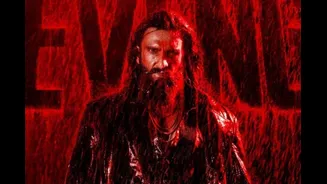
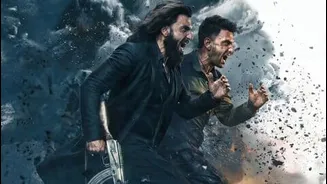
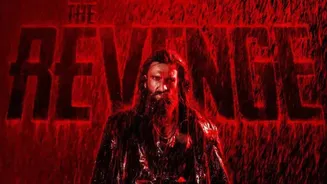
Aditya Dhar’s Dhurandhar 2 or Dhurandhar The Revenge is all set to hit the silver screen on March 19. But before the explosive arrival of Dhurandhar 2,
it is worth revisiting the finer details that made the first film such an event. Dhurandhar was not just a high-octane action spectacle, but it was layered with clever callbacks, hidden clues and blink-and-miss Easter eggs that added to the depth of the narrative. Here are seven that deserve a closer look before the high-octane sequel hits theatres.
Hamza’s Real Identity Connects to a Larger Spy Universe
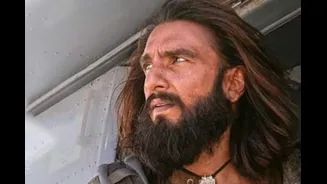
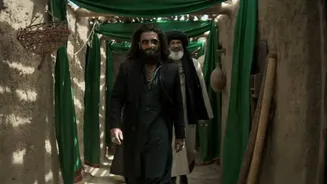
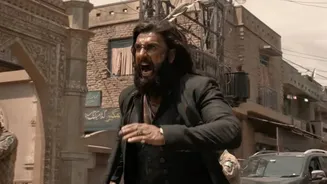
One of the most interesting things is that Ranveer Singh’s character Hamza is actually named Jaskirat Singh Rangi. Now, while it might not seem much, it has larger implication. It directly echoes the name Captain Rangi from Uri: The Surgical Strike, which too is an Aditya Dhar directorial. The subtle echoes in name has spurred fans into thinking that maybe both films are a part of the Aditya Dhar Spy Universe, where characters and missions may actually overlap in films. This means that Dhar could very well be positioning Dhurandhar as part of a broader, evolving narrative world.
Dhurandhar Itself Is a Geopolitical Clue
What was more interesting in the first film was how the name Dhurandhar itself was layered with meaning. The film’s title cleverly refers to the Durand Line – the historically contentious line between Pakistan and Afghanistan. What this did effectively for the film was ground it in reality by mixing fictional espionage with real-world geopolitical tensions, and showing that the stakes extend far beyond individual missions into the realm of international conflict and territorial disputes.
The Washma Butt Biryani Shop – A Meme Culture Nod
In a blink-and-miss moment, a small biryani shop named Washma Butt can be seen in the film. While it may seem just like a background detail, what Dhar very possibly did was make it a cheeky nod to internet meme culture. The name functions almost like an inside joke - an unexpected, meta layer that breaks the intensity of the narrative while simultaneously acknowledging the digital audience that engages with such films beyond the theatre.
Ajay Sanyal Mirrors Real-Life Strategy Icons
The calculating NSA Chief Ajay Sanyal, played by R Madhavan, is widely believed to be inspired by Ajit Doval. From his calm demeanour to his preference for strategic patience over impulsive action, Sanyal reflects traits commonly associated with Doval. This grounding in reality lends authenticity to the film’s depiction of national security operations, making its high-stakes decisions feel believable.
The Mystery of ‘Bade Sahab’
Perhaps one of the most fascinating narrative devices in Dhurandhar is the unseen figure known only as Bade Sahab. He is never shown on screen, yet commands absolute authority through dialogue and implication. Fans have interpreted this in multiple ways. Some see him as a symbolic representation of invisible power structures that govern covert operations. Others speculate he could be linked to real-world figures like Dawood Ibrahim, adding a layer of intrigue and conspiracy to the narrative. By not revealing him in the first film, it amplifies his mystique - proving that sometimes, what you don’t show is more powerful than what you do.
Khanani’s Real-World Inspiration
The character Khanani (played by Mushtaq Naika) is not purely fictional, but rather draws inspiration from Javed Khanani, a real-life figure associated with hawala networks and counterfeit currency operations. This connection reinforces Dhurandhar’s commitment to blending fiction with reality. By rooting antagonists in real-world archetypes, the film elevates its stakes and adds credibility to its portrayal of transnational crime and terror financing.
Historical Anchors and the Butterfly Effect
One of the major Easter eggs in Dhurandhar is the way it uses real life historical events like the IC814 Hijacking and the 2011 Indian Parliament Attack to strengthen its narrative device. The reference not only anchor the otherwise fictional narrative in documented reality, but also make the story feel immediate and relevant. Furthermore, Chapter 7 of Dhurandhar introduces the ‘Butterfly Effect’. This is an apparent small incident that mushrooms into a major geopolitical shift.
Dhurandhar is a stand out film not just for its scale or spectacle, but the density of its storytelling. Each Easter egg, whether rooted in reality, pop culture, or cinematic continuity, added layers of intrigue to the narrative tapestry. As Dhurandhar 2 approaches, these details may not just be clever callbacks, but rather crucial clues to where the story is headed next.