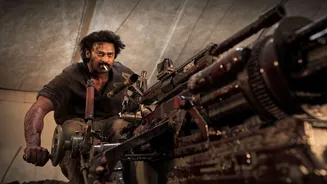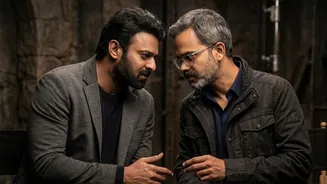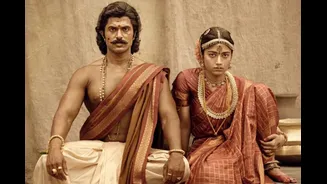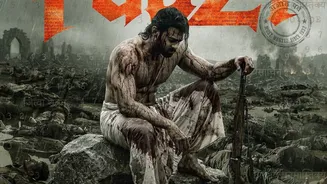






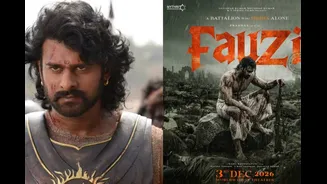
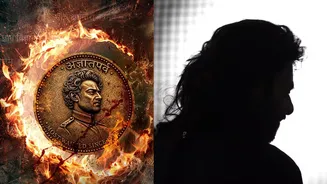
Prabhas’ upcoming period war-action film Fauzi has landed in controversy after Netaji Subhas Chandra Bose’s grandnephew, Chandra Kumar Bose, objected to
its alleged portrayal of the freedom fighter’s meeting with Nazi leader Adolf Hitler. Calling the depiction a distortion of historical facts, Chandra Kumar Bose has demanded an apology from the film’s director, Hanu Raghavapudi, for allegedly misrepresenting an important chapter of India’s freedom struggle. Speaking to IANS, Chandra Kumar Bose said Fauzi filmmakers enjoy creative freedom when telling stories about India’s history and its freedom fighters. However, he stressed that such liberty should not come at the cost of historical accuracy, particularly when dealing with figures of national importance. “Distorting facts and resorting to fiction while dealing with national icons is, I think, a crime,” he said, alleging that the film’s portrayal of Netaji’s interaction with Hitler presents a misleading picture and diminishes the stature of the legendary freedom fighter.
Why Did Netaji Subhas Chandra Bose Meet Adolf Hitler?
Explaining the historical context behind the meeting, Chandra Kumar Bose maintained that Netaji approached Hitler with a clear objective: securing support for India's independence from British rule. He said Netaji recognised that Germany under Hitler and Japan under Hideki Tojo could provide assistance to the Indian freedom movement at that particular juncture. However, he emphasised that seeking such support did not mean Netaji endorsed fascism or surrendered his principles.
According to Chandra Kumar Bose, Netaji met Hitler as an equal and maintained his independent position throughout their interaction. He also claimed that Hitler recognised Netaji’s commitment to India's independence and agreed to extend assistance, including arranging the submarine journey that eventually took him to Southeast Asia.
Chandra Kumar Bose On Hitler’s Views About India
Chandra Kumar Bose also pointed to Hitler’s views on India, as expressed in his book Mein Kampf, arguing that the Nazi leader demonstrated a limited understanding of the country’s history, heritage and culture. He noted that although both leaders were initially pursuing their respective national objectives, Hitler subsequently became a megalomaniac. Chandra Kumar Bose reiterated that Netaji’s engagement with Germany was driven by the larger goal of liberating India from colonial rule.
Fauzi Trailer Faces Criticism Over Netaji’s Portrayal
The controversy surrounding Fauzi stems from its trailer, which has drawn criticism over a sequence allegedly showing Netaji introducing Prabhas’ character to Hitler. Critics have questioned whether the scene places the fictional protagonist in a position that could overshadow Netaji’s historical significance.
Chandra Kumar Bose accused the filmmaker of sensationalising the meeting rather than presenting its historical context accurately. He insisted that Netaji’s extraordinary personality and contribution to the freedom struggle must be portrayed with dignity. Demanding accountability from the filmmaker, he said the director should apologise to the people of India and everyone who values the country's independence movement.
Written and directed by Hanu Raghavapudi, Fauzi is an upcoming period war-action film starring Prabhas.