




Bollywood’s obsession with the 'Angry Young Man' and alpha heroes continues even in 2026. Mainstream cinema, especially in the post-pandemic era, has once
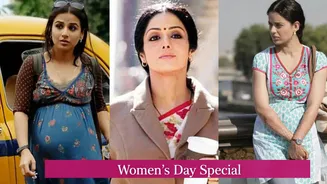
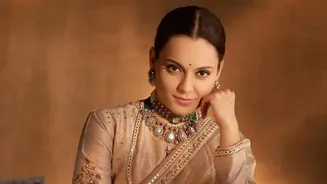
againpushed women in stories to the sidelines. However, the 2010s and the pre-COVID period saw several actresses challenge this narrative. With strong scripts and even stronger performances, these leading ladies drew audiences to theatres. They proved that women, too, can be at the heart of blockbusters. Through bold choices and memorable performances, these stars not only carried films on their shoulders but also changed the way female characters are written in Hindi cinema. On Women’s Day, we celebrate the actresses who transformed the face of women-led films. If there is one actress widely credited with bringing women-centric films back into the mainstream, it is Vidya Balan. With films like The Dirty Picture, Kahaani and Tumhari Sulu, she proved that a female lead could command audiences’ hearts and the box office just as strongly as any male superstar. Her characters were flawed, bold and unapologetically real, paving the way for more women-led narratives in Bollywood. Even when she appeared in more commercial films, her roles were far more than just eye candy or the hero’s better half. She was a force in Paa, delivered a memorable performance in Parineeta and won hearts with Lage Raho Munna Bhai. Kangana Ranaut is truly the ‘Queen’ of this special genre. Kangana Ranaut carved a space for unconventional female protagonists in mainstream cinema and how! When she told the story of a woman rediscovering herself after heartbreak in Queen, it resonated with audiences across the country. Later, films like Tanu Weds Manu and its sequel further cemented her position as a performer capable of carrying strong, character-driven films. With Simran, Revolver Rani and Dhaakad, she experimented with diverse roles. Despite not minting much at the box office, these choices added to her varied filmography. And she didn’t stop there. In Thalaivii, she impressed as former Tamil Nadu Chief Minister J Jayalalithaa, and in Emergency, she stepped into the role of former Prime Minister Indira Gandhi. While the films received mixed reviews, her performances were widely appreciated. Rani Mukerji has consistently portrayed strong and layered female characters throughout her career. From her deeply moving performance as a determined student in Black to the fearless and sharp cop Shivani Shivaji Roy in the Mardaani films, she brought both emotional depth and fierce conviction to women-led narratives. Her characters are often driven, flawed and resilient, making them feel real and relatable. With films like No One Killed Jessica as well, Rani showed that mainstream cinema can successfully centre powerful stories around women while still keeping audiences engaged and invested. Decades after stepping aside from the showbiz, Sridevi reminded audiences of her unmatched screen presence with her remarkable comeback film English Vinglish. The story of a quiet homemaker who slowly discovers her self-worth and confidence resonated deeply with viewers across generations. Her understated yet powerful performance turned the film into an emotional and inspiring journey of self-discovery. She followed it with Mom, where she played a determined mother seeking justice. It was a gripping performance that combined vulnerability with strength. Through these films, Sridevi proved that strong female narratives can be both emotionally moving and thrilling. Over the past decade, Taapsee Pannu has steadily carved a space for herself as one of Bollywood’s strongest voices in women-driven cinema. With films like Pink, where the powerful line 'No means no' became a cultural moment, and Thappad, which questioned the normalisation of domestic violence, Taapsee chose stories that sparked conversation. She continued pushing boundaries with physically and emotionally demanding roles in Rashmi Rocket and other female-led narratives. By consistently backing strong scripts and complex characters, Taapsee has helped strengthen the space for meaningful women-centric storytelling in mainstream Hindi cinema. Bollywood has come a long way and these actresses have played a crucial role in that transformation. By choosing bold scripts and portraying complex characters, they helped shift the industry’s focus toward stronger female narratives. Today, their legacy continues to inspire a new generation of storytellers and actresses.