






What's Happening?
Heartworm disease, traditionally seen as a problem in warmer states, is now being diagnosed across all 50 U.S. states. The American Heartworm Society reports significant increases in heartworm cases in the Midwest, Northeast, and West Coast. Dr. Sandra
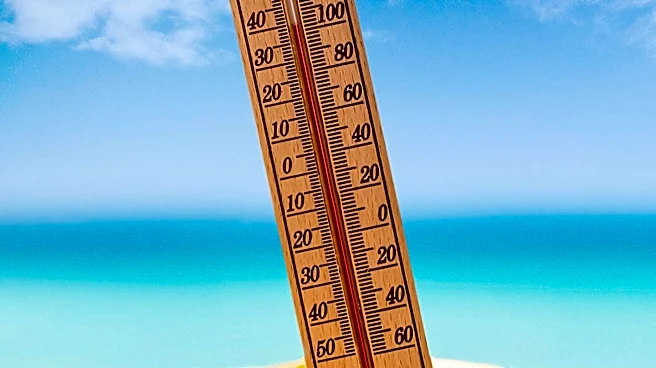
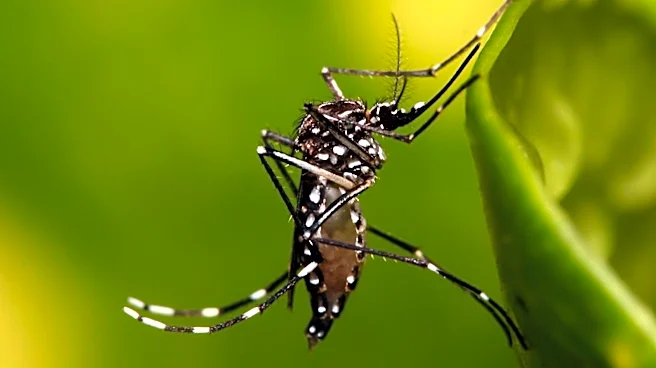
Faeh, a small animal veterinarian, attributes the spread to environmental changes and the movement of infected animals. Warmer temperatures and longer mosquito seasons are facilitating the spread of heartworm larvae, which are transmitted by mosquitoes. The disease can cause severe health issues in pets, including lung disease and heart damage.
Why It's Important?
The spread of heartworm disease to new regions highlights the impact of climate change on public health and animal welfare. Pet owners in areas previously considered low-risk must now be vigilant about heartworm prevention. The disease poses significant health risks to pets, and treatment is complex and costly. The situation underscores the need for increased awareness and preventive measures among pet owners and veterinarians. It also reflects broader environmental shifts that are altering the distribution of vector-borne diseases.
What's Next?
Veterinarians recommend year-round heartworm prevention for pets in all states. Regular testing and preventive medication are crucial to protect pets from infection. As the disease continues to spread, public health campaigns may be necessary to educate pet owners about the risks and prevention strategies. The veterinary community may also need to adapt its practices to address the changing epidemiology of heartworm disease.