






What's Happening?
Full Sail University and Echelon Fit have entered the next phase of their partnership, updating the Full Sail University Fitness Technology Lab Powered by Echelon Fit. This collaboration provides students with opportunities to work on real-world technology
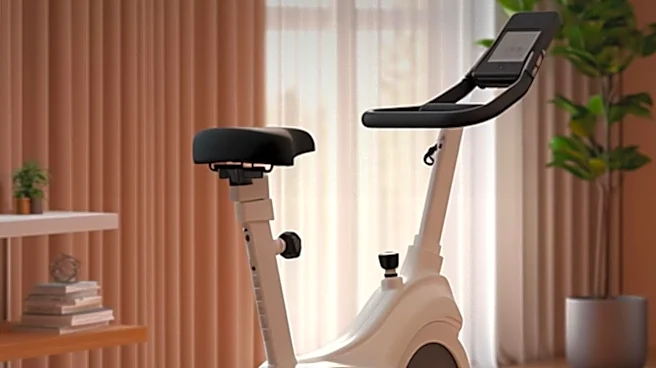
projects for the global fitness brand. The redesigned lab features updated equipment, including Echelon's smart bikes, treadmills, rowing machines, smart fitness mirrors, and strength systems. A key focus of this expanded partnership is the integration of emerging technologies, particularly artificial intelligence. Echelon has developed its own AWS Generative AI, allowing students to explore APIs, metadata, AI agents, and how these advanced technologies can be incorporated into consumer products. Students in the lab work alongside Echelon professionals, engaging in processes such as quality assurance, code reviews, and collaborative development, mirroring industry practices. This hands-on experience aims to build a pipeline from the classroom to the workforce, with Echelon having already hired several Full Sail graduates.
Why It's Important?
This expanded partnership is significant for several reasons. It provides Full Sail University students with invaluable real-world experience, bridging the gap between academic learning and industry demands. By working on live projects for a global brand like Echelon Fit, students gain practical skills in emerging technologies, particularly AI, which are highly sought after in the tech industry. This collaboration also serves as a model for how educational institutions can partner with corporations to create relevant, career-focused curricula and talent pipelines. For Echelon Fit, it offers access to a pool of skilled and pre-trained talent, reducing recruitment and onboarding costs. The integration of AI into fitness technology signifies a broader trend in the consumer electronics and health sectors, where personalized and intelligent user experiences are becoming standard. This initiative helps prepare the next generation of innovators to drive these advancements, impacting the future of connected fitness and AI applications in consumer products.
What's Next?
As the partnership progresses, Full Sail and Echelon plan to involve students from a wider range of disciplines beyond emerging technology, including user experience, marketing, content production, and fitness programming. This expansion will create more diverse opportunities for students across the university. The continued development of Echelon's AWS Generative AI will likely lead to more sophisticated AI-driven features in their fitness products, with Full Sail students contributing to these innovations. The success of this model could encourage other universities and technology companies to form similar partnerships, fostering a more integrated approach to education and industry development. Graduates from this program will be well-positioned for careers in the rapidly evolving fields of AI, fitness technology, and product development, potentially shaping future consumer experiences in health and wellness. The lab will continue to serve as a hub for innovation, where academic theory meets practical application in a dynamic industry setting.
Beyond the Headlines
This collaboration highlights a deeper trend in higher education: the shift towards experiential learning and direct industry integration. It moves beyond traditional internships by embedding students directly into a company's product development cycle, offering a more immersive and impactful learning experience. Ethically, such partnerships raise questions about the balance between academic freedom and corporate influence on curriculum, though in this case, the focus appears to be on mutual benefit and skill development. Culturally, it reflects the increasing demand for interdisciplinary skills, where technology students also understand product design, user experience, and market needs. The integration of AI into fitness technology also touches on broader societal implications, such as data privacy, algorithmic bias in personalized health recommendations, and the potential for AI to enhance or detract from human well-being. This partnership is a microcosm of how future workforces will be trained and how technology will continue to reshape daily life, from education to personal health.