






What's Happening?
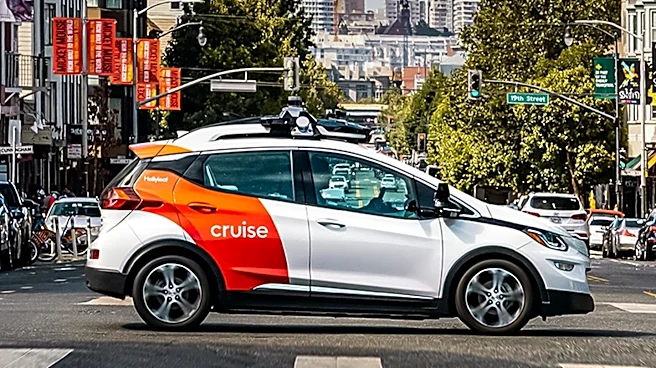
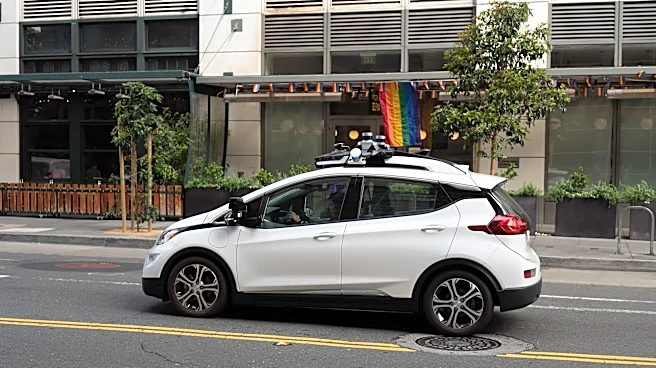
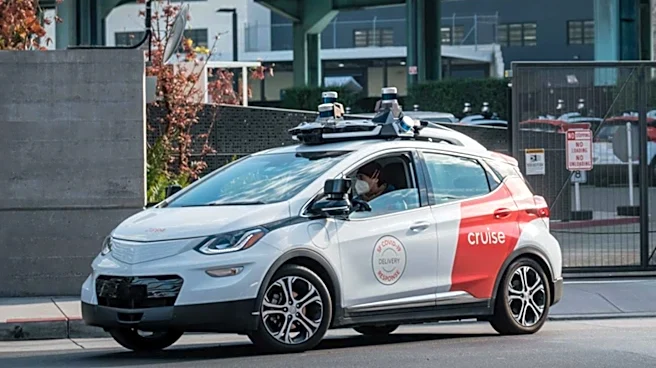
The National Highway Traffic Safety Administration (NHTSA) has proposed eliminating the requirement for manual brake pedals in self-driving vehicles. This proposal is part of a broader effort to facilitate the deployment of autonomous vehicles on U.S.
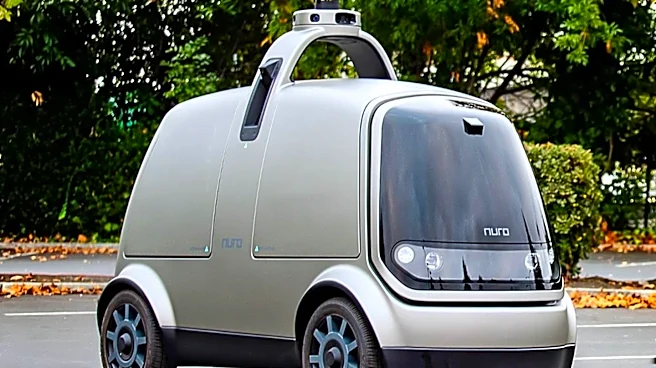
roads. While the proposal would not apply to vehicles with human driver controls, it aims to ease the introduction of vehicles managed entirely by automated systems. The NHTSA has been working on developing safety performance tests for self-driving vehicles, and this proposal is one of several changes intended to support the rollout of such vehicles. Automakers have expressed frustration with the slow pace of regulatory reviews, and this move is seen as a way to address those concerns and promote innovation in the industry.
Why It's Important?
The proposed change is significant for the autonomous vehicle industry as it could remove a major regulatory hurdle, allowing for faster deployment of self-driving cars. This could lead to increased investment and innovation in the sector, as companies would have more freedom to develop and test new technologies. The proposal also highlights the NHTSA's commitment to adapting its regulatory framework to keep pace with technological advancements. By streamlining the approval process for autonomous vehicles, the agency aims to maintain the U.S.'s competitive edge in the global race to develop and deploy self-driving technology.
What's Next?
The NHTSA is seeking public comment on the proposal, and a final decision will be made after the feedback period. If the proposal is approved, it could lead to a significant increase in the number of autonomous vehicles on U.S. roads. Automakers like Tesla and Zoox, which have been at the forefront of developing self-driving technology, are likely to benefit from the regulatory change. The NHTSA will continue to work on safety performance tests to ensure that autonomous vehicles meet strict safety standards, even as traditional controls are phased out.