
What's Happening?
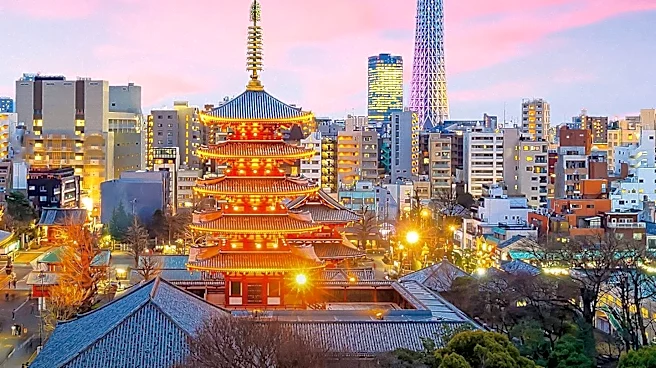
Tokyo, Japan, presents a diverse range of attractions that combine modern experiences with traditional cultural sites. Visitors can explore historical landmarks such as Asakusa and the Meiji Jingu Temple,
while also enjoying contemporary areas like Akihabara, known for its digital art and vibrant atmosphere. The city is characterized by distinct districts, each offering unique characteristics, and is supported by an efficient public transportation system. Upcoming special events include Cinnamoroll Park at Tokyo Dome City in 2026. During the New Year period, from January 1-3, many independent businesses, small shops, and some museums close, while major theme parks, aquariums, department stores, and chain restaurants remain open. This period is marked by traditional activities like 'Hatsumode,' the first shrine or temple visit of the year, and the exchange of 'otoshidama' (money envelopes) for children. Theme parks like Tokyo Disneyland and DisneySea, Universal Studios Japan, and teamLab Planets are operational but experience peak crowds, necessitating advance ticket purchases.
Why It's Important?
Tokyo's ability to seamlessly integrate its rich historical heritage with cutting-edge modernity makes it a significant global destination for tourism and cultural exchange. The city's diverse offerings cater to a wide range of interests, from historical exploration to contemporary entertainment, contributing to its appeal as a major international hub. The detailed information regarding New Year's closures and open attractions is crucial for visitors, particularly families, to plan their trips effectively and avoid disruptions. Understanding these operational nuances ensures that tourists can fully engage with Japanese traditions, such as Hatsumode, and enjoy popular attractions during peak holiday seasons. This balance between preserving cultural practices and embracing modern tourism infrastructure highlights Tokyo's unique position in the global travel market.
What's Next?
Visitors planning trips to Tokyo, especially during the New Year period, should continue to monitor official websites for updated hours and event details, as attractions confirm their schedules a few weeks in advance. For those traveling during the New Year, it is advisable to book transportation, such as Shinkansen seats, early due to peak travel demand. Carrying cash is also recommended, as many traditional stalls and smaller shops operate on a cash-only basis. Families with children should consider visiting less crowded shrines for Hatsumode or going early in the morning to avoid large crowds. The upcoming Cinnamoroll Park in 2026 indicates a continued investment in new attractions, suggesting Tokyo will maintain its dynamic appeal for future tourists.
Beyond the Headlines
The contrast between Tokyo's bustling modern districts and its serene historical sites reflects a broader cultural dynamic in Japan, where tradition and innovation coexist. The New Year holiday, with its specific closures and open attractions, underscores the importance of family and cultural rituals in Japanese society, even amidst a highly commercialized and technologically advanced environment. The practice of 'otoshidama' and the consumption of 'osechi' (New Year's feast) highlight deeply ingrained customs that reinforce social bonds and cultural identity. The emphasis on planning and preparedness for visitors, particularly regarding cash and medical care, points to a societal value placed on order and foresight. This blend of ancient customs and modern efficiency offers a unique lens through which to understand Japanese societal values and their impact on daily life and tourism.