



What's Happening?
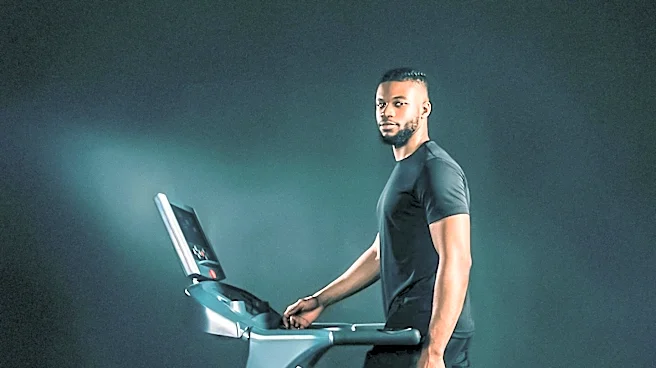
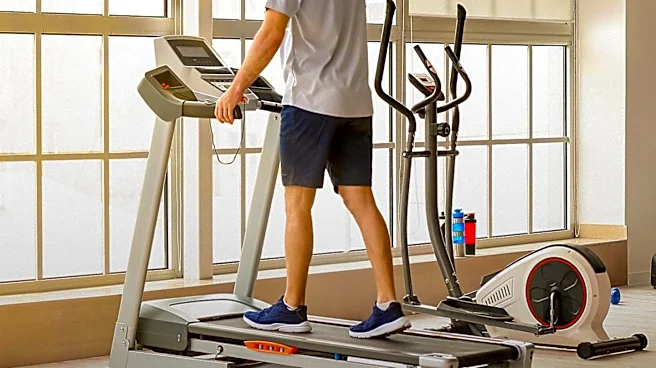
Ty Taylor, a home fitness expert, has provided insights into the practice of walking backward on a treadmill, also known as retro walking. Taylor emphasizes that while this exercise can challenge coordination and leg muscles in a different way, current
research does not establish it as a mandatory exercise for everyone. The expert highlights that much of the existing research on backward walking is focused on rehabilitation settings, meaning its benefits may not directly apply to healthy adults. Taylor stresses the importance of safety, advising users to check their treadmill manual, ensure proper supervision for beginners, and stop immediately if they feel unsteady or uncomfortable. The article suggests that for a simple home routine, forward walking remains a more straightforward and safer starting point, especially for those new to exercise or whose treadmills lack handrails.
Why It's Important?
This information is crucial for U.S. consumers engaging in home fitness, particularly given the increasing popularity of treadmills and at-home workouts. Ty Taylor's expert advice helps to temper potentially exaggerated claims about the benefits of retro walking, providing a balanced perspective rooted in current research limitations. By prioritizing safety and recommending caution, Taylor helps prevent injuries and promotes responsible exercise practices. This is particularly significant in an era where fitness trends can spread rapidly through social media, sometimes without adequate consideration for safety or scientific backing. The guidance empowers individuals to make informed decisions about their workout routines, ensuring that their pursuit of fitness is both effective and safe.
What's Next?
As home fitness continues to evolve, there will likely be ongoing discussions and research into various exercise modalities, including variations like backward walking. Consumers can expect to see more experts like Ty Taylor providing evidence-based guidance to navigate the myriad of fitness trends. Manufacturers of home fitness equipment may also integrate more safety features and clearer instructions for advanced or unconventional exercises. Educational resources, both online and offline, will likely expand to offer comprehensive advice on safe and effective workout practices, tailored to different fitness levels and equipment types. The emphasis will remain on balancing innovative exercise techniques with practical safety considerations.
Beyond the Headlines
The discussion around backward treadmill walking touches upon broader themes of information literacy and critical thinking in the context of health and wellness. In an age of abundant online content, distinguishing between scientifically supported practices and anecdotal trends is vital. Ty Taylor's approach encourages individuals to question fitness fads and seek credible sources, fostering a more discerning public. This also highlights the ethical responsibility of fitness experts and content creators to provide accurate, safety-conscious information. The focus on rehabilitation research for backward walking underscores the specialized nature of some exercises and the importance of professional guidance, particularly for individuals with specific health conditions or recovery needs, moving beyond a one-size-fits-all approach to fitness.