

What's Happening?
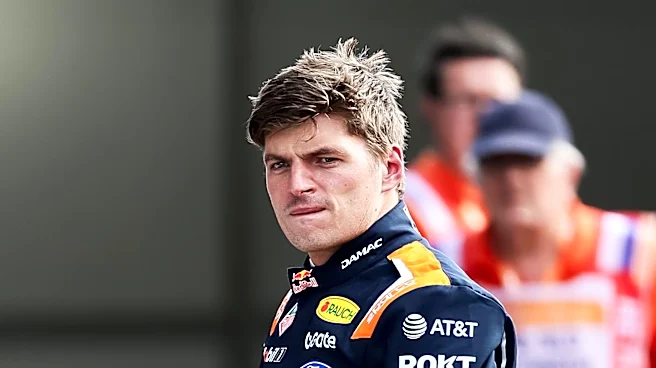
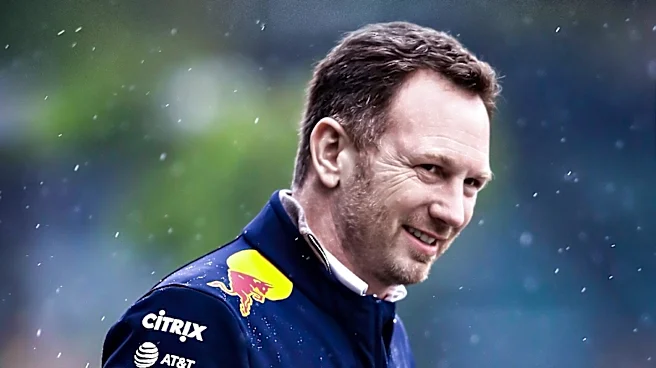
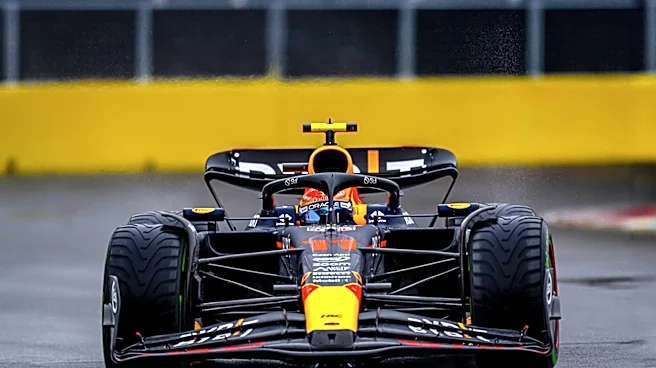
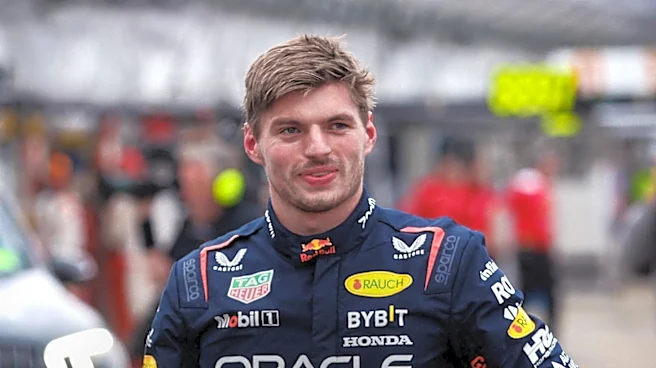
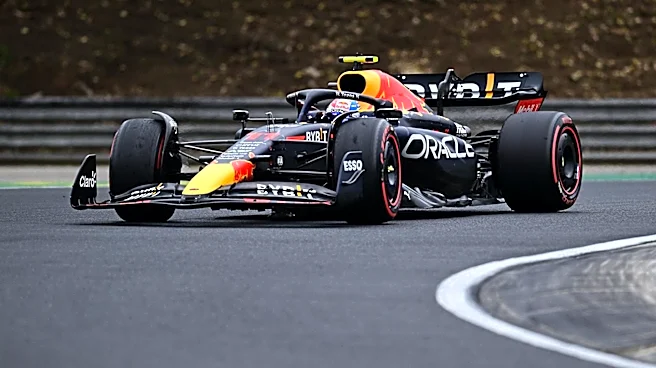
Christian Horner, former Red Bull team principal, revealed that the development of Red Bull's 2022 Formula 1 car, initially designed by Alex Albon to suit a more classic driving style akin to Sergio Perez's, was later redirected to meet Max Verstappen's
specific demands. According to Horner, Verstappen's management intervened around the Azerbaijan Grand Prix in 2022, asserting that the car needed to be tailored to Verstappen's preferences. This shift occurred despite Perez's strong start to the 2022 season, where he was much closer to Verstappen in performance. Horner explained that Verstappen's driving style is 'abnormal,' requiring more front-end grip and the ability to cope with rear instability, which naturally led the engineering department to focus on creating a car with these characteristics. This development strategy has historically made it challenging for other drivers to adapt to the Red Bull car, as seen with previous teammates like Pierre Gasly and Albon himself.
Why It's Important?
This revelation highlights the significant influence top drivers like Max Verstappen can wield within Formula 1 teams, potentially shaping car development to their specific needs. For Red Bull, prioritizing Verstappen's preferences has been a successful strategy, leading to multiple drivers' and constructors' championships. However, it also creates a challenging environment for his teammates, who must adapt to a car not inherently suited to their driving style. This dynamic can impact driver performance, team cohesion, and the overall competitive balance within the team. For other teams, understanding Red Bull's approach could inform their own strategies for driver development and car design, especially when cultivating a lead driver. The 'Alex Albon precedent,' where Albon was demoted to a reserve role and later moved to Williams while Red Bull retained future options, illustrates the contractual complexities and career implications for drivers in such a system.
What's Next?
The ongoing impact of this development philosophy will likely continue to shape Red Bull's driver lineup and car design in future seasons. Any driver partnering with Verstappen will face the challenge of adapting to a car optimized for his unique driving style. This could lead to continued scrutiny of the second Red Bull seat, with drivers like Liam Lawson potentially facing similar contractual affiliations and development challenges. The team's success with this strategy suggests it will likely persist, reinforcing Verstappen's central role in Red Bull's F1 program. Future car developments will likely continue to prioritize his feedback, potentially widening the performance gap between him and his teammates, unless a driver emerges who can equally master the car's specific characteristics.
Beyond the Headlines
The situation at Red Bull raises broader questions about the balance between individual driver talent and team-centric car development in Formula 1. While optimizing a car for a star driver can yield championship success, it can also create a hierarchical structure that limits the potential of other talented drivers. This dynamic can influence driver market decisions, as teams weigh the benefits of a dominant lead driver against the need for a strong, adaptable second driver. The 'affiliation' clauses, as seen with Albon and potentially Lawson, also highlight the intricate contractual relationships in F1, where teams can retain control over drivers even after they move to other outfits. This can affect a driver's long-term career trajectory and their ability to freely pursue opportunities with other teams, underscoring the complex interplay of talent, strategy, and business in elite motorsport.