





What's Happening?
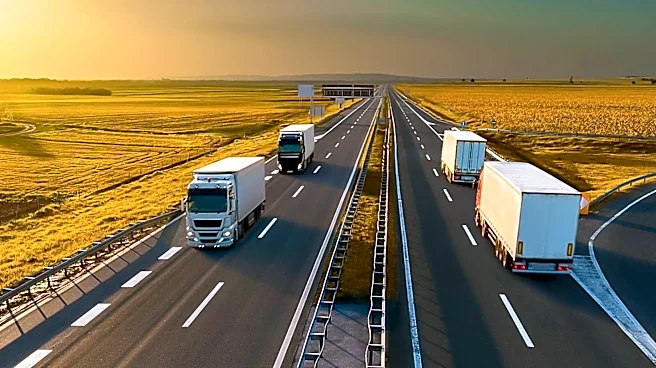
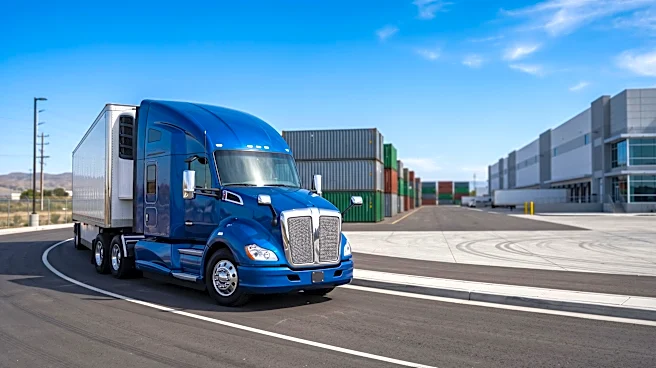
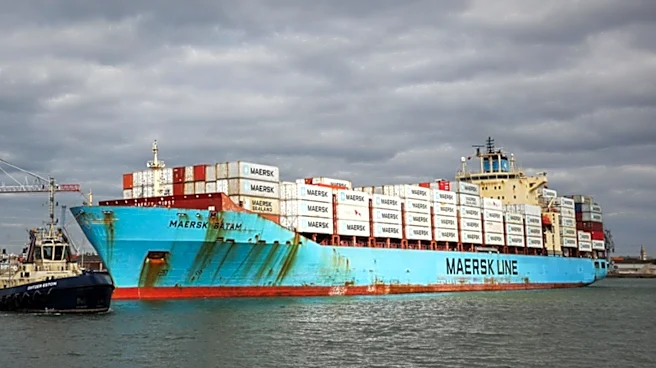
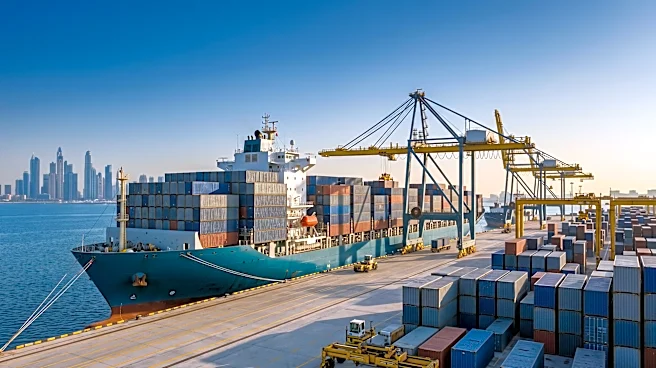
U.S. importers are facing increasing challenges in the handoff of freight from ports to inland distribution centers, leading to delays, reduced visibility, and accumulating costs. Traditional supply chain models often involve fragmented paths where containers
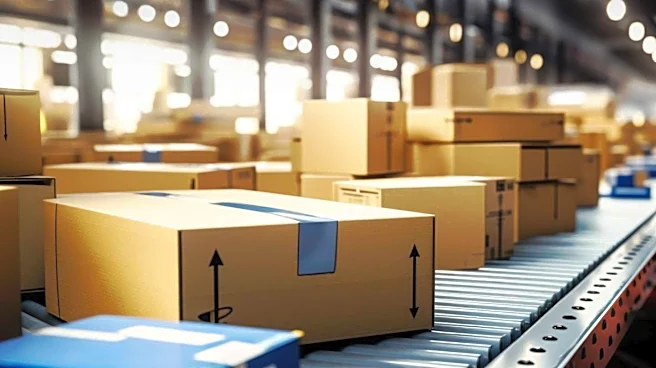
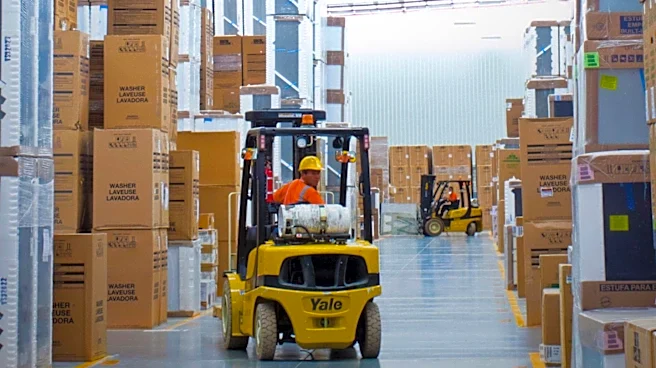
are transloaded near ports, moved to separate inland warehouses, and then routed through regional distribution networks. Each step frequently involves different providers, systems, and priorities, creating disconnects that increase dwell time, handling, and the likelihood of disruptions. These inefficiencies are becoming more pronounced as port volumes grow and supply chains become more dynamic. Integrated logistics facilities are emerging as a solution by consolidating multiple supply chain functions into a single location, allowing freight to be received, sorted, stored, and redirected within the same campus. This approach aims to reduce handoffs and enable real-time decisions regarding storage, handling, and transportation, closer to the freight itself.
Why It's Important?
The adoption of integrated logistics facilities holds significant importance for the U.S. economy and its businesses, particularly importers. By streamlining the movement of goods from ports to their final destinations, these facilities can mitigate the substantial costs associated with delays and inefficiencies in the supply chain. Reduced dwell times and handling minimize expenses such as demurrage and damage risk, directly impacting the profitability of businesses. Furthermore, improved visibility and data alignment across functions support faster decision-making and more accurate planning, which is crucial for maintaining competitive advantage in a dynamic market. The ability to adapt quickly to volume spikes or disruptions without introducing additional delays enhances supply chain resilience, a critical factor for U.S. companies reliant on timely imports. This shift can lead to a more balanced relationship between service quality and operational costs, ultimately benefiting consumers through potentially lower prices and more consistent product availability.
What's Next?
Shippers are encouraged to evaluate their current supply chain operations by mapping out each handoff to identify areas of delay, visibility gaps, or inefficiencies. This assessment will help determine where an integrated environment could offer significant improvements. The trend towards consolidation of logistics functions is expected to continue as businesses seek greater speed, flexibility, and resilience in their supply chains. While integrated facilities are not a universal solution, their effectiveness will depend on how well they align with a shipper’s specific operating model and how freight moves within their network. Future developments will likely involve further technological integration within these facilities to enhance data sharing and automation, potentially leading to even greater efficiencies and cost savings for U.S. importers. The focus will remain on designing logistics solutions that are intentionally tailored to freight movement rather than applying standardized models.
Beyond the Headlines
The move towards integrated logistics facilities reflects a broader strategic re-evaluation within the U.S. supply chain sector, driven by the increasing complexity and volatility of global trade. Beyond the immediate operational benefits, this trend signifies a shift towards a more holistic and data-driven approach to logistics management. It highlights the recognition that the 'last mile' or, in this case, the 'first mile' from port to distribution, is often the most critical and costly segment of the supply chain. The emphasis on reducing handoffs and improving coordination underscores a systemic effort to build more robust and adaptable supply chains capable of withstanding unforeseen disruptions, such as those experienced during recent global events. This evolution could also foster greater collaboration between various logistics partners, leading to more innovative solutions and a more interconnected logistics ecosystem across the U.S.