






What's Happening?
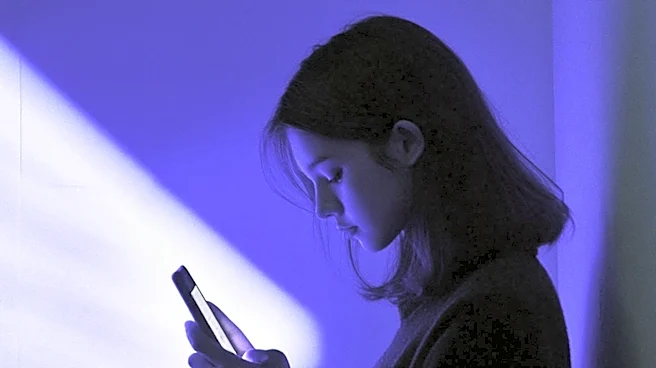
A new phenomenon of 'loneliness influencers' is gaining traction on social media platforms like TikTok and Instagram, where creators, predominantly women, document and embrace living life alone. Sarah-Jane Hoadley, a professional cleaner from Windsor,
England, with 500,000 followers across platforms, is a prominent example, sharing her daily life and finding peace in solitude. These influencers often showcase mundane moments, such as making coffee or snuggling with a cat, to illustrate their contentment with a solitary lifestyle. While some social media users view this content as promoting self-love and peace, critics, including psychotherapists like Phil Lane from Pennington, New Jersey, argue that it romanticizes isolation. They express concern that this trend could encourage hyper-independence, particularly among younger generations like Gen Z, who are often labeled the 'loneliest generation,' at a time when the World Health Organization has identified loneliness as a global health priority.
Why It's Important?
The emergence of 'loneliness influencers' highlights a complex societal discussion about solitude, mental health, and the impact of social media. On one hand, these creators may help destigmatize being alone and offer a sense of community for those who feel similarly. Dr. Lauren Cook, a clinical psychologist in San Marino, California, suggests that the content's impact depends on whether it stems from a desire for peace and restoration or from avoidance and fear of vulnerability. On the other hand, the romanticization of isolation could inadvertently discourage social connection, which is crucial for well-being. Research indicates that chronic loneliness can significantly affect both mental and physical health, with studies showing a higher risk of early death for socially isolated or lonely individuals. This trend forces a re-evaluation of how society perceives and discusses loneliness, especially in the digital age where online communities can both alleviate and exacerbate feelings of isolation.
What's Next?
The debate surrounding 'loneliness influencers' is likely to continue as more creators embrace this niche and their content reaches wider audiences. Experts like Phil Lane suggest that these influencers, particularly those popular with younger generations, should consider the potential negative implications of their content and promote a more balanced view of solitude and social connection. The discussion will likely evolve to explore the nuances between healthy solitude and chronic loneliness, emphasizing the importance of aligning one's lifestyle with personal values while also seeking meaningful social interactions. Mental health professionals and social media platforms may need to address how such content is consumed and interpreted, potentially by offering resources or promoting content that encourages healthy social engagement alongside self-care and personal reflection. The long-term impact on Gen Z's social development and mental health will be a key area of observation.
Beyond the Headlines
The 'loneliness influencer' phenomenon delves into deeper psychological and cultural shifts regarding individualism and community in modern society. It challenges traditional notions that equate happiness solely with extensive social networks, suggesting a growing acceptance, or even celebration, of self-sufficiency. For some creators, like Sarah-Jane Hoadley, embracing solitude was a path to reclaiming agency after difficult life experiences, such as domestic abuse, transforming a period of isolation into one of empowerment. This perspective highlights the therapeutic potential of solitude when it is a conscious choice rather than an imposed state. However, the digital nature of this trend also raises questions about the authenticity of online personas and the potential for performative solitude. The paradox of 'loneliness influencers' building online communities around the theme of being alone underscores the human need for connection, even when expressed through unconventional means, and the evolving ways individuals seek validation and understanding in a hyper-connected yet often isolating world.