







What's Happening?
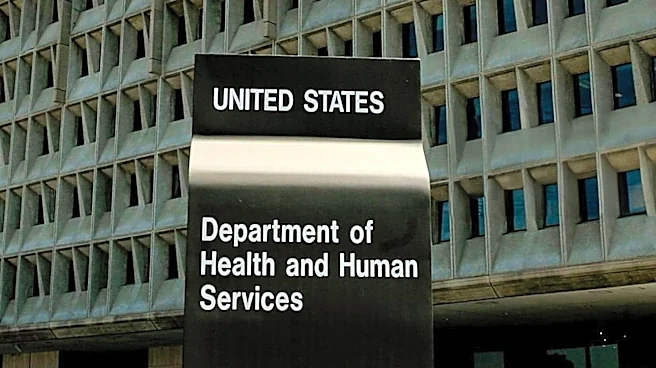
The U.S. Department of Justice (DOJ) and the Department of Health and Human Services Office of Inspector General (HHS-OIG) have introduced a new coordinated framework for healthcare organizations to voluntarily disclose potential criminal fraud. This
policy, effective October 15, 2026, allows qualifying healthcare businesses to utilize benefits from both the DOJ’s Corporate Enforcement and Voluntary Self-Disclosure Policy (CEP) and HHS-OIG’s Health Care Fraud Self-Disclosure Protocol (SDP) through a single submission to the DOJ’s Health Care Fraud Section. This initiative aims to streamline the disclosure process, offering healthcare entities a unified path to address misconduct. Companies meeting the DOJ's criteria may avoid criminal prosecution and achieve favorable administrative resolutions. The policy also provides protections regarding identified Medicare and Medicaid overpayments, including the suspension of certain reporting and repayment obligations, provided regulatory requirements are met. However, these benefits are contingent on timely disclosure before any imminent threat of government discovery or investigation.
Why It's Important?
This coordinated policy is significant for the U.S. healthcare industry as it provides a clearer, more efficient mechanism for organizations to manage potential legal and financial risks associated with healthcare fraud. Healthcare businesses frequently face overlapping criminal, civil, and administrative enforcement actions for issues like improper billing or illegal referral arrangements. A single instance of misconduct can trigger multiple proceedings, threatening a company's financial stability and operations. The new framework offers a direct route to mitigate these risks by allowing companies to address potential violations proactively. By avoiding duplicate submissions and potentially securing declinations of criminal prosecution, reduced financial penalties, and relief from permissive exclusion, healthcare providers can better protect their businesses. This policy encourages transparency and self-correction within the industry, potentially leading to a reduction in prolonged and costly legal battles for both the government and healthcare entities.
What's Next?
Healthcare organizations are now presented with a new strategic consideration for managing compliance and potential misconduct. Companies will need to evaluate internal audit findings, compliance reviews, and employee complaints through the lens of this new coordinated disclosure path. The decision to disclose will involve assessing the nature of the conduct, available evidence, the government's existing knowledge, and the interests of affected individuals. While the policy offers significant corporate protections, it does not automatically extend to individuals involved in misconduct, meaning executives and owners may still face personal liability. Therefore, healthcare businesses, especially physician-owned practices and management companies, will need to carefully navigate these distinctions. Expert legal counsel will be crucial for organizations to evaluate disclosure opportunities, protect their interests, and navigate the complex interplay of criminal, civil, and administrative enforcement proceedings to achieve the most favorable outcomes.
Beyond the Headlines
The new DOJ-HHS-OIG policy reflects a broader governmental effort to encourage corporate self-policing and cooperation in combating healthcare fraud. By offering tangible benefits for voluntary disclosure, the government aims to incentivize companies to identify and report misconduct internally, rather than waiting for external investigations. This approach could lead to a more proactive compliance culture within the healthcare sector, potentially reducing the overall incidence of fraud. However, the policy also highlights the ongoing tension between corporate liability and individual accountability. While a company might secure a declination of prosecution, individuals involved in the misconduct may still face criminal charges, creating complex ethical and legal dilemmas for organizations. This distinction underscores the importance of robust internal investigations and clear policies regarding individual responsibility, as companies must disclose facts about individuals to receive full cooperation credit. The long-term impact could be a shift towards more rigorous internal compliance programs and increased scrutiny of individual conduct within healthcare organizations.