





What's Happening?
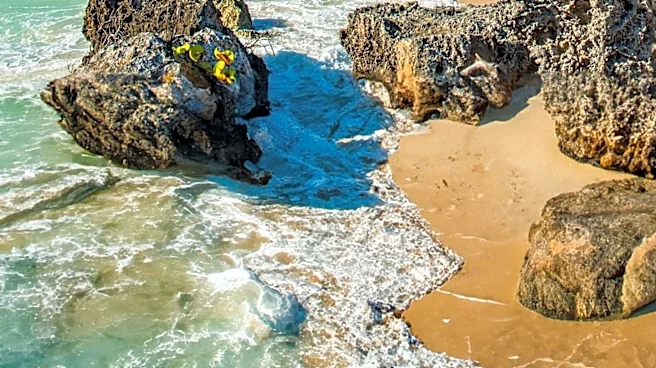
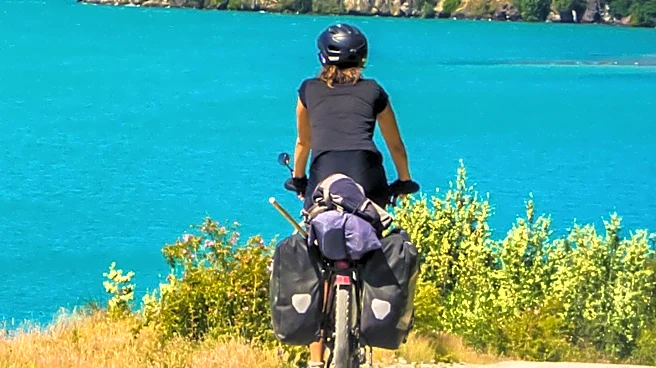
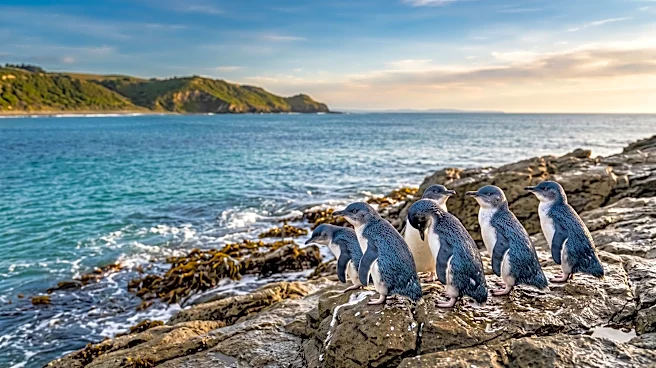
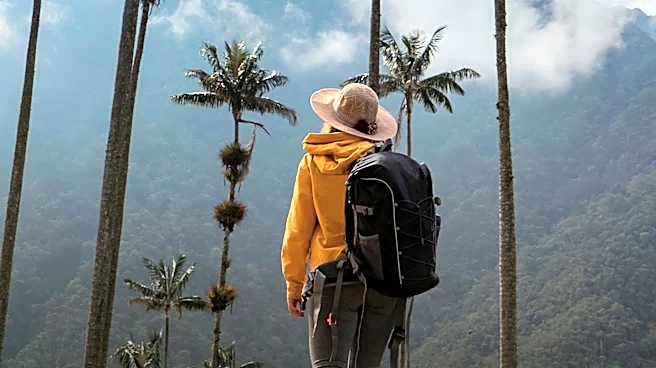
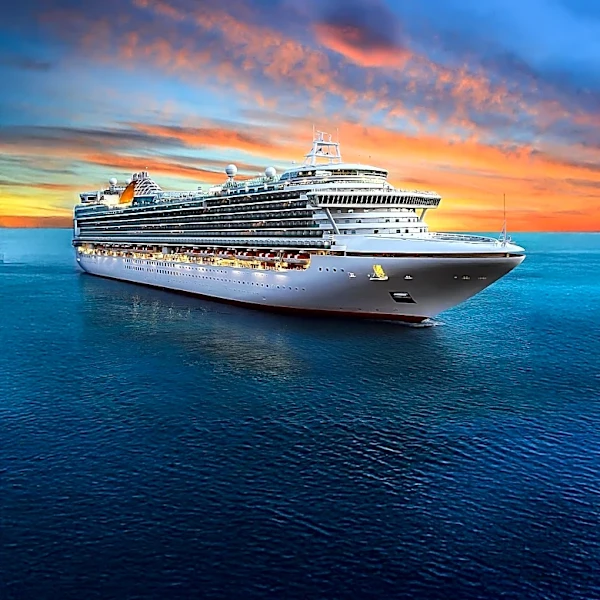
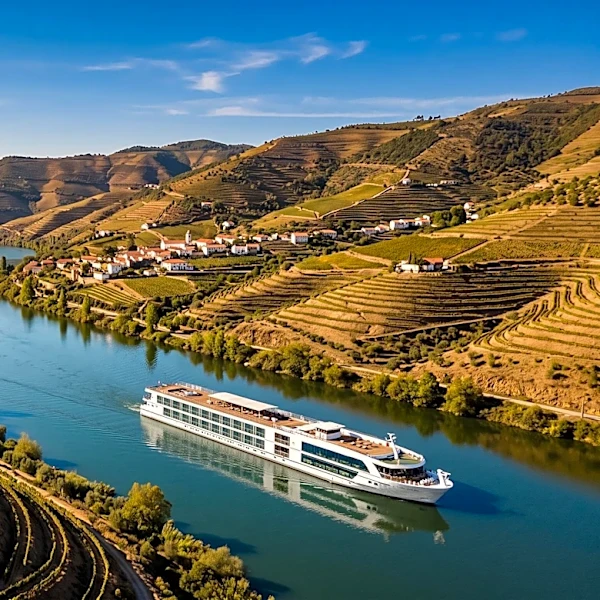
Soft adventure travel is gaining prominence, focusing on leisurely activities that combine relaxation with exploration. This travel style is characterized by easy-paced pursuits such as beach walks, island explorations, historical site visits, sunset
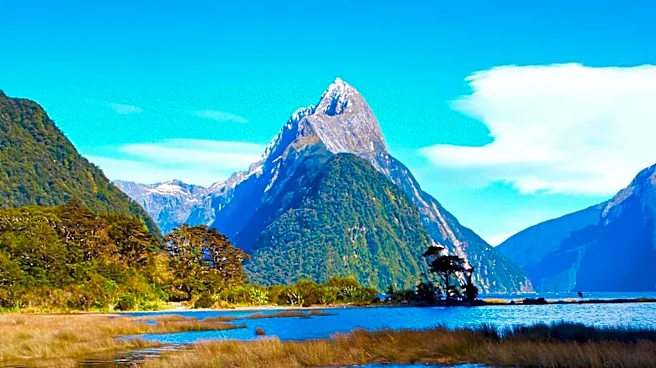
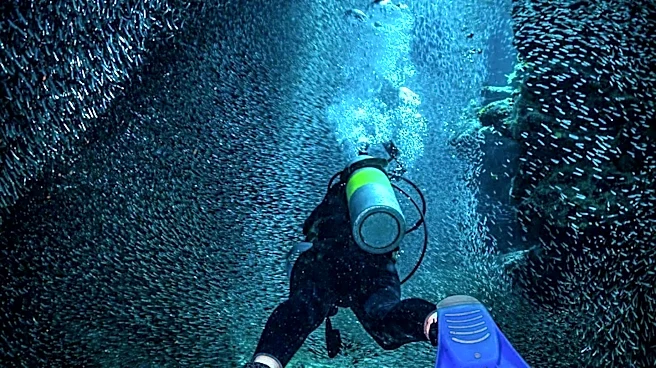
cruises, and cultural experiences like culinary events and art performances. Destinations like Antigua and Barbuda offer serene shores and vibrant marine life for easy adventure. In New Zealand, Rotorua and Taupō provide a mix of nature, Māori culture, geothermal activity, and gentle outdoor pursuits. Similarly, Kyoto and Victoria, British Columbia, are highlighted for their slow-paced experiences that promote mindfulness and restorative travel. The Great Smoky Mountains also cater to this trend, offering hiking trails ranging from gentle to demanding, river rafting, and ziplining, allowing travelers to balance rugged experiences with comfort. This approach contrasts with high-octane adventure travel by prioritizing a more relaxed pace and opportunities for recovery.
Why It's Important?
The rise of soft adventure travel signifies a shift in traveler preferences towards more mindful and restorative experiences, impacting the U.S. tourism industry and global travel markets. This trend caters to a broader demographic, including those seeking physical activity without extreme exertion, families, and multi-generational groups. For U.S. destinations like the Great Smoky Mountains, it means attracting visitors who desire both engagement with nature and comfortable accommodations, potentially boosting local economies through diverse tourism offerings. The emphasis on balancing adventure with relaxation can lead to more sustainable tourism practices, as travelers are encouraged to engage deeply with local cultures and environments at a slower pace. This approach also highlights the importance of well-being in travel, with vacations designed to reduce stress and promote psychological detachment, ultimately enhancing the overall value proposition of travel for consumers.
What's Next?
The travel industry is likely to continue adapting to the growing demand for soft adventure options. This could involve the development of more tailored itineraries that integrate gentle physical activities with cultural immersion and relaxation. Destinations, particularly in the U.S., may invest in promoting their 'soft adventure' offerings, such as accessible hiking trails, guided nature walks, and cultural workshops, alongside traditional adventure sports. Travel operators are expected to offer more flexible booking options and personalized experiences that allow travelers to customize their adventure-to-rest ratio. Furthermore, there may be an increased focus on 'energy budgeting' in trip planning, where activities are scored based on their physical and mental demands to ensure a balanced and restorative vacation. This trend could also influence accommodation providers to offer amenities that support both active pursuits and relaxation, such as spas, wellness programs, and comfortable lodging in scenic locations.
Beyond the Headlines
The growing popularity of soft adventure travel reflects a deeper societal shift towards prioritizing well-being, mindfulness, and sustainable living. This trend moves beyond mere tourism, influencing how individuals perceive leisure and their relationship with the environment. Ethically, it encourages a more respectful and immersive engagement with local communities and natural landscapes, potentially fostering greater environmental stewardship. Culturally, it promotes a deeper appreciation for diverse traditions and slower ways of life, moving away from superficial 'checklist' tourism. The long-term implications could include a re-evaluation of what constitutes a 'successful' vacation, shifting the focus from quantity of activities to quality of experience and personal rejuvenation. This could lead to a more conscious travel culture, where the journey itself, and the opportunities for reflection and connection it provides, are valued as much as the destination.