



What's Happening?
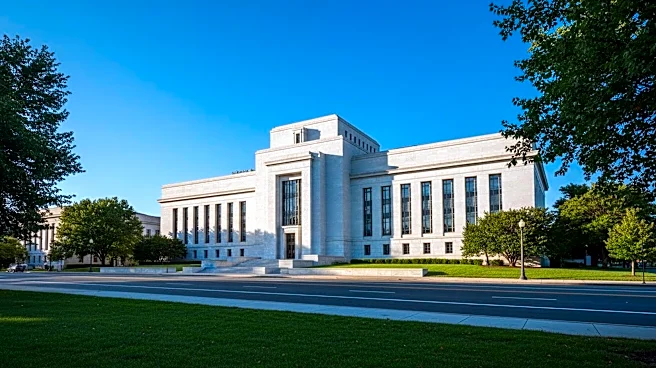
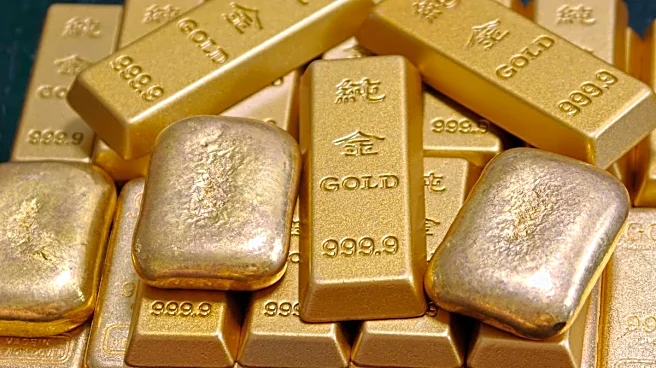
The financial markets are keenly awaiting the release of the Federal Open Market Committee (FOMC) minutes, which are expected to provide crucial insights into the Federal Reserve's policy direction. This anticipation comes as gold and silver, after experiencing
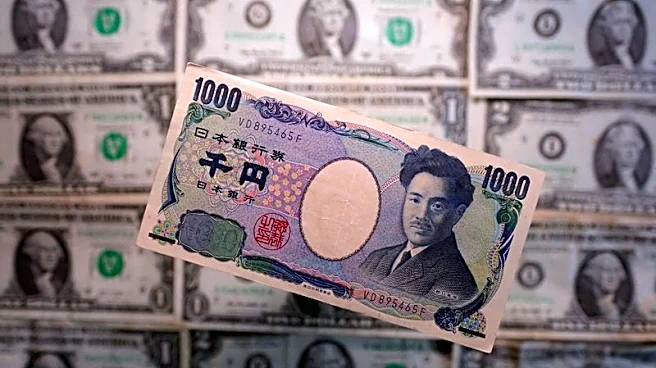
strong breakouts earlier in the month, have entered a period of consolidation. The U.S. dollar, represented by the DXY, has remained resilient despite various economic headwinds, maintaining a range-bound trading pattern. This stability in the dollar has contributed to the current stall in precious metals, as traditional macro signals that typically drive these markets have become muddled. The usual strong correlations between gold and silver with U.S. two-year and ten-year yields, as well as real yields, have shown an unexpected positive relationship, contrary to fundamental expectations. Furthermore, the relationship between precious metals and the U.S. dollar has been almost non-existent in recent days, adding to the market's uncertainty. Traders are looking to the FOMC minutes as a potential catalyst to break the current range-bound trading of gold and silver.
Why It's Important?
The release of the FOMC minutes is highly significant for U.S. financial markets, particularly for investors in precious metals and currency. The Federal Reserve's policy direction, as revealed in these minutes, can directly impact interest rates, inflation expectations, and the strength of the U.S. dollar. A hawkish stance could further bolster the dollar, potentially putting downward pressure on gold and silver, which are often seen as safe-haven assets or inflation hedges. Conversely, a dovish tone might weaken the dollar and provide a boost to precious metals. The current disconnect between traditional macro drivers and the behavior of gold and silver creates an environment of heightened uncertainty, making the FOMC minutes even more critical for market participants seeking clarity. Businesses involved in commodity trading, as well as individual investors, stand to gain or lose based on how the market interprets the Fed's future actions and how these actions influence the dollar and precious metals.
What's Next?
Following the release of the FOMC minutes, market participants will closely analyze the details for any indications of future monetary policy. Traders will be looking for clues regarding interest rate hikes, quantitative tightening, or any shifts in the Federal Reserve's economic outlook. Depending on the content of the minutes, there could be a significant movement in the U.S. dollar, which in turn would likely impact the prices of gold and silver. A clear policy direction from the Fed could provide the catalyst needed to move precious metals out of their current consolidation phase. Conversely, if the minutes offer little new information or maintain an ambiguous stance, the range-bound trading in gold and silver, and the dollar's resilience, could persist. Major stakeholders, including institutional investors, hedge funds, and individual traders, will adjust their positions based on the perceived implications of the FOMC's discussions.
Beyond the Headlines
The current market dynamics, characterized by the U.S. dollar's unexpected strength and the muddled signals from traditional macro drivers for precious metals, highlight a deeper shift in investor sentiment and economic conditions. The lack of a clear correlation between gold and silver and factors like U.S. yields and the dollar suggests that investors may be reacting to a more complex set of global economic and geopolitical factors than usual. This could indicate a period of increased market volatility and a re-evaluation of traditional investment strategies. The resilience of the dollar, despite various headwinds, could also reflect a broader flight to safety or a perception of relative strength in the U.S. economy compared to other major economies. This situation underscores the evolving nature of financial markets and the challenges in predicting asset movements based solely on historical patterns, emphasizing the need for continuous adaptation and analysis of real-time economic data.