



What's Happening?
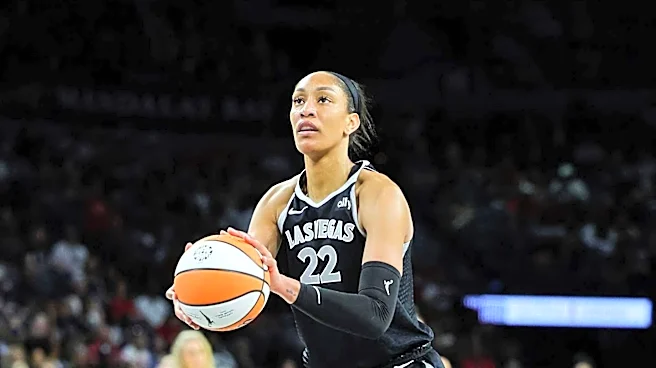
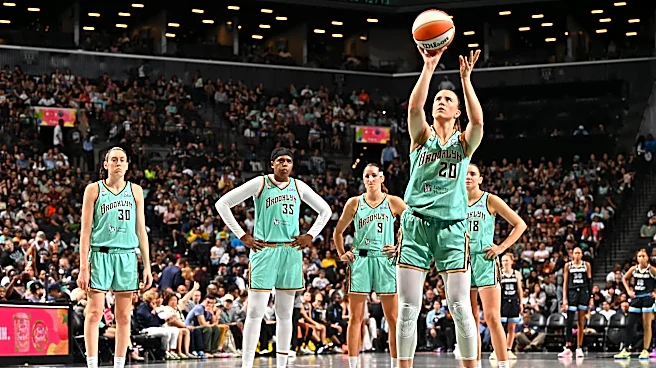
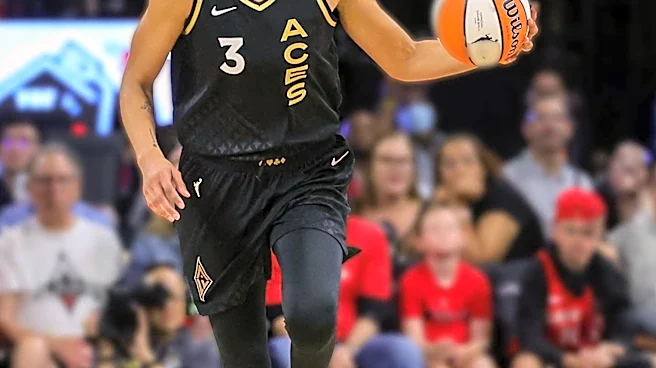
In a recent WNBA game between the New York Liberty and the Las Vegas Aces, a controversial officiating decision has sparked significant debate. With 18 seconds remaining, A'ja Wilson of the Aces lost control of the ball, which appeared to go out of bounds.
However, the referees ruled it as Aces' possession, despite video evidence suggesting otherwise. The Liberty, unable to challenge the call due to exhausted challenges, were left frustrated as the Aces' Jackie Young secured the win with free throws and a late steal. This incident is reminiscent of a similar controversy in 2024, where Breanna Stewart of the Liberty benefited from a questionable call in the WNBA Finals against the Minnesota Lynx.
Why It's Important?
The incident highlights ongoing concerns about officiating standards in the WNBA, which could impact the league's credibility and fan trust. As the league grows, ensuring fair play and accurate officiating is crucial for maintaining competitive integrity. The controversy underscores the need for improved officiating protocols, such as the planned centralized replay center set to launch in 2027. This development aims to enhance decision-making accuracy by providing referees with better replay resources. The situation also raises questions about the potential implementation of a Last Two Minute Report, similar to the NBA, to increase transparency and accountability in officiating.
What's Next?
The WNBA is set to introduce a centralized replay center in 2027, utilizing the NBA's facilities in New Jersey to improve officiating accuracy. Discussions are ongoing about implementing a Last Two Minute Report to further enhance transparency. These measures aim to prevent similar controversies in future games, especially during critical playoff matches. The league's commitment to addressing officiating issues reflects its dedication to improving the quality of the game and maintaining fan engagement.
Beyond the Headlines
The officiating controversy in the WNBA not only affects the immediate outcomes of games but also has broader implications for the league's reputation and growth. As the WNBA seeks to expand its audience and market presence, ensuring fair and transparent officiating is essential. The league's proactive steps towards improving officiating standards could set a precedent for other sports organizations facing similar challenges. Additionally, the controversy highlights the importance of technological advancements in sports, as better replay systems and accountability measures can significantly enhance the integrity of the game.