






What's Happening?
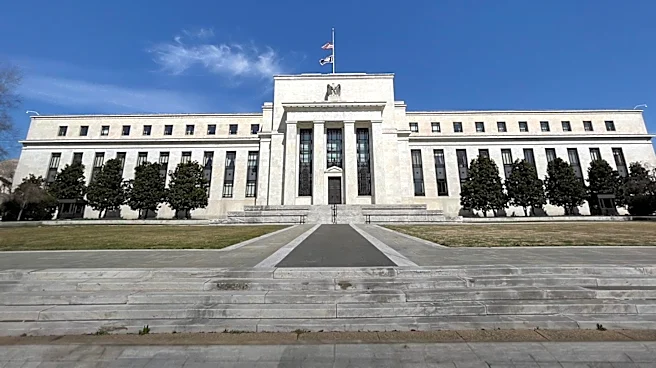
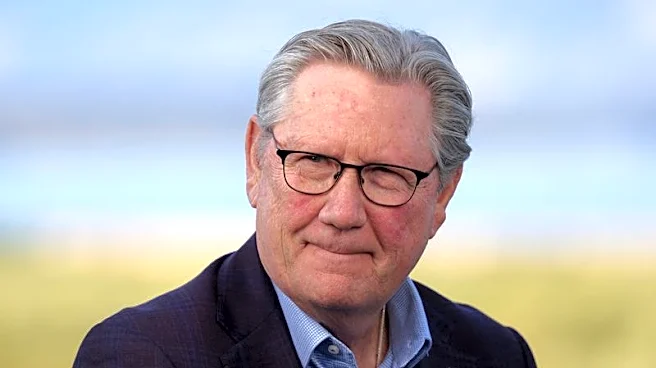
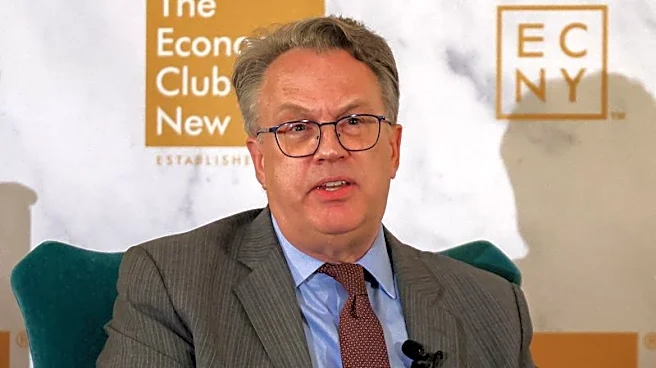
Jeff Schmid, President and CEO of the Federal Reserve Bank of Kansas City, emphasized the ongoing challenge of inflation during a recent economic forum in Grand Island. Schmid highlighted that inflation remains above the Federal Reserve's target, with
core inflation excluding energy still running solidly above 2%. He noted that while Nebraska's economy appears solid, challenges such as the closure of a manufacturing plant in Lexington and thin profit margins in agriculture persist. Schmid also pointed out that cattle prices are at record highs due to drought conditions, contributing to inflationary pressures. Despite these challenges, Nebraska's real GDP has grown by about 2.5% over the past year, aligning with national trends.
Why It's Important?
The focus on inflation by the Federal Reserve Bank of Kansas City underscores the broader economic concerns facing the U.S. Persistent inflation can erode purchasing power and complicate monetary policy decisions. Schmid's remarks highlight the delicate balance the Federal Reserve must maintain between controlling inflation and supporting employment. The economic challenges in Nebraska, such as high cattle prices and manufacturing job losses, reflect broader national issues that could impact economic stability. The Federal Reserve's actions in response to inflation will have significant implications for interest rates, consumer spending, and overall economic growth.
What's Next?
The Federal Reserve is likely to continue monitoring inflation closely, with potential adjustments to monetary policy to address persistent inflationary pressures. Schmid's comments suggest that the Federal Reserve may consider further interest rate hikes if inflation remains above target. The economic conditions in Nebraska, particularly in agriculture and manufacturing, will be key areas to watch as they could influence broader economic trends. Stakeholders, including businesses and policymakers, will need to adapt to potential changes in monetary policy and their impact on the economy.