





What's Happening?
Hollywood actress Gal Gadot has publicly discussed the difficulties of living in the United States as an Israeli, citing growing hostility towards Israel. During an appearance on the satirical Israeli television program 'Eretz Nehederet', Gadot revealed
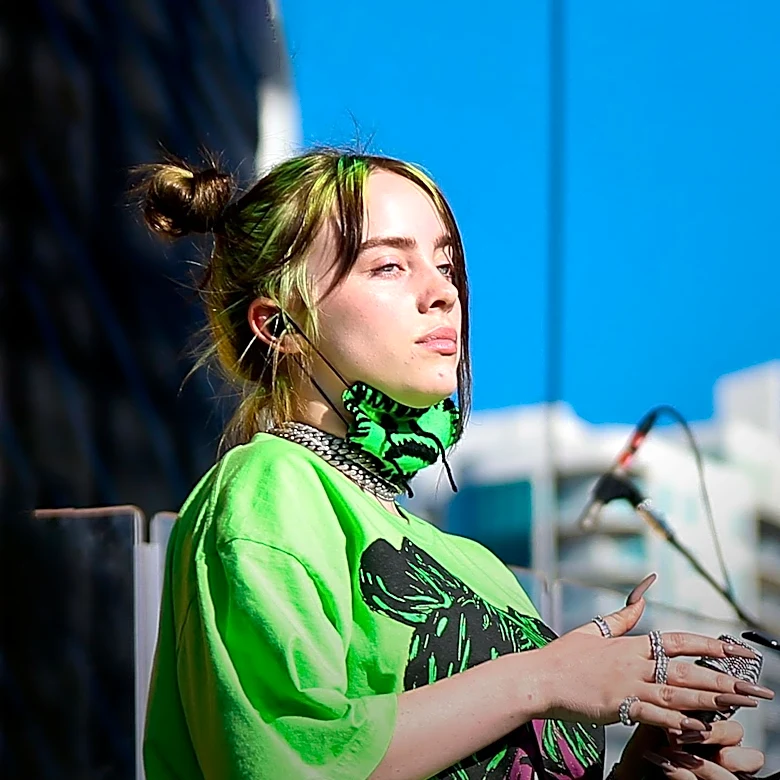
her plans to return to Israel with her husband and four daughters. She recently traveled to Israel to cast her ballot in the October 27 parliamentary elections, marking her first return after nearly 12 years of residing in the U.S. Gadot described a significant shift in her daily life since the onset of the war, noting increased challenges in public spaces and a noticeable disparity between information presented in Israel and abroad. She also mentioned occasionally wearing a face mask in public to avoid unwanted attention due to rising antisemitism and anti-Israel sentiment. Gadot emphasized her efforts to provide Americans with additional context regarding developments in the region.
Why It's Important?
Gal Gadot's public statements highlight the increasing social and cultural pressures faced by Israelis and Jewish individuals living in the United States amidst ongoing geopolitical tensions. Her decision to relocate back to Israel, after a significant period in Hollywood, underscores a broader sentiment of unease and a desire for a more supportive environment. This move could influence public discourse regarding the experiences of diaspora communities and the impact of international conflicts on personal lives. For the entertainment industry, the departure of a prominent figure like Gadot could spark conversations about the environment for diverse voices and the challenges of maintaining cultural identity in a globalized world. Her comments also draw attention to the perceived differences in media narratives between the U.S. and Israel, potentially fueling discussions about media representation and bias.
What's Next?
Gadot's announced plans to return to Israel suggest a personal and professional transition. While she has confirmed building a house in Israel, the timeline for her full relocation with her family remains to be seen. Her continued public commentary on the challenges faced by Israelis abroad may further amplify discussions within both the Israeli diaspora and broader American society regarding identity, belonging, and the impact of international events on personal lives. Her decision could also prompt other public figures to share their experiences, potentially leading to a more open dialogue about the complexities of cultural and national identity in a globalized world. The entertainment industry may observe how her career evolves with this geographical shift, potentially influencing future productions or collaborations.
Beyond the Headlines
Gadot's experience reflects a deeper societal tension where geopolitical conflicts increasingly spill over into personal and public life, particularly for individuals with strong national or ethnic ties. Her remarks about the differing information landscapes in the U.S. and Israel point to a growing challenge in navigating global narratives and the potential for misinformation or selective reporting to shape public perception. This situation raises questions about the role of public figures in bridging cultural divides and the personal toll of being a visible representative of a nation during times of conflict. The decision to return to one's homeland due to perceived hostility abroad also touches upon themes of identity, safety, and the search for community in an increasingly polarized world, highlighting the complex interplay between global politics and individual well-being.