



What's Happening?
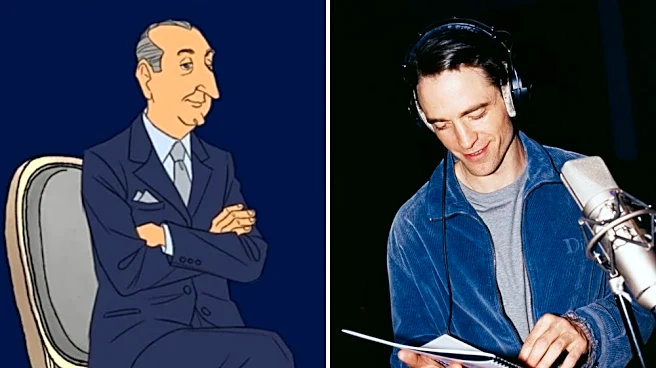
Four-time Oscar-nominated French director Sylvain Chomet and producer Aton Soumache have explicitly denied viral speculation that artificial intelligence was used to generate frames in a new ad campaign for luxury fashion brand Dior. The ad, initially
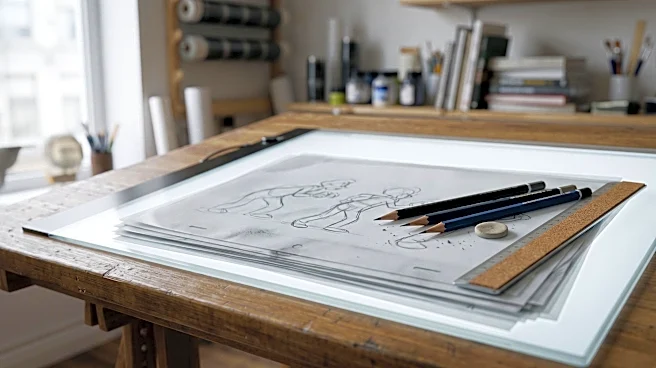
promoted as hand-drawn, faced scrutiny after viewers pointed out visual anomalies such as extra fingers and morphing objects, leading to questions about AI involvement. Soumache clarified that the ad was created over seven months by a team of 20 artists, including six animators. While denying generative AI use, Soumache acknowledged the employment of an "automated interpolation system for a very small part of the process," emphasizing that the film is traditional 2D animation. Chomet attributed the perceived anomalies to established animation techniques that use exaggerated or overlapping shapes to convey movement, a foundational aspect of hand-drawn animation.
Why It's Important?
This incident highlights a growing concern within the creative industries regarding the transparency and ethical implications of AI integration in artistic production. The initial promotion of the Dior ad as purely hand-drawn, followed by the acknowledgment of an "automated interpolation system," raises questions about how companies communicate their production methods to the public. For consumers, particularly those who value traditional craftsmanship in luxury brands like Dior, the perceived use of AI can impact brand perception and trust. For artists and animators, the debate underscores anxieties about job security and the potential devaluation of human skill in an era of advancing AI technology. The lack of specific details about the interpolation software and its extent leaves room for continued speculation, emphasizing the need for greater clarity from creators and brands about their use of AI tools.
What's Next?
The ongoing discussion surrounding the Dior ad suggests a need for increased transparency from production studios and brands regarding their use of AI and automated tools in creative processes. Without more specific information about the interpolation tools and workflow employed, skepticism among viewers and industry observers is likely to persist. This situation could prompt other companies in the animation and advertising sectors to proactively disclose their technological methods to maintain audience trust and avoid similar controversies. Furthermore, it may lead to broader industry conversations about establishing clear guidelines or standards for labeling AI-assisted content, especially when traditional artistic techniques are emphasized in promotional materials. The incident could also encourage consumers to be more discerning about the authenticity of creative works, pushing for greater accountability from creators.
Beyond the Headlines
The controversy surrounding the Dior ad delves into deeper ethical and philosophical questions about the definition of "hand-drawn" and the role of automation in art. If automated interpolation systems, even for small parts of a process, are considered acceptable within the realm of traditional animation, it blurs the lines between human-made and machine-assisted art. This could lead to a re-evaluation of what constitutes authenticity and craftsmanship in creative fields. The debate also touches upon the broader societal impact of AI, where the public is increasingly wary of AI's potential to mimic or replace human creativity. For luxury brands, which often trade on exclusivity and artisanal quality, maintaining a clear distinction between human craftsmanship and technological assistance becomes crucial for their brand identity and market positioning. This incident serves as a microcosm of the larger challenges and opportunities presented by AI in the creative economy.