


What's Happening?
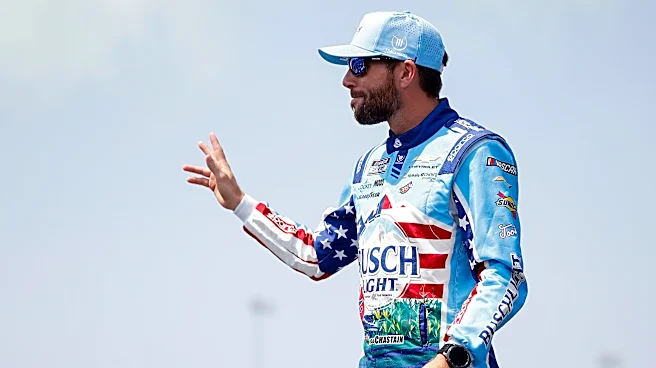
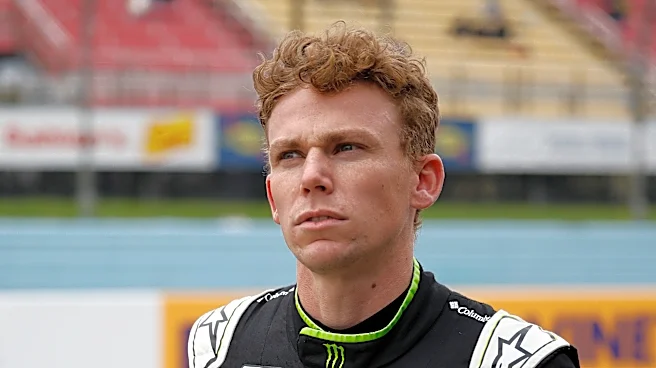
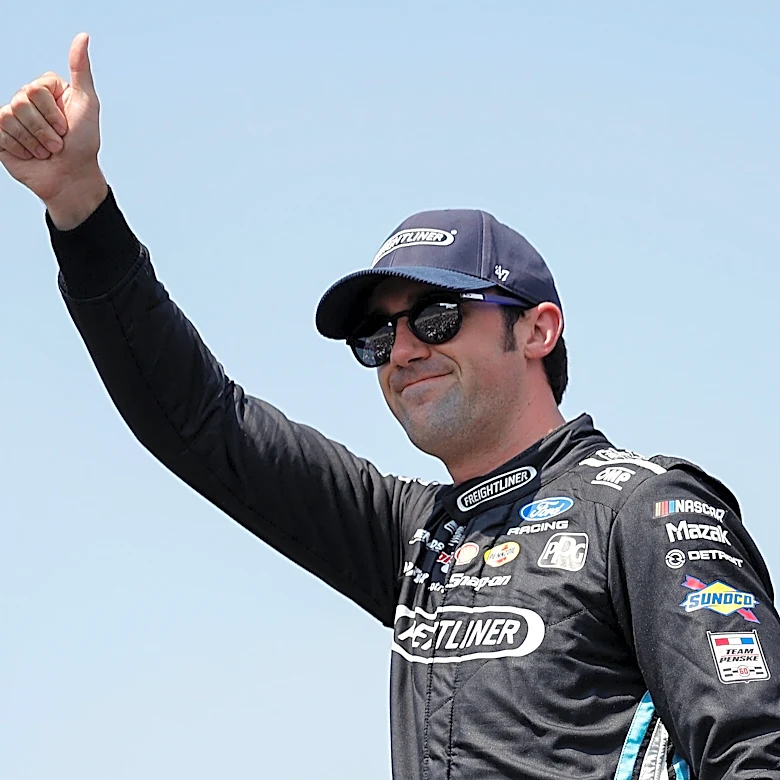
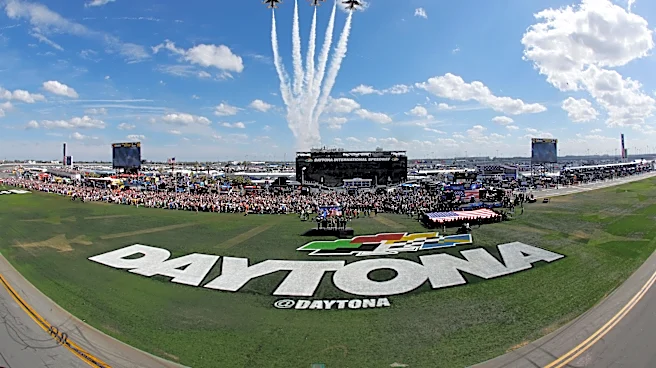
Ross Chastain has earned the pole position for the Coke Zero Sugar 400 at Daytona International Speedway, marking his third career pole in the NASCAR Cup Series and his first at Daytona. Chastain, driving the #1 Wendy's Watermelon Lemonade Chevrolet Camaro
for Trackhouse Racing, achieved a lap time of 48.808 seconds, reaching a speed of 184.396 mph. This performance edged out Chris Buescher, who qualified second with a speed of 184.204 mph. The 33-year-old Florida native expressed that this achievement is a significant life milestone, recalling his childhood dream of winning a pole at NASCAR's renowned superspeedway. The pole position also highlights a strong showing for Chevrolet, with five of their cars qualifying within the top 10, including Austin Hill in third, Shane van Gisbergen in sixth, rookie Connor Zilisch in seventh, and Kyle Larson in tenth. Trackhouse Racing, Chastain's team, saw all three of its entries place within the top seven, which Chastain attributed to the team's preparation and engineering decisions, especially given the uncertainties surrounding a new rules package.
Why It's Important?
This pole position is significant for Ross Chastain and Trackhouse Racing as they head into the NASCAR Cup Series regular-season finale. Securing the top starting spot at Daytona, a track known for its unpredictable racing, provides a strategic advantage, even if qualifying speed doesn't always guarantee race success. For Chastain, a Florida native who grew up attending races at Daytona, this achievement holds personal importance, fulfilling a long-held dream. From a team perspective, Trackhouse Racing's strong qualifying performance, with all three entries in the top seven, demonstrates their engineering prowess and adaptability, particularly with the introduction of a new superspeedway package. This could build momentum and confidence for the team as they navigate the complexities of the new rules. For Chevrolet, Chastain's pole marks their 55th all-time Cup Series pole at Daytona, reinforcing their competitive standing in the series and showcasing the strength of their manufacturer effort with multiple cars in the top 10.
What's Next?
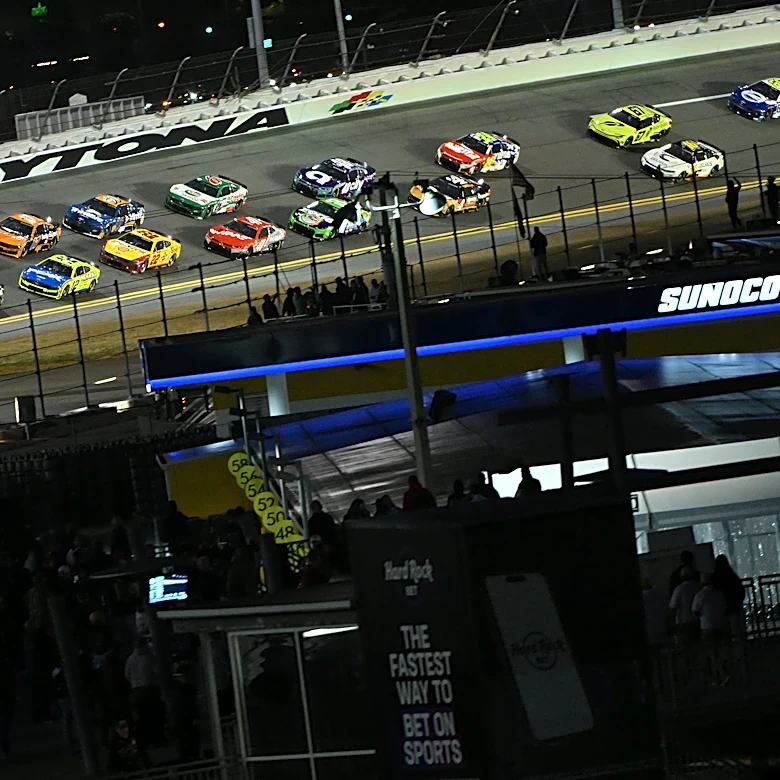
Ross Chastain will start from the pole position in Saturday night’s Coke Zero Sugar 400 at Daytona International Speedway, the regular-season finale for the NASCAR Cup Series. While securing the pole is a significant accomplishment, Chastain himself has cautioned that qualifying speed may not directly translate to race performance, especially with NASCAR's new superspeedway package. Drivers are still uncertain about how the cars will behave in traffic under these new rules. Chris Buescher, starting second, also acknowledged the advantage of a front-row start for gathering early race information. The race will serve as a crucial test for teams to understand the new rules package and adapt their strategies. The performance of Chevrolet, with five cars in the top 10, will be closely watched to see if their qualifying strength translates into race day success. The outcome of this race will be pivotal for many drivers and teams as they vie for playoff spots and championship contention.
Beyond the Headlines
The introduction of a new superspeedway package by NASCAR adds a layer of complexity and intrigue beyond the immediate race results. This new package creates an environment of uncertainty for all teams and drivers, as they must quickly adapt to how their cars will perform in race conditions, particularly in drafting and traffic. This situation could level the playing field or introduce unexpected challenges, potentially leading to a more unpredictable and exciting race for fans. The emphasis on engineering and preparation, as highlighted by Chastain, becomes even more critical when dealing with unknown variables. This scenario also underscores the ongoing evolution of NASCAR's technical regulations and the constant need for teams to innovate and optimize their setups. The success or struggles of teams with this new package could influence future rule changes and the strategic direction of the sport, impacting competition dynamics for seasons to come.