


What's Happening?
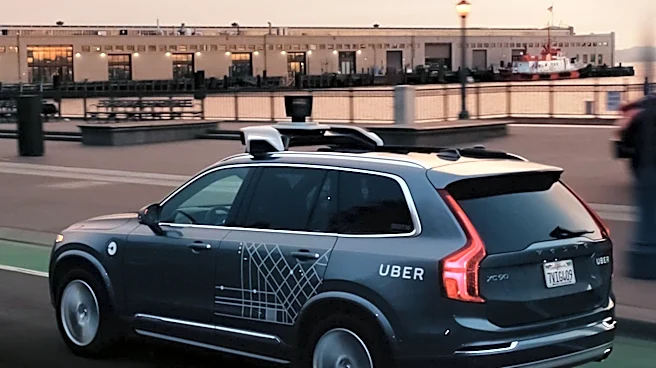
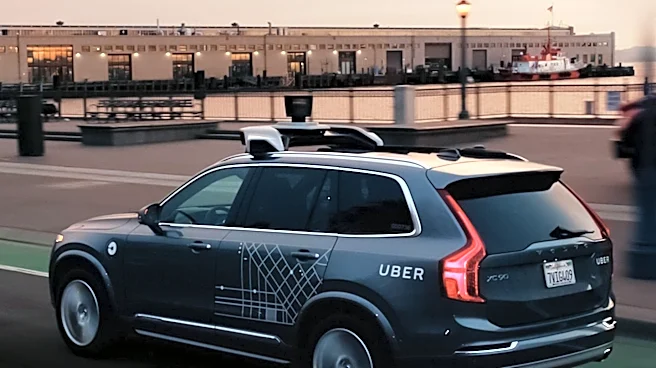
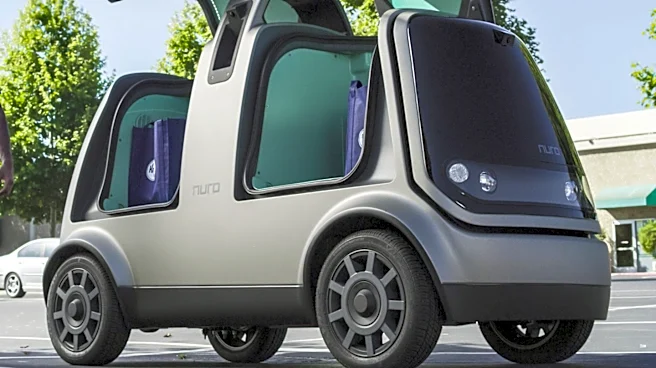
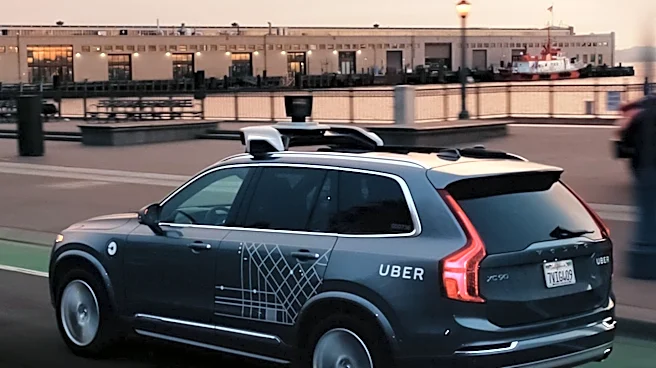
Nuro, Lucid Group, Inc., and Uber Technologies, Inc. have commenced fully driverless testing of robotaxis on public roads across the San Francisco Bay Area. This development follows months of supervised autonomous testing with a safety driver. The initial
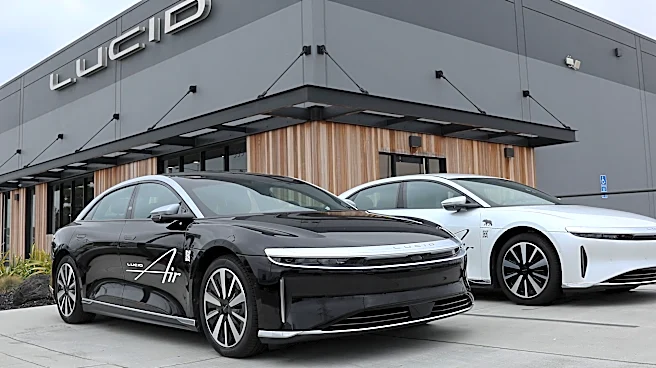
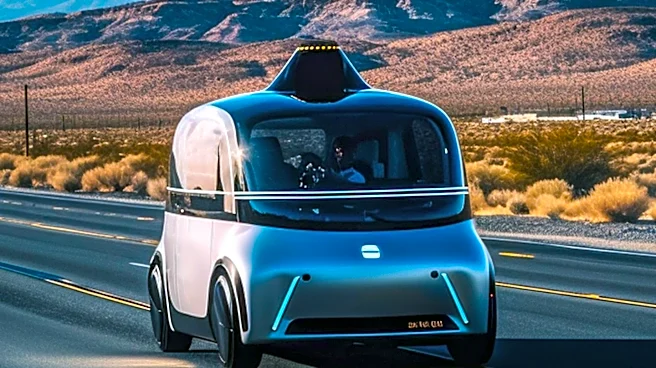
driverless testing will occur in Palo Alto, Mountain View, Los Altos, and Sunnyvale, with plans for expansion to other Bay Area cities next year. Employee rides in these driverless vehicles are set to begin soon, preceding a public launch anticipated in Q1 2027. Lucid has supplied over 100 vehicles, including the Lucid Gravity robotaxi, equipped with necessary hardware, software, and rider-experience updates to support this phase. Nuro has obtained key California permits, including the CPUC Drivered Pilot Permit for passenger rides with a safety operator and the California DMV Driverless Testing Permit, which allows testing on public roads without a driver. The readiness for driverless operation is based on Nuro's Safety Case Framework, which incorporates extensive on-road testing, data collection, large-scale simulation, and closed-course testing at Nuro's Las Vegas facility.
Why It's Important?
This initiative marks a significant advancement in autonomous mobility, bringing the prospect of widespread robotaxi services closer to reality in the U.S. The collaboration between a specialized autonomous technology company (Nuro), an electric vehicle manufacturer (Lucid), and a global ride-hailing platform (Uber) creates a comprehensive ecosystem for deploying self-driving vehicles. For consumers, this could eventually lead to more convenient and potentially safer transportation options. For the automotive and technology industries, it signifies a critical step in validating autonomous driving systems in real-world urban environments, pushing the boundaries of current vehicle technology. The success of this program could influence regulatory frameworks for autonomous vehicles nationwide and accelerate investment in related technologies. Furthermore, Uber's commitment to purchase at least 35,000 Lucid vehicles equipped with the Nuro Driver highlights a substantial market opportunity for EV manufacturers and autonomous tech providers, potentially reshaping urban transportation logistics and reducing reliance on human drivers.
What's Next?
The immediate next steps involve the commencement of employee rides in the driverless vehicles, which will serve as a crucial phase for refining operations, infrastructure, and the in-cabin experience. Following this, the companies aim for a public launch of the robotaxi service in the San Francisco Bay Area in Q1 2027. The driverless testing will gradually expand to additional Bay Area cities throughout the next year. Uber has committed to purchasing a significant fleet of Lucid vehicles equipped with Nuro's autonomous driving technology, with long-term plans to expand the robotaxi program across dozens of global markets. This suggests a phased rollout, starting with controlled environments and gradually scaling up. The ongoing testing and data collection will be vital for continuous improvement of the Nuro Driver system, addressing any unforeseen challenges, and ensuring the safety and reliability of the service before broader public deployment.
Beyond the Headlines
The deployment of fully driverless robotaxis raises profound implications beyond immediate transportation convenience. Ethically, it brings to the forefront questions about accountability in the event of accidents involving autonomous vehicles, and the societal impact of job displacement for professional drivers. Legally, it will likely necessitate further evolution of traffic laws, insurance policies, and liability frameworks to accommodate vehicles operating without human intervention. Culturally, the widespread adoption of robotaxis could alter urban planning, reduce private car ownership, and change how people interact with transportation services. The long-term shift could see cities reconfigured with less parking infrastructure and more shared mobility options. This development also underscores the increasing convergence of automotive, artificial intelligence, and ride-sharing industries, potentially leading to new business models and a redefinition of personal mobility in the coming decades.