




What's Happening?
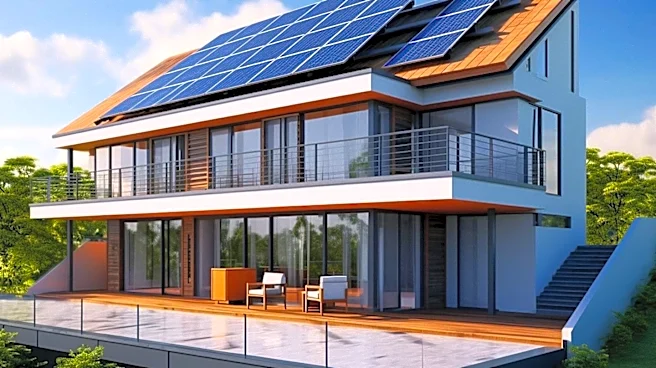
Hilton has launched the Home2 Suites by Hilton Clean Energy Prototype, an optional and scalable hotel design concept aimed at significantly improving energy efficiency, lowering utility costs, and reducing carbon emissions for hotel owners and guests.
This new prototype integrates all-electric systems, renewable energy sources, and high-efficiency building technologies. According to Hilton, energy modeling indicates that this design could lead to annual energy cost reductions of 18% to 40% and approximately 30% greater energy efficiency compared to a traditional Home2 Suites prototype. The initiative responds to a 28% increase in U.S. hotel utility costs over the past five years, as reported by the American Hotel & Lodging Association, and growing industry demand for practical sustainability solutions. The prototype is Hilton’s first designed with zero operational emissions to be widely available to owners and developers, aligning with the World Green Building Council's zero operational emissions building requirements and Hilton's 'Travel with Purpose' strategy.
Why It's Important?
This new prototype is highly significant for the U.S. hospitality industry, offering a tangible solution to rising operational costs and increasing pressure for environmental sustainability. For hotel owners and developers, the potential for substantial energy cost reductions (18-40%) and increased property valuation presents a compelling financial incentive. This could accelerate the adoption of green building practices across the sector, making sustainable development more economically attractive. For guests, the promise of a more sustainable stay aligns with growing consumer preferences for environmentally responsible travel, potentially enhancing brand appeal and loyalty for Home2 Suites. Furthermore, by setting a precedent for zero operational emissions in a widely available prototype, Hilton is influencing industry standards and encouraging competitors to invest in similar clean energy solutions. This initiative also supports broader national goals for reducing carbon footprints and transitioning to renewable energy sources within the commercial real estate sector.
What's Next?
The Home2 Suites Clean Energy Prototype is now available to hotel owners and developers in the U.S. as a turnkey option. Hilton will likely monitor the adoption rate and performance of these new properties to gather real-world data on energy savings and emissions reductions. The company plans to explore applying these solutions across different markets and operating environments, potentially expanding similar clean energy prototypes to other Hilton brands. Hilton Supply Management will continue to support hotels with its energy procurement program, offering renewable energy sourcing and cost-management solutions. The success of this prototype could lead to increased investment in sustainable technologies and design within the hotel construction industry, potentially fostering innovation in areas like advanced building materials, smart energy management systems, and on-site renewable energy generation. Other hotel chains may follow suit, developing their own clean energy prototypes to remain competitive and meet evolving market demands.
Beyond the Headlines
The introduction of the Home2 Suites Clean Energy Prototype reflects a deeper shift in corporate responsibility and market dynamics within the U.S. hospitality sector. It highlights the growing recognition that sustainability is not just an ethical imperative but also a strategic business advantage, directly impacting profitability and asset value. This move could trigger a broader re-evaluation of traditional hotel development models, pushing for integrated sustainable design from conception rather than as an afterthought. The emphasis on 'zero operational emissions' also signals a commitment to ambitious environmental targets, potentially influencing regulatory frameworks and industry benchmarks for green building. Moreover, by offering a 'turnkey' solution, Hilton is democratizing access to advanced sustainable technologies for a wider range of developers, including small businesses, which could accelerate the overall transition to a greener economy within the U.S. commercial sector. This initiative also subtly educates consumers on the tangible benefits of sustainable practices, fostering a greater demand for eco-friendly services.