









What's Happening?
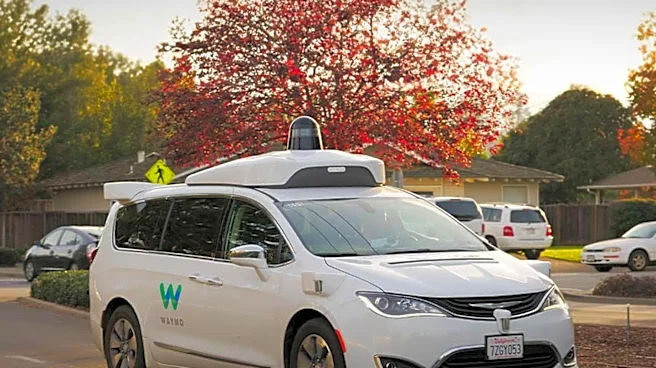
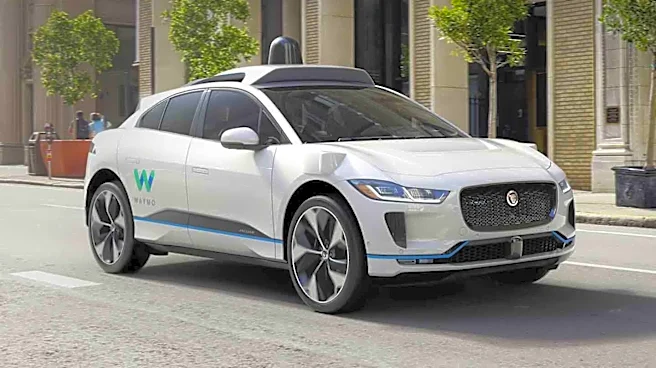
Waymo, a leading player in the autonomous vehicle industry, has registered a new entity, Waymo Germany GmbH, in Munich. This move marks the beginning of Waymo's efforts to establish a presence in the European market, specifically targeting the deployment
of robotaxi services. The registration was completed in mid-June, with the company setting up its business address at Google's Munich office. Waymo has already started recruiting test drivers and vehicle trainers in Berlin and Munich. Although no specific launch dates or city plans have been announced, this registration is the first step in a lengthy process that includes legal setup, mapping, partnerships, regulatory engagement, and supervised testing. Waymo's international expansion is supported by a significant funding round, which raised $16 billion earlier this year, valuing the company at $126 billion.
Why It's Important?
Waymo's entry into the European market is significant as it represents a major step in the global expansion of autonomous vehicle technology. The move into Germany, a country with a rich automotive history and a complex regulatory environment, underscores Waymo's ambition to become a global leader in the robotaxi industry. This expansion could potentially disrupt the European automotive market, which is already competitive with local and international players. The success of Waymo's operations in Europe could influence regulatory frameworks and consumer acceptance of autonomous vehicles across the continent. Additionally, Waymo's presence in Germany places it in direct competition with other tech and automotive giants, potentially accelerating innovation and adoption of autonomous driving technologies.
What's Next?
Waymo's next steps involve engaging with local regulators and establishing partnerships with local operators to facilitate the deployment of its services. The company will likely focus on mapping and testing its technology in German cities, adapting to the unique challenges of European urban environments. As Waymo progresses, it will need to navigate the fragmented regulatory landscape in Europe, which includes city-level permissions and national licensing regimes. The outcome of these efforts will be closely watched by industry stakeholders, as it could set a precedent for the deployment of autonomous vehicles in other European countries.