



What's Happening?
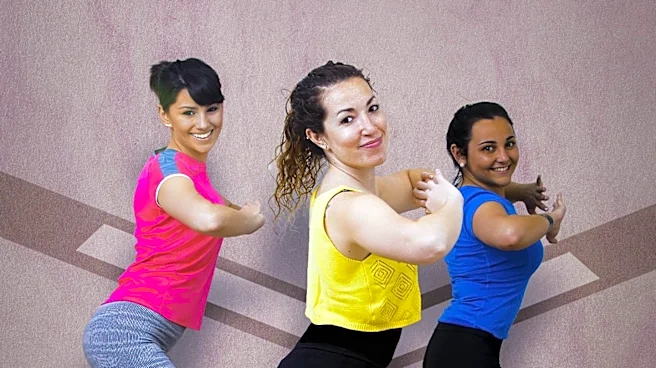
Dance workouts are being recognized for their effectiveness in promoting cardiovascular fitness, engaging various muscle groups, and providing cognitive stimulation. These workouts are noted for burning calories at rates comparable to running, while also
offering a lower-impact alternative, which contributes to their sustainability as a form of exercise. The range of dance styles incorporated into these workouts, such as hip hop, salsa, and contemporary dance, are designed to maintain an elevated heart rate and deliver a full-body workout. Beyond calorie expenditure, dance workouts are also instrumental in enhancing balance, coordination, and flexibility. Their enjoyable nature is a significant factor in encouraging consistent participation, making them a popular choice for individuals seeking an engaging fitness regimen.
Why It's Important?
The growing recognition of dance workouts as a comprehensive fitness solution has significant implications for public health and the fitness industry in the U.S. As sedentary lifestyles become more prevalent, accessible and enjoyable forms of exercise are crucial. Dance workouts offer a compelling alternative to traditional exercise routines, potentially increasing overall physical activity levels across diverse demographics. The emphasis on lower-impact movements makes them suitable for a wider range of ages and fitness levels, reducing barriers to entry for individuals who might find high-impact activities challenging. For the fitness industry, this trend could lead to increased demand for dance-focused classes and instructors, fostering innovation in workout program development. Furthermore, the cognitive benefits, such as improved coordination and balance, address a broader spectrum of health needs beyond just physical conditioning, contributing to holistic well-being.
What's Next?
The increasing popularity and proven benefits of dance workouts suggest a continued expansion of their presence in the U.S. fitness landscape. We can anticipate a rise in specialized dance fitness studios, a broader integration of dance classes into existing gyms and community centers, and an increase in online dance workout platforms. There may also be further research into the specific cognitive and psychological benefits of dance, potentially leading to its inclusion in therapeutic and rehabilitative programs. The development of new dance workout styles and fusion classes is also likely, catering to diverse preferences and keeping the exercise engaging. Additionally, the focus on accessibility and enjoyment could inspire public health initiatives to promote dance as a fun and effective way to combat inactivity and improve overall health.
Beyond the Headlines
Beyond the immediate physical benefits, the widespread adoption of dance workouts could foster significant cultural and social shifts within the U.S. The communal aspect of many dance classes can build stronger community ties and provide a sense of belonging, addressing issues of social isolation. Ethically, promoting dance as a form of exercise encourages body positivity and self-expression, moving away from purely aesthetic-driven fitness goals towards a more holistic view of health. The diverse range of dance styles also offers an opportunity for cultural exchange and appreciation, as participants engage with movements and music from various traditions. This could lead to a more inclusive and vibrant fitness culture, where individuals are encouraged to explore movement in ways that are personally meaningful and enjoyable, ultimately contributing to a more active and connected society.