




What's Happening?
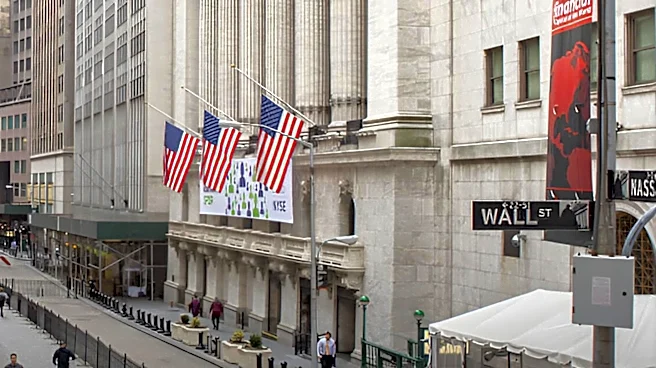
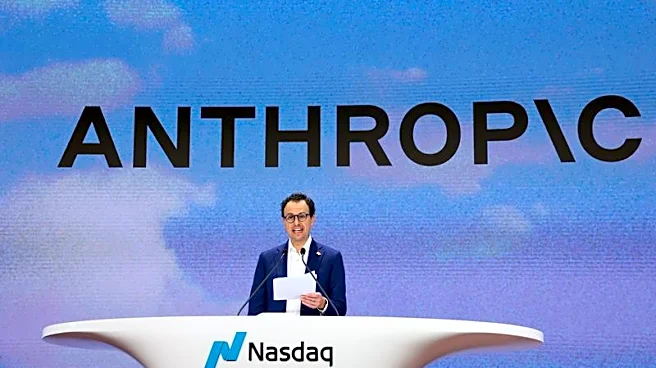
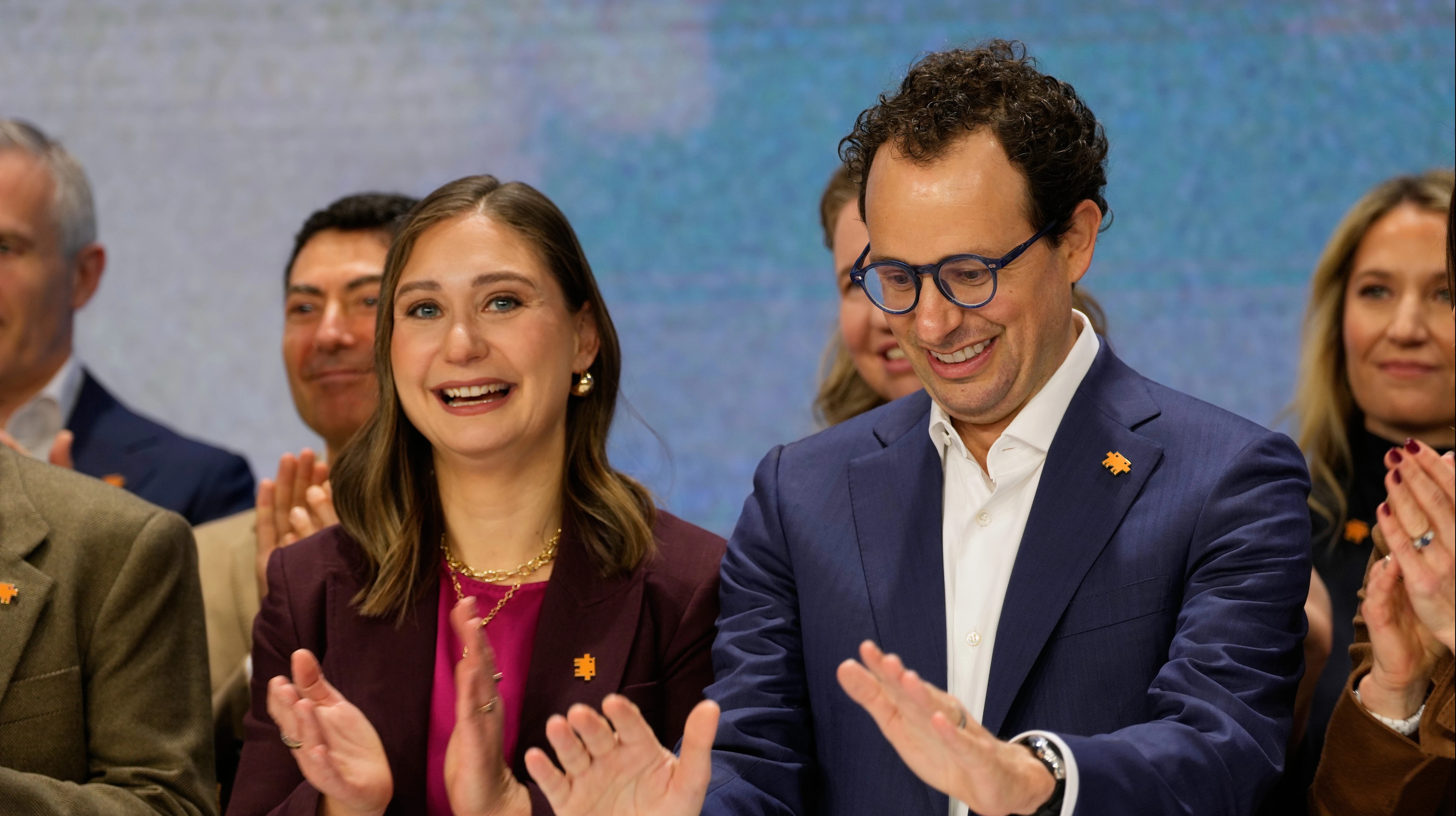
Anthropic, the company behind the Claude chatbot, recently experienced a record-breaking stock market debut. This event has drawn attention and concern from figures like Rumman Chowdhury, CEO of Humane Intelligence. Chowdhury, who is also a signatory
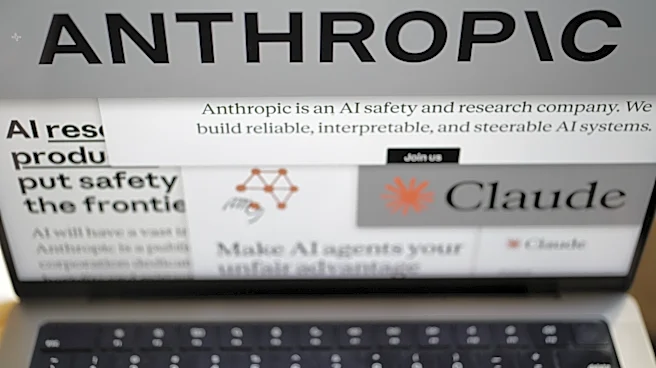
of the 'MISANTHROPIC' statement, voiced her apprehension on Sky News regarding Anthropic's public listing. The 'MISANTHROPIC' statement warns that Anthropic may be using safety branding to attract investors while simultaneously weakening its safety commitments. Chowdhury's comments highlight a growing skepticism within the AI community about the balance between rapid technological advancement and the ethical implications of AI development. The debate centers on whether companies are genuinely prioritizing safety or if such claims are primarily a strategy to enhance market value and investor confidence.
Why It's Important?
This development is important because it underscores a critical tension in the rapidly expanding artificial intelligence sector: the conflict between commercial interests and ethical AI development. The concerns raised by Rumman Chowdhury suggest that the pursuit of financial success, as evidenced by Anthropic's stock market debut, might be overshadowing commitments to AI safety. This could have significant implications for the future of AI regulation and public trust in AI technologies. If companies are perceived as prioritizing profit over safety, it could lead to increased calls for stricter governmental oversight and potentially hinder the responsible integration of AI into various aspects of society. The debate also highlights the role of prominent AI ethicists and organizations in holding tech companies accountable for their stated values and practices, influencing public perception and investor scrutiny.
What's Next?
The ongoing discussion surrounding Anthropic's safety pledges and its market performance is likely to intensify. Stakeholders, including investors, policymakers, and the broader AI ethics community, will be closely monitoring Anthropic's actions and statements regarding its AI safety protocols. There could be increased pressure on the company to provide greater transparency about its safety measures and to demonstrate a clear commitment to ethical AI development beyond marketing rhetoric. This situation may also prompt other AI companies to re-evaluate their own safety branding and practices, anticipating similar scrutiny. Furthermore, the debate could contribute to broader conversations about the need for robust regulatory frameworks for AI, potentially influencing future legislative efforts aimed at ensuring responsible innovation in the sector.
Beyond the Headlines
The concerns raised by Rumman Chowdhury extend beyond Anthropic's immediate market performance, touching upon deeper ethical and societal implications of the AI boom. The 'MISANTHROPIC' statement and Chowdhury's commentary suggest a potential pattern where the rapid commercialization of AI might lead to a dilution of safety standards. This raises fundamental questions about corporate responsibility in emerging technologies and the potential for a 'tech bubble' driven by speculative investment rather than sustainable, ethical development. The long-term impact could include a erosion of public trust in AI, a backlash against unchecked technological advancement, and potentially the development of AI systems with unforeseen or unmitigated risks. This situation highlights the critical need for independent oversight and a strong ethical compass within the AI industry to prevent a race to market that compromises foundational safety principles.