



What's Happening?
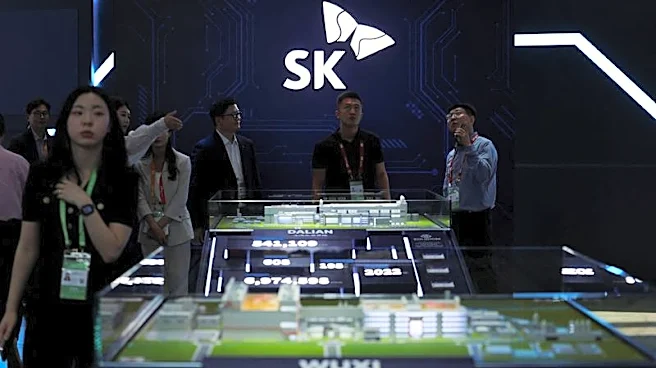
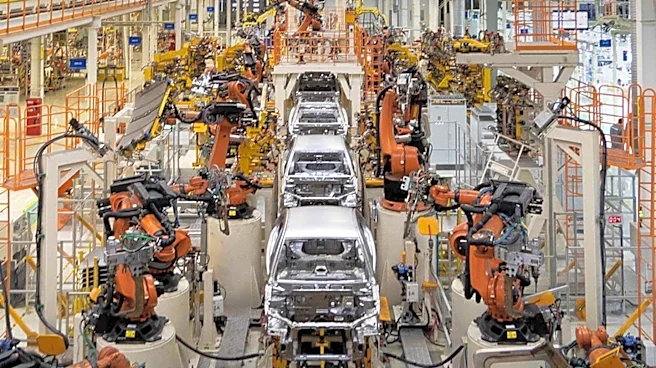
Samsung Electronics has introduced a comprehensive vision for AI-driven factories, aiming to transform manufacturing processes through the integration of artificial intelligence across the entire production value chain. This initiative, presented at MWC
2026, involves the use of digital twins to create autonomous production environments. These digital twins are evolving from simple monitoring tools to platforms capable of autonomously coordinating production volume, product quality, energy consumption, and maintenance strategies. The goal is to achieve a next-generation autonomous manufacturing environment where AI systems can optimize production planning and execute operational decisions automatically. This development is part of a broader trend in the manufacturing industry towards achieving autonomous operations, with digital twins playing a central role in this transformation.
Why It's Important?
The shift towards AI-driven factories represents a significant advancement in manufacturing technology, promising to enhance efficiency, reduce costs, and improve product quality. By enabling real-time optimization and autonomous decision-making, these systems can address production bottlenecks, optimize energy consumption, and improve maintenance strategies. This transformation is crucial for maintaining competitiveness in the global manufacturing sector, particularly as industries face increasing pressure to reduce carbon emissions and improve sustainability. Companies that successfully implement these technologies stand to gain a competitive edge through increased operational efficiency and reduced environmental impact.
What's Next?
As Samsung and other companies continue to develop and implement AI-driven manufacturing technologies, the focus will likely shift towards integrating these systems with existing manufacturing execution systems and operational technologies. This integration is essential for realizing the full potential of autonomous manufacturing. Additionally, there will be a need for standardized, high-quality real-time data across various platforms to ensure reliable AI-driven decision-making. The industry may also see increased collaboration between technology providers and manufacturers to address challenges related to data integration and system interoperability.
Beyond the Headlines
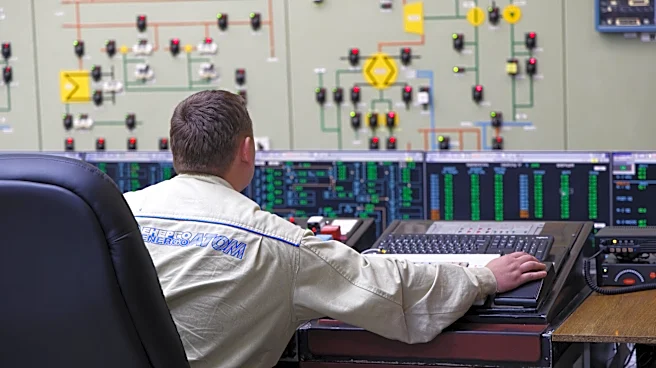
The evolution of digital twins into autonomous operational systems raises important questions about the role of human oversight in manufacturing. As AI systems take on more decision-making responsibilities, companies will need to establish clear governance structures to ensure accountability and safety. This includes defining the division of roles between humans and AI, as well as implementing robust security and access controls. The ethical implications of AI-driven manufacturing, particularly in terms of job displacement and data privacy, will also need to be carefully considered.