






What's Happening?
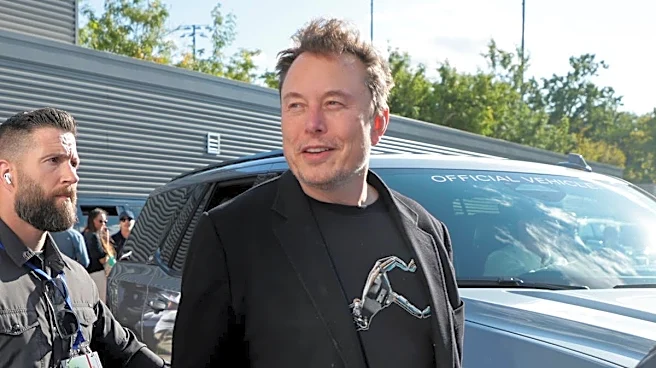
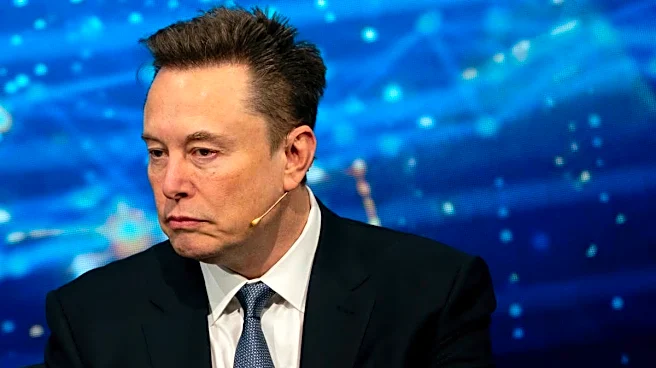
Avner Stepak, chairman and controlling shareholder of Israeli investment house Meitav, has issued a warning regarding the recent SpaceX IPO, describing it as a potential bubble that could destabilize global equity markets. SpaceX, founded by Elon Musk,
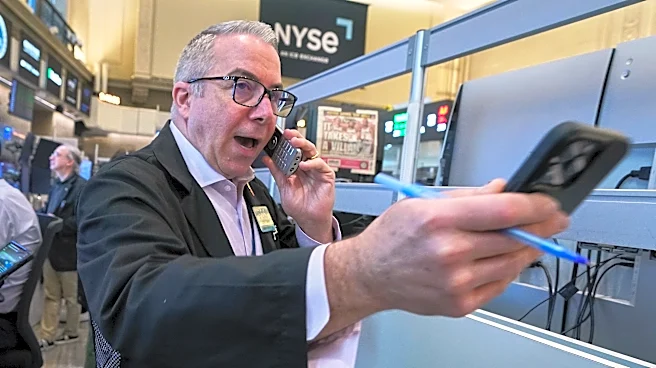
recently went public with a valuation of $1.8 trillion, despite raising only $75 billion in the listing. Stepak criticized the valuation as 'absurd,' noting that it represents 100 times the company's revenue from the previous year. He expressed concerns that the IPO is part of a broader trend of high-profile artificial intelligence-related listings, including companies like OpenAI and Anthropic, which could pose systemic risks to the market. The IPO has attracted significant interest from retail investors, which Stepak believes could lead to instability if these investors begin to exit their positions.
Why It's Important?
The SpaceX IPO is significant as it highlights the growing influence of retail investors in major market events, which can lead to increased volatility. The high valuation of SpaceX, coupled with its retail-driven demand, raises concerns about the sustainability of such market enthusiasm, especially in the context of other AI-related IPOs. If the market experiences a downturn, it could affect not only SpaceX but also the broader AI sector, which is already trading at inflated valuations. This situation underscores the potential risks of speculative investments and the need for caution among investors, particularly in sectors driven by emerging technologies.
What's Next?
As the market adjusts to the implications of the SpaceX IPO, investors and analysts will likely monitor the performance of SpaceX and other AI-related companies closely. Any significant shifts in investor sentiment could lead to broader market corrections, especially if retail investors begin to sell off their shares. Additionally, regulatory bodies may scrutinize the impact of such high valuations on market stability, potentially leading to discussions about the need for more stringent oversight of IPO processes and valuations.