






What's Happening?
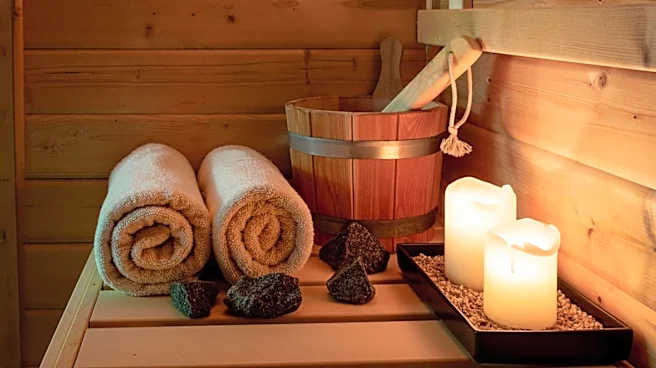
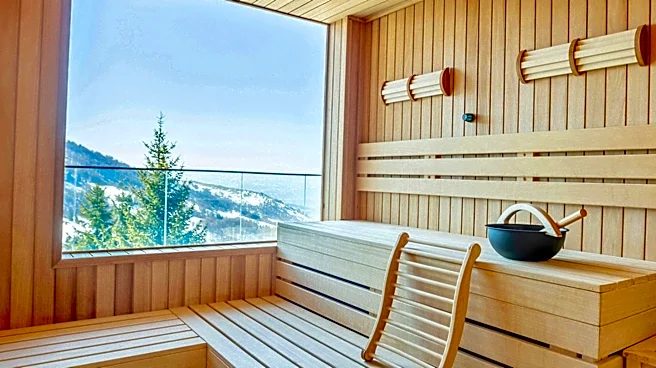
A luxury wellness retreat in Tampa, Florida, is offering guests a range of high-end amenities, including a sauna and cold plunge. The property, described as a spacious holiday home, features four bedrooms and three bathrooms, a fully equipped kitchen,
a balcony, and a private entrance. Beyond the wellness facilities, guests have access to a fitness room, an outdoor seating area, and a garden. The retreat also provides free WiFi in public areas. Its location is convenient, situated 3.1 miles from Tampa International Airport and an 18-minute walk from The David A. Straz, Jr. Center For The Performing Arts. Nearby attractions include Hyde Park and Adventure Island. The property has received exceptional ratings from guests, particularly for its facilities, cleanliness, comfort, and location.
Why It's Important?
The emergence of luxury wellness retreats like the one in Tampa signifies a growing trend in the hospitality industry towards health-focused travel experiences. This development caters to a demographic increasingly prioritizing well-being, stress reduction, and physical rejuvenation during their leisure time. For the U.S. tourism sector, such offerings can attract high-value travelers seeking specialized accommodations, potentially boosting local economies through increased spending on services, dining, and attractions. The inclusion of amenities like saunas and cold plunges reflects a broader consumer interest in therapeutic practices, influencing how hotels and resorts design their offerings to meet evolving guest expectations. This trend could also spur competition among hospitality providers to innovate and differentiate their wellness programs.
What's Next?
The success of luxury wellness retreats in locations like Tampa may encourage further investment in similar properties across the U.S., particularly in areas known for tourism or natural beauty. We can anticipate other hospitality businesses adapting their services to include more comprehensive wellness packages, potentially integrating personalized health assessments, specialized fitness programs, and nutritional guidance. The demand for such retreats is likely to continue growing, prompting developers to explore new markets and expand existing facilities. Additionally, there may be an increased focus on incorporating sustainable and eco-friendly practices into these retreats, aligning with the values of health-conscious consumers. The industry could also see a rise in partnerships between wellness experts and hospitality groups to create more unique and effective programs.
Beyond the Headlines
The rise of luxury wellness retreats points to a deeper societal shift towards holistic health and self-care, moving beyond traditional vacation models. This trend reflects a growing awareness of the impact of stress and modern lifestyles on well-being, leading individuals to seek intentional spaces for recovery and rejuvenation. Ethically, the accessibility of such high-end retreats raises questions about health equity, as these services often come with a significant price tag, making them exclusive to a certain economic demographic. Culturally, it signifies a redefinition of luxury, where experiences that promote physical and mental health are becoming as coveted as material possessions. This shift could also influence corporate wellness programs, as companies might increasingly consider offering wellness retreat benefits to employees as a way to combat burnout and improve productivity.