




What's Happening?
Coldwell Banker's 2027 Home Design Forecast highlights an emerging trend towards 'quiet rooms' and wellness-focused spaces within residential design. These spaces are envisioned as screen-free, analog retreats where individuals can engage in activities
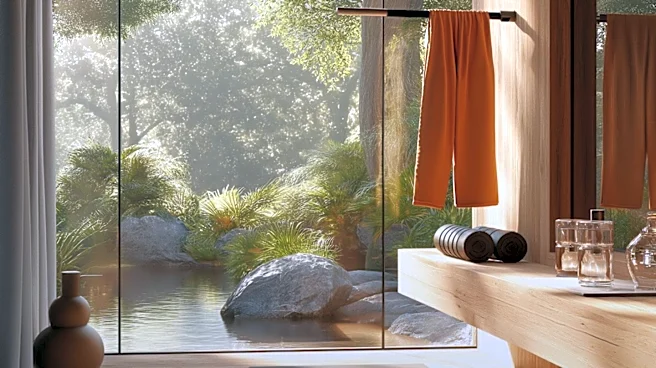
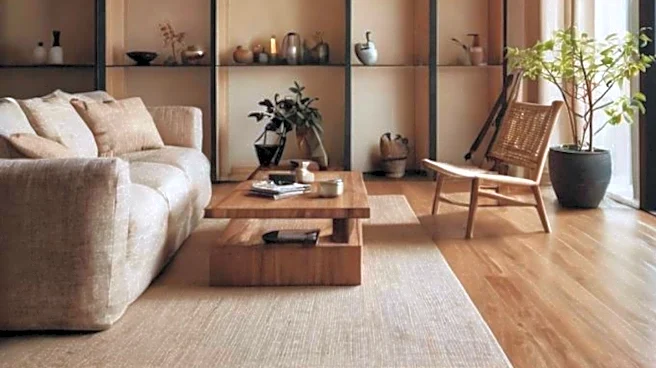
like reading, listening to music, playing games, or simply unwinding without digital distractions. The forecast suggests that homeowners are increasingly prioritizing comfort, personality, and functionality, with a strong emphasis on long-term livability and creating timeless interiors. Simple rearrangements, such as placing a comfortable chair near a window or arranging seating to encourage conversation, are transforming small corners into these quiet havens. Additionally, the forecast notes a continued integration of nature through houseplants and natural materials, along with layered lighting to create adaptable ambiances throughout the day. These intentional design choices aim to make homes more restorative and supportive of daily routines.
Why It's Important?
This trend signifies a broader societal shift towards prioritizing mental well-being and digital detox within the home environment. For the U.S. real estate and interior design industries, it indicates a growing demand for homes that offer dedicated spaces for relaxation and focus, moving beyond purely aesthetic considerations. Builders and designers who incorporate these wellness-centric features may gain a competitive edge, as consumers seek residences that actively contribute to their quality of life. The emphasis on 'analog' spaces also suggests a potential market for products that support these activities, such as physical books, board games, and non-digital entertainment. This shift could influence architectural planning, furniture design, and the types of amenities homeowners expect, potentially leading to a re-evaluation of open-concept living in favor of more segmented, purposeful spaces designed for tranquility.
What's Next?
As this trend gains momentum, it is likely that real estate listings will increasingly feature 'quiet rooms,' 'wellness nooks,' or 'meditation spaces' as key selling points. Interior designers will need to adapt their portfolios to offer solutions that cater to this demand, focusing on acoustics, natural light, and calming material palettes. We may see an increase in the availability of furniture and decor specifically designed for these serene environments, such as comfortable reading chairs, sound-absorbing panels, and integrated plant displays. Furthermore, smart home technology, while still prevalent, may evolve to support these quiet zones by offering features like automated lighting for relaxation or integrated soundscapes that promote calm, rather than solely focusing on connectivity and entertainment. The market could also see a rise in specialized consultants focusing on creating restorative home environments.
Beyond the Headlines
The emergence of 'quiet rooms' reflects a deeper cultural response to the pervasive digital landscape and the increasing demands of modern life. It highlights a growing awareness of the need for intentional disconnection and mental respite, suggesting a counter-movement to the always-on culture. This trend could have long-term implications for how we perceive and utilize our homes, transforming them from mere living spaces into sanctuaries for mental and emotional well-being. Ethically, it raises questions about accessibility to such spaces, as not all homeowners may have the resources or square footage to dedicate entire rooms to quiet retreats. Culturally, it may signal a re-appreciation for traditional, non-digital forms of leisure and personal enrichment, potentially influencing consumer spending habits towards experiences and items that foster mindfulness and tranquility over constant digital engagement.