






What's Happening?
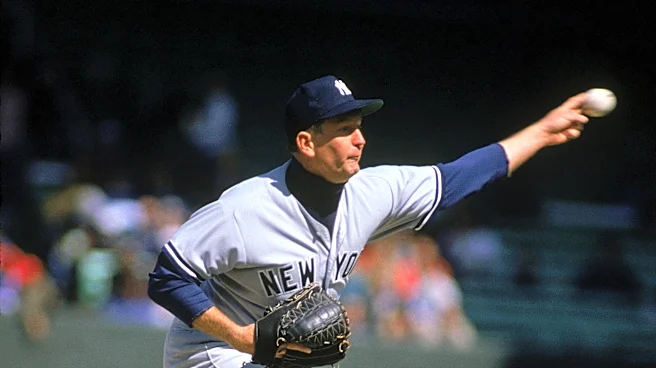
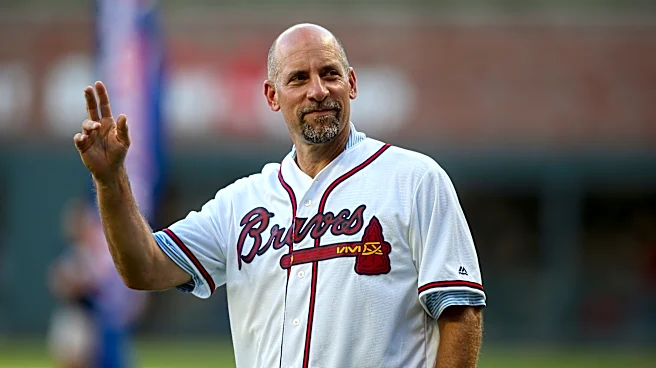
Tommy John, a distinguished Major League Baseball pitcher whose name became synonymous with a revolutionary surgical procedure, has passed away at the age of 83. John's career spanned 26 years, during which he secured 288 wins, establishing himself as one
of baseball's most durable pitchers. He debuted with Cleveland in 1963 and concluded his career with the New York Yankees in 1989 at 46. A four-time All-Star left-hander, John ranks second in total wins among Modern Era pitchers not inducted into the Baseball Hall of Fame. A pivotal moment in his career occurred on July 17, 1974, when he suffered a complete tear of his left ulnar collateral ligament. After conservative treatments failed, Dr. Frank Jobe performed an innovative surgery on September 25, 1974, using a tendon from John's right forearm to reconstruct his elbow. This procedure, now known as 'Tommy John surgery,' enabled him to return to professional play, with more than half of his career victories occurring after the operation.
Why It's Important?
Tommy John's legacy extends far beyond his impressive pitching statistics; his name is inextricably linked to a medical breakthrough that revolutionized sports medicine. The 'Tommy John surgery' has saved and extended the careers of countless athletes across various sports, particularly baseball pitchers, who face similar elbow injuries. This innovation transformed the understanding of athletic recovery and rehabilitation, offering a viable path back to elite performance for injuries once considered career-ending. His successful return to pitching after the surgery provided crucial validation for the procedure, paving the way for its widespread adoption. The impact is significant for the sports industry, as it allows teams to invest in and retain high-value players for longer periods, influencing player contracts, team strategies, and the overall economic landscape of professional sports. His story underscores the intersection of medical science and athletic achievement.
What's Next?
While Tommy John's playing career concluded decades ago, his influence continues to shape the future of sports medicine and athlete longevity. The surgical procedure bearing his name remains a standard treatment for ulnar collateral ligament injuries, and ongoing research aims to refine the technique and improve recovery outcomes. The medical community will continue to build upon the foundation laid by Dr. Jobe and validated by John's return to play. For current and future athletes, the possibility of returning to their sport after such a severe injury offers hope and a clear pathway for rehabilitation. Discussions within sports organizations will likely continue regarding injury prevention, rehabilitation protocols, and the long-term health of athletes, all informed by the precedent set by Tommy John's experience.
Beyond the Headlines
Tommy John's story is a testament to resilience and the power of medical innovation. His determination to return to the mound after a seemingly career-ending injury not only solidified his place in baseball history but also inspired generations of athletes. The 'Tommy John surgery' represents a paradigm shift in how sports injuries are perceived and treated, moving from resignation to proactive intervention. This has broader cultural implications, fostering a belief in overcoming physical adversity through scientific advancement. Furthermore, the widespread adoption of the surgery has led to ethical considerations regarding the pressures on young athletes to undergo the procedure and the long-term effects of such interventions. His life highlights the profound impact an individual can have on both a sport and the medical field, creating a lasting legacy that transcends his athletic achievements.