




What's Happening?
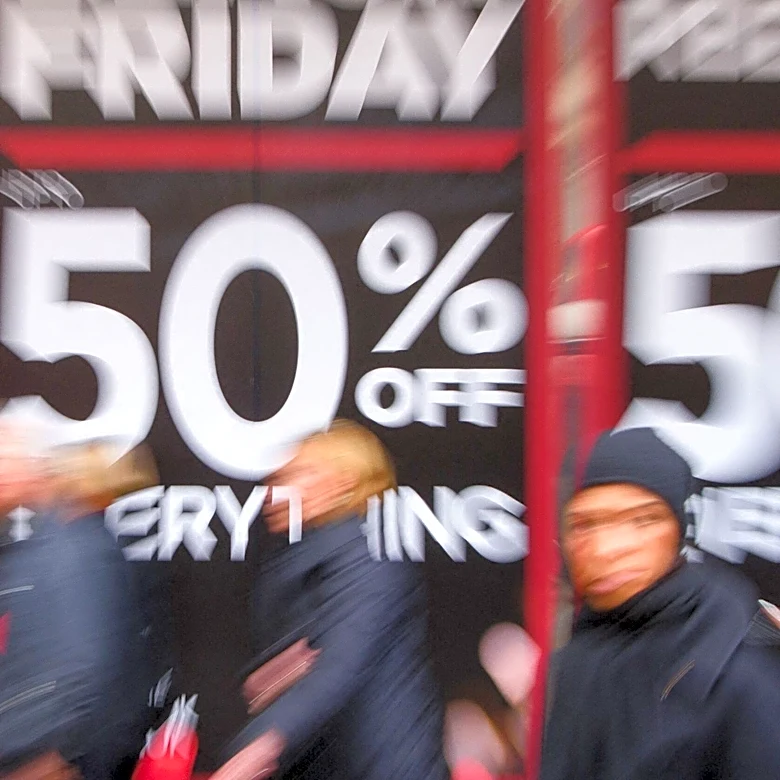
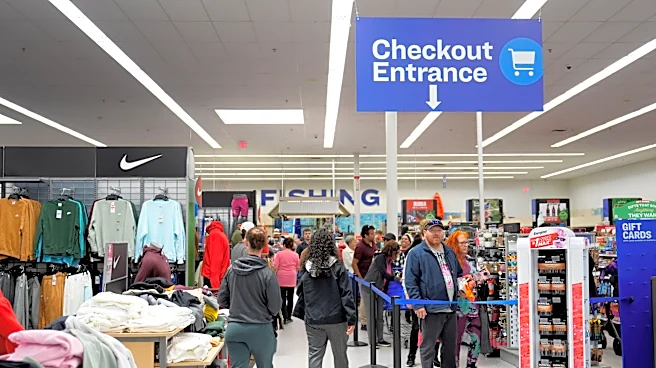
Black Friday 2026, observed on November 27, has prompted major U.S. retailers and brands to initiate significant sales events. Companies such as Amazon, Best Buy, Target, Walmart, REI, Lululemon, Sephora, and Wayfair are offering substantial discounts
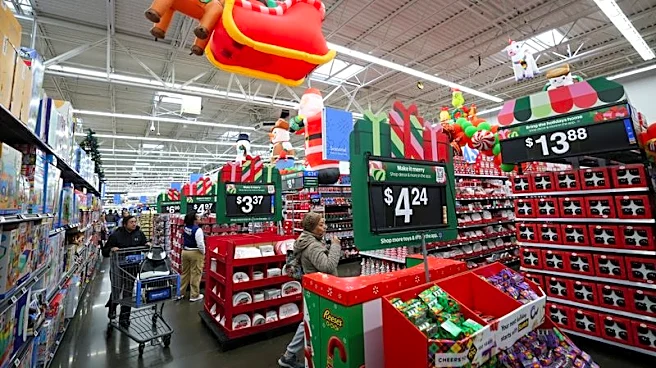
across a broad spectrum of products. These sales encompass technology, home goods, fashion, appliances, furniture, mattresses, and e-bikes. The traditional Black Friday shopping period has expanded, with deals now available throughout most of November and extending into early December. NBC Selected highlights that these promotions include travel, clothing, and family and kids' items, while Forbes Vetted emphasizes deals on high-value products like TVs, laptops, and health and wellness items. Retailers are presenting some of the year's lowest prices, making it a prime shopping period for consumers.
Why It's Important?
The extensive Black Friday sales are crucial for the U.S. retail sector, serving as a significant driver of consumer spending during the holiday season. These widespread discounts can boost sales volumes for participating retailers, potentially impacting their quarterly earnings and overall market performance. For consumers, it represents an opportunity to purchase desired items at reduced prices, which can influence household budgeting and discretionary spending. The expansion of the sales period beyond the traditional weekend also indicates a strategic shift by retailers to capture a larger share of holiday spending over a longer duration, potentially alleviating the intense single-day rush and spreading out logistical demands. This period is vital for many businesses to meet annual sales targets and clear inventory.
What's Next?
As Black Friday sales continue through early December, consumers can anticipate ongoing promotions and potentially new deals as retailers adjust strategies based on initial sales performance. Major retailers will likely monitor inventory levels and consumer demand to determine whether to extend or modify existing discounts. Post-Black Friday, attention will shift towards Cyber Monday and subsequent holiday sales, which will further shape consumer spending patterns for the remainder of the year. The success of these extended sales periods will provide insights into consumer confidence and economic trends heading into the new year, influencing future retail strategies and marketing campaigns.
Beyond the Headlines
The extended Black Friday sales period reflects a broader evolution in consumer shopping habits and retail strategies. The shift from a single-day event to a month-long promotional period highlights the increasing influence of e-commerce and the competitive pressure among retailers to attract and retain customers. This prolonged sales cycle can also have environmental implications due to increased production and shipping, as well as potential impacts on consumer debt if spending is not managed responsibly. Furthermore, the emphasis on deep discounts may influence consumer perceptions of product value and pricing throughout the rest of the year, potentially setting new expectations for promotional activity.