




What's Happening?
The hanko, a personal seal used in Japan, holds significant cultural and historical importance, serving as a traditional alternative to handwritten signatures. While its official role has diminished since a 2020 reform that reduced its requirement for administrative
procedures, the hanko remains a prevalent part of daily life for many Japanese adults. Historically, hanko were essential for transactions like opening bank accounts, signing leases, and registering marriages. Today, they are still used for delivery slips, some contracts, and various forms. For tourists, acquiring a custom-made hanko has become a popular souvenir, offering a personalized and culturally rich memento. Artisans can carve foreign names in katakana, kanji, or the alphabet, with options for materials ranging from wood to horn, and even titanium.
Why It's Important?
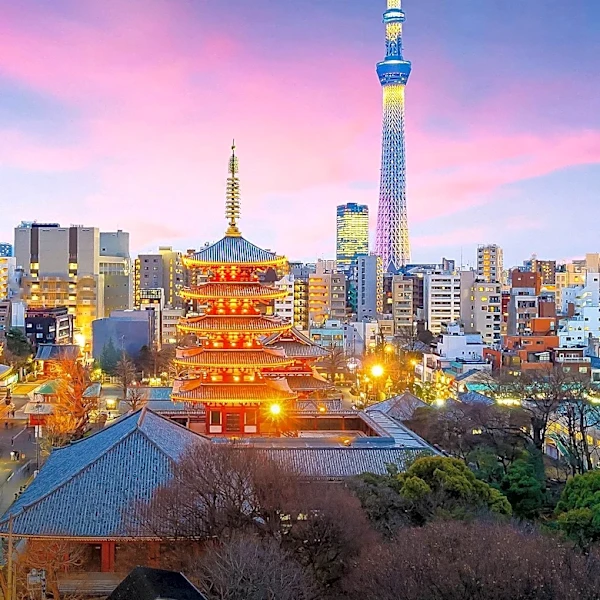
The enduring presence of hanko stamps, even with reduced official requirements, highlights the deep-rooted cultural practices in Japan that continue to influence daily life and identity. For U.S. travelers, the hanko offers a unique insight into Japanese customs and a tangible connection to its history. The opportunity to have a personalized hanko made contributes to the appeal of Japanese tourism, providing a distinct souvenir that goes beyond typical mass-produced items. This cultural exchange can foster greater understanding and appreciation of Japanese traditions among American visitors. Economically, the demand for custom hanko supports local artisans and small businesses in Japan, particularly in tourist-heavy areas like Asakusa, contributing to the local economy through craft and personalized services.
What's Next?
As Japan continues to modernize and digitize administrative processes, the official use of hanko may further decline, but its cultural significance and appeal as a personal item or souvenir are likely to persist. Shops catering to tourists will continue to offer custom hanko, potentially expanding options for materials, designs, and expedited services. There may be increased efforts to educate visitors on the history and proper use of hanko, enhancing the cultural experience. The debate around the balance between tradition and modernity in Japanese bureaucracy will likely continue, with hanko serving as a symbol of this ongoing discussion. For tourists, the process of selecting script and material, and understanding the meaning behind kanji characters, will remain a key part of the hanko experience.
Beyond the Headlines
The hanko stamp, beyond its practical use, embodies a system of trust and personal identity that has evolved over centuries in Japan. Its shift from a mandatory legal instrument to a cherished personal item or souvenir reflects broader changes in how societies authenticate identity and conduct transactions. The discussion around its necessity during the pandemic, where remote workers had to travel to stamp documents, underscored the tension between traditional practices and modern efficiency. This cultural artifact also raises questions about the future of physical signatures and seals in an increasingly digital world. For visitors, owning a hanko can symbolize a deeper engagement with Japanese culture, moving beyond superficial tourism to an appreciation of its unique social and historical fabric, and serving as a reminder of the intricate ways culture shapes daily life.