






What's Happening?
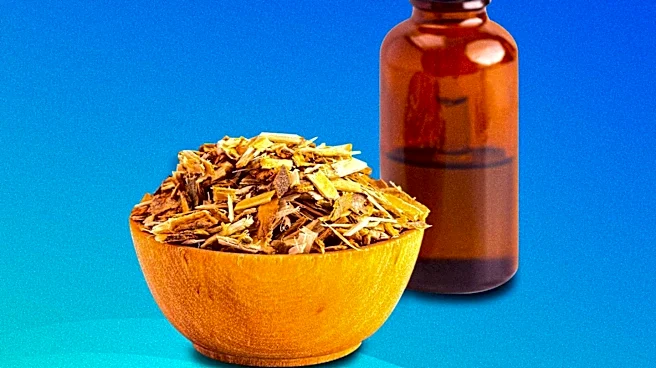
Wellness influencers in the U.S. are actively promoting berberine, a compound extracted from Berberis plants, as "nature's Ozempic." This trend highlights a growing interest in natural health supplements, often driven by social media. Berberine has a long
history of use in traditional Chinese and Indian medicine, where it was applied for various ailments including fevers, diarrhea, skin infections, eye conditions, and blood sugar control. While influencers are presenting it as a new discovery for metabolic health and weight management, its efficacy for these specific modern applications, particularly as a direct alternative to prescription drugs like Ozempic, is largely based on anecdotal evidence and influencer marketing rather than rigorous scientific validation in the U.S. context. The global supply chain for berberine is dominated by China, which controls approximately 80% of exports, with India as a distant second. Japan has carved out a niche in refining berberine into a more stable form, berberine chloride.
Why It's Important?
The surge in popularity of berberine, fueled by wellness influencers, has significant implications for the U.S. supplement market and public health. Consumers, influenced by social media trends, may turn to unproven natural remedies, potentially delaying or replacing evidence-based medical treatments for conditions like diabetes or obesity. This trend also underscores a broader issue of how traditional remedies from other cultures are re-packaged and marketed in the U.S. without necessarily adhering to the same scientific scrutiny applied to pharmaceuticals. The economic impact extends to the global supply chain, where countries like China and India, rich in raw materials and traditional knowledge, primarily export unprocessed extracts. This creates a 'formulation gap,' where other nations, like Japan, add value through refinement and then re-export, often at significantly higher prices. This dynamic means that while the U.S. market is consuming these products, the economic benefits of value-added processing are not primarily accruing to the source countries of the raw material and traditional knowledge.
What's Next?
The continued promotion of berberine by wellness influencers is likely to sustain its demand in the U.S. market. This could lead to increased scrutiny from regulatory bodies like the FDA regarding the claims made about such supplements, especially if they are marketed as alternatives to prescription medications. There may also be a push for more scientific research into berberine's efficacy and safety for modern health concerns, particularly in the context of weight management and metabolic health, to either validate or debunk the claims made by influencers. Furthermore, the 'formulation gap' identified in the source suggests potential opportunities for Indian brands to develop and market their own value-added berberine products, leveraging their traditional knowledge and raw material resources, rather than solely exporting unprocessed extracts. This could shift some of the economic benefits back to the source countries and potentially lead to more organized and scientifically backed product development.
Beyond the Headlines
The phenomenon of berberine's rise in the U.S. wellness market, driven by influencers, highlights several deeper implications. Ethically, it raises questions about the responsibility of influencers in promoting health products without robust scientific backing, potentially misleading consumers and impacting their health decisions. Legally, the regulatory framework for dietary supplements in the U.S. is less stringent than for pharmaceuticals, allowing for a broader range of claims that may not be fully substantiated. Culturally, it exemplifies the Western appropriation and commercialization of traditional medicine practices from other cultures, often stripping them of their historical context and re-branding them for a new market. This trend also points to a growing distrust in conventional medicine among some segments of the population, leading them to seek alternative solutions, often found through social media. The long-term shift could be towards a more integrated approach where traditional knowledge is subjected to modern scientific validation, or conversely, a continued proliferation of unregulated health claims in the digital sphere.