





What's Happening?
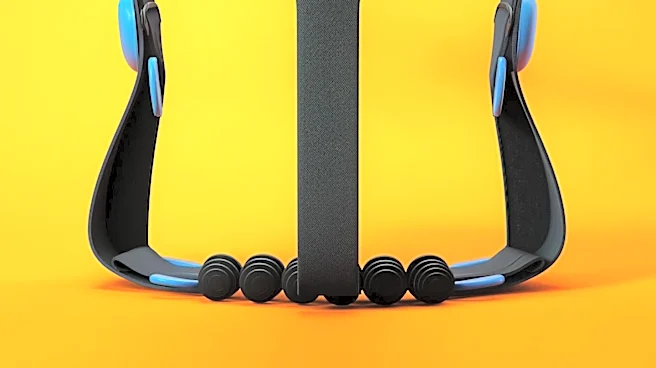
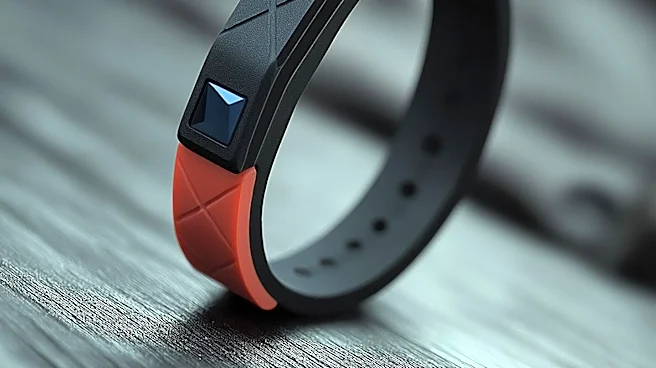
Wearable health technology is rapidly evolving, offering more than just fitness tracking. Devices such as smartwatches now provide advanced health monitoring features, including the detection of irregular heart rhythms, blood pressure, blood oxygen levels,
sleep patterns, and heart rate variability. These devices can alert users to potential health issues, prompting them to seek medical attention. Despite these advancements, wearable devices are not a substitute for professional medical evaluation. Additionally, a new flexible sensing-memory integrated platform has been developed, enhancing physiological health monitoring by integrating sensing and memory functions, offering a low-cost, flexible electronic skin for simultaneous physiological sensing, data storage, and wireless transmission.
Why It's Important?
The expansion of wearable health technology signifies a shift towards more personalized healthcare, providing users and healthcare providers with unprecedented access to health data. This can lead to early detection of health issues and more proactive health management. However, the reliance on these devices also raises concerns about data accuracy and privacy. As these technologies become more integrated into daily life, they could potentially reduce healthcare costs by minimizing the need for frequent doctor visits. The development of flexible electronic skin technology further enhances the potential for continuous health monitoring, offering a more comprehensive view of an individual's health status.
What's Next?
As wearable health technology continues to advance, we can expect further integration with artificial intelligence to enhance data analysis and health predictions. This could lead to more personalized health recommendations and interventions. The healthcare industry may also see increased collaboration with tech companies to develop more sophisticated devices. Regulatory bodies will likely need to establish guidelines to ensure the accuracy and privacy of health data collected by these devices. Additionally, there may be a growing market for insurance products that incorporate wearable health data to offer personalized health plans.
Beyond the Headlines
The rise of wearable health technology raises ethical and legal questions regarding data privacy and ownership. As these devices collect sensitive health information, there is a need for clear regulations to protect user data. The integration of AI in health monitoring also poses questions about the role of technology in healthcare decision-making and the potential for over-reliance on automated systems. Furthermore, the accessibility of these technologies could widen the gap between those who can afford them and those who cannot, highlighting the need for equitable access to health innovations.