
What's Happening?
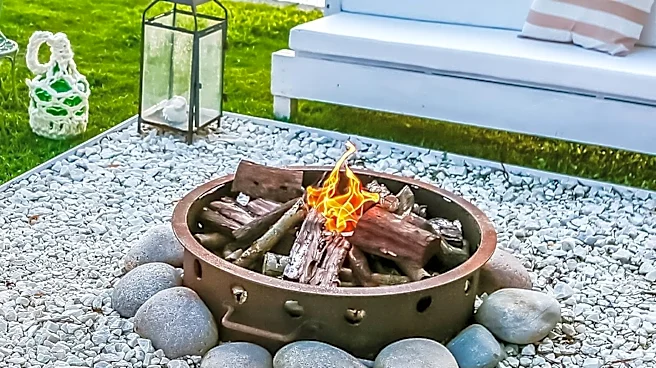
To revitalize backyard spaces, homeowners are encouraged to utilize existing materials such as bricks or stone for decorative edging around concrete pads, and to integrate potted plants to refresh seating
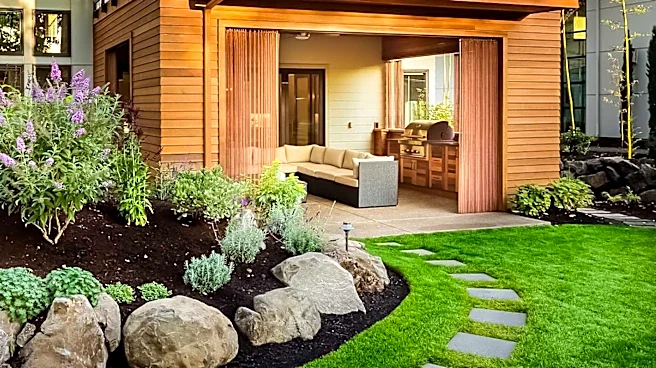
areas. A key recommendation involves trimming shrubs and trees to improve yard definition. Additionally, increasing plant density in planting beds can be achieved by dividing clumping perennials and ornamental grasses. Maintaining clean bed edges and relocating oversized or shaded plants to more suitable locations are also advised. Introducing a central feature, such as a new plant, a bird feeder, or an art piece, can significantly enhance the landscape. For smaller backyards, specific design considerations include avoiding oversized furniture, excessive seating, numerous decorative items, large plants, poorly planned pathways, an overabundance of materials, storage that obstructs movement, and harsh lighting. Instead, the focus should be on multifunctional furniture, vertical gardening, built-in seating, smart storage solutions, clearly defined pathways, strategic lighting, and simplified landscaping to maximize the available space.
Why It's Important?
These landscaping strategies are important for U.S. homeowners as they offer practical and cost-effective methods to improve property aesthetics and functionality. By reusing materials and optimizing plant management, individuals can reduce expenses associated with new purchases and professional landscaping services, which is particularly relevant in an economic climate where household budgets are often scrutinized. The emphasis on maximizing small backyard spaces addresses a common challenge in urban and suburban areas where lot sizes are often limited. Implementing these tips can lead to increased property value, enhanced curb appeal, and a more enjoyable outdoor living environment. Furthermore, the focus on plant health and strategic placement contributes to sustainable gardening practices, promoting biodiversity and reducing the need for excessive water or chemical treatments. This approach empowers homeowners to create personalized and efficient outdoor retreats, fostering a sense of well-being and community pride.
What's Next?
Homeowners are likely to continue exploring DIY landscaping projects, leveraging online resources and local garden centers for materials and plant selections. The trend towards sustainable and cost-effective outdoor improvements is expected to grow, with an increased demand for information on plant care, material repurposing, and space-saving design techniques. Local workshops and community initiatives focused on gardening and landscaping may see a rise in participation as individuals seek practical skills and inspiration. Businesses in the home improvement and gardening sectors may adapt by offering more versatile products, smaller-scale furniture options, and educational content tailored to these evolving homeowner needs. Additionally, the integration of smart home technology for outdoor lighting and irrigation systems could become more prevalent, further enhancing the efficiency and enjoyment of backyard spaces.
Beyond the Headlines
The shift towards thoughtful backyard landscaping reflects broader societal trends concerning sustainability, personal well-being, and the desire for accessible outdoor spaces. In an increasingly digital world, creating a functional and aesthetically pleasing backyard offers a tangible connection to nature and a retreat from daily stressors. The emphasis on reusing materials and optimizing existing resources also highlights a growing environmental consciousness among consumers, moving away from disposable culture towards more circular practices. Culturally, the backyard often serves as a central hub for family gatherings and social activities, and its thoughtful design can significantly impact the quality of these interactions. This trend also underscores the psychological benefits of gardening and outdoor engagement, contributing to mental health and physical activity. The long-term implications could include a greater appreciation for local flora, a reduction in waste, and the development of more resilient and community-oriented neighborhoods.