





What's Happening?
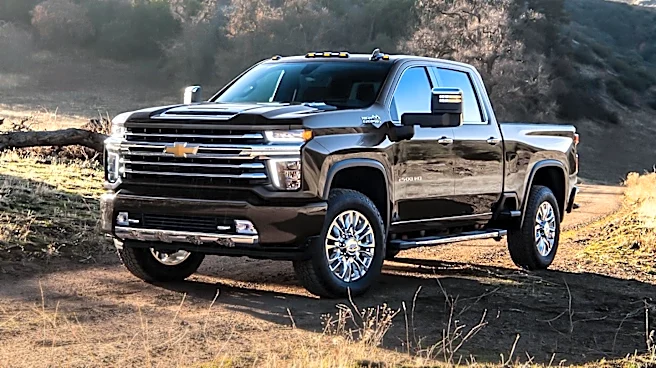
The Chevrolet Silverado EV, introduced by General Motors as a fully electric version of its popular pickup model, is experiencing lower-than-expected sales. Despite its impressive technical specifications, including a range of over 400 miles and advanced
features like the Super Cruise autonomous driving system, the Silverado EV sold only about 14,000 units in the US and Canada last year. This figure is significantly lower than sales of traditional fuel-powered models. Factors such as conservative consumer preferences, design appeal, pricing complexity, and infrastructure concerns are contributing to the sales challenges.
Why It's Important?
The Chevrolet Silverado EV's struggle to gain traction in the market highlights the challenges faced by traditional automakers in transitioning to electric vehicles. Despite the vehicle's technical capabilities, consumer skepticism and infrastructure limitations remain significant barriers to widespread adoption. The situation underscores the need for automakers to address consumer concerns and enhance the appeal of electric vehicles to compete effectively with established gasoline-powered models. The Silverado EV's performance could influence General Motors' future strategies in the electric vehicle market.
What's Next?
General Motors may need to reassess its marketing and sales strategies for the Silverado EV to boost consumer interest and address the identified challenges. Enhancing charging infrastructure and addressing consumer concerns about electric vehicle reliability and design could be crucial steps. The company might also consider revising its pricing strategy to make the Silverado EV more competitive. As the global trend moves towards electric transport, General Motors' ability to adapt and innovate will be key to its success in the evolving automotive landscape.