



What's Happening?
Postpartum fitness routines are shifting focus from rapid 'bounce-back' transformations to a more gradual and supportive approach for new mothers. Experts, including Dr. Bijal Dodia, senior consultant physiotherapist at Sir HN Reliance Foundation Hospital,
Mumbai, advocate for prioritizing strength and well-being over immediate pre-pregnancy body image. After an uncomplicated vaginal delivery, gentle activities like walking and breathing exercises can begin within days, followed by gentle pelvic floor contractions. For those who have undergone a C-section or experienced significant perineal injury, recovery requires a more gradual return to physical activity due to the need for incision and tissue healing. The body undergoes significant changes postpartum, including weakened pelvic floor muscles, potential diastasis recti (abdominal muscle separation), and lingering pregnancy hormones that can loosen joints. These factors necessitate a careful and progressive fitness regimen.
Why It's Important?
This shift in postpartum fitness philosophy is crucial for the long-term health and well-being of new mothers. The previous emphasis on quick weight loss and intense workouts often led to unrealistic expectations and potential physical harm, including exacerbating conditions like diastasis recti or pelvic floor dysfunction. By promoting a gradual, body-positive approach, healthcare professionals are helping to prevent injuries and foster sustainable health habits. This change also impacts the fitness industry, encouraging the development of specialized postpartum programs that focus on core stability, pelvic health, and functional strength rather than high-impact exercises. It empowers women to listen to their bodies and prioritize recovery, ultimately leading to better physical and mental health outcomes during a vulnerable period.
What's Next?
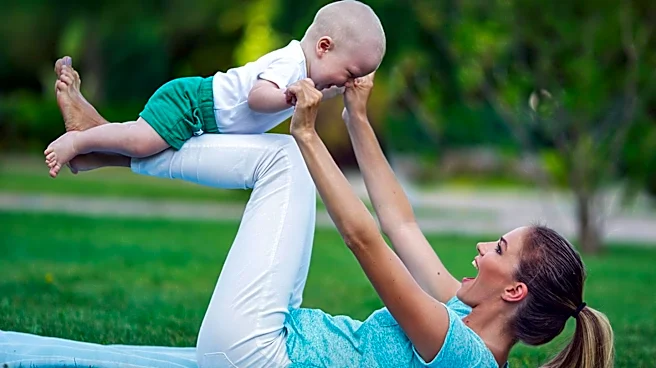
The trend towards specialized postpartum fitness programs is expected to continue growing, with offerings like parent-and-baby yoga or Pilates sessions and pelvic health physiotherapy becoming more common. Healthcare providers will likely continue to emphasize the importance of medical clearance and individualized recovery plans, moving away from a 'one-size-fits-all' approach. The six-week postnatal check-up, often seen as a green light for all activities, will increasingly be clarified as a general milestone rather than an automatic readiness for high-impact exercises. Educational initiatives will also play a key role in informing new parents about safe and effective postpartum exercise, encouraging them to seek guidance from qualified professionals and prioritize their body's healing process.
Beyond the Headlines
The evolving understanding of postpartum fitness reflects a broader cultural shift towards body positivity and a more holistic view of women's health. It challenges societal pressures that often dictate unrealistic beauty standards for new mothers, promoting self-care and recovery as essential components of motherhood. This movement also highlights the importance of specialized physical therapy and exercise science in addressing the unique physiological changes women experience after childbirth. By focusing on foundational strength and pelvic health, these programs contribute to preventing long-term issues such as incontinence and chronic pain, thereby improving the overall quality of life for mothers. It underscores the ethical responsibility of the fitness and healthcare industries to provide accurate, supportive, and safe guidance during this critical life stage.