




What's Happening?
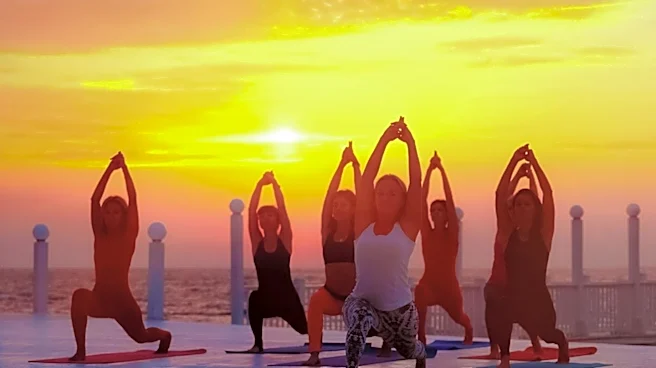
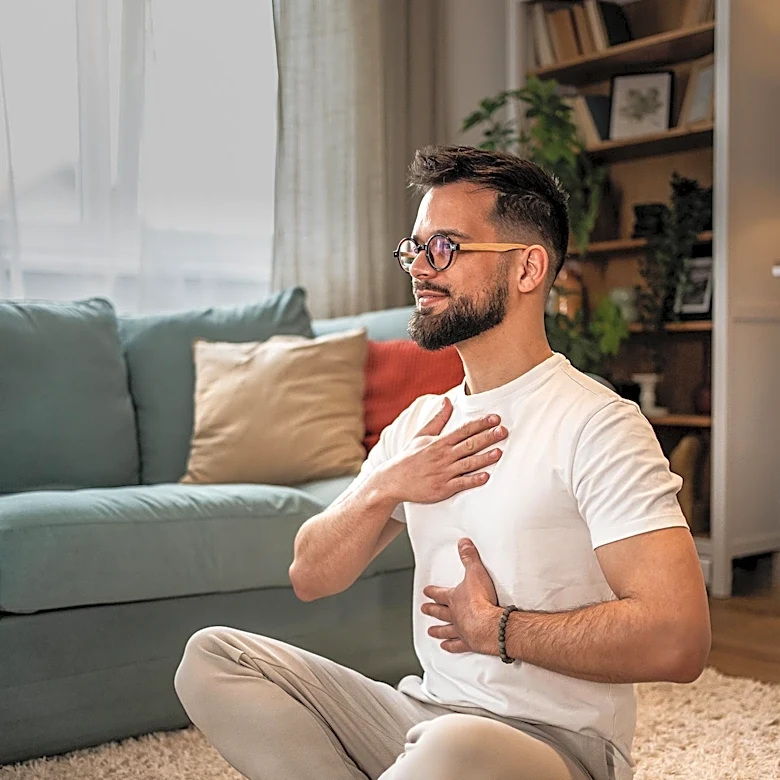
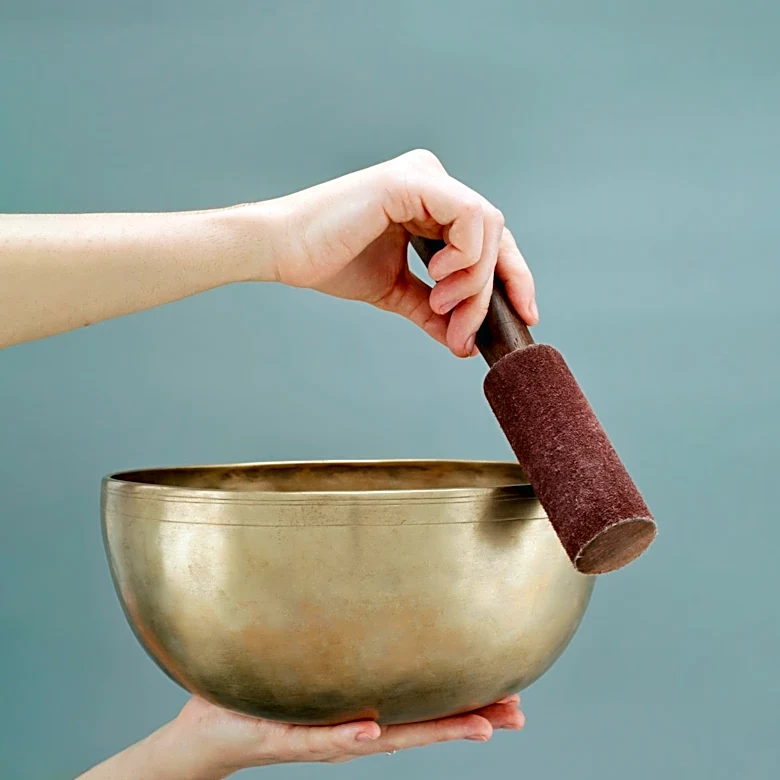
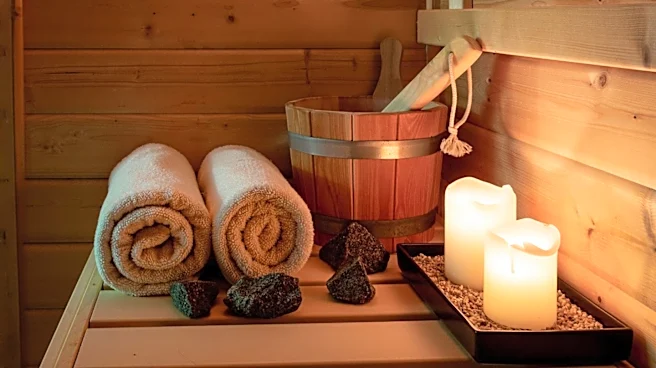
The Root Urban Retreat is scheduled to host a wellness event in Portland, Oregon, on Sunday, November 15. This event will feature a variety of activities aimed at promoting well-being, including guided meditation, breathwork sessions, spa treatments,
and sound healing. The retreat is designed to offer participants a comprehensive experience focused on relaxation and personal rejuvenation within an urban setting. Other urban retreats mentioned in the sources include the Bivar Urban Retreat in Lisbon, which provides accommodations with amenities like free Wi-Fi and a kitchen, and The Sanctuary Urban Retreat, offering services such as free Wi-Fi, airport shuttle, and room service. The Urban Retreat in Belize also provides a one-bedroom apartment. Wellbeing Media discusses the planning of both local and destination retreats, emphasizing the inclusion of various wellness activities to create tailored experiences.
Why It's Important?
The increasing popularity of urban retreats, as exemplified by the Root Urban Retreat in Portland, signifies a growing trend in the U.S. wellness industry. This trend reflects a societal shift towards prioritizing mental and physical well-being, even amidst busy urban lifestyles. For individuals, these retreats offer accessible opportunities for stress reduction and self-care without the need for extensive travel, making wellness more attainable. For the business sector, this creates new market opportunities for hospitality providers, wellness practitioners, and local businesses that can cater to the needs of retreat participants. The demand for such services can stimulate local economies, particularly in cities like Portland, by attracting participants and generating revenue for related services like spas, healthy food providers, and specialized instructors. This also highlights a broader recognition of the importance of holistic health in modern society.
What's Next?
The upcoming Root Urban Retreat in Portland is likely to draw local attendees seeking accessible wellness experiences. Following this event, there may be an increased interest in similar urban wellness initiatives across other U.S. cities, as the model proves successful. Organizers of such retreats may explore expanding their offerings, potentially including more specialized workshops or longer-duration programs. The success of these events could also encourage more businesses in the hospitality and wellness sectors to collaborate, creating integrated packages that combine accommodation with wellness activities. Furthermore, the focus on diverse wellness practices like breathwork and sound healing suggests a continued diversification of the wellness market, moving beyond traditional spa services to more holistic and experiential offerings. This could lead to a greater variety of urban retreat options becoming available in the near future.
Beyond the Headlines
The rise of urban retreats points to a deeper cultural shift where self-care and mental health are becoming integral components of daily life, rather than occasional luxuries. This development challenges the traditional notion that retreats must be in remote, natural settings, demonstrating that rejuvenation can be found within city limits. Ethically, these retreats offer a more inclusive option for individuals who may not have the time or resources for destination travel, democratizing access to wellness practices. Legally, as the industry grows, there may be increased scrutiny on the qualifications of practitioners and the safety of activities offered. Culturally, the integration of practices like sound healing and breathwork into mainstream urban offerings reflects a growing openness to diverse healing modalities. This trend could lead to a long-term shift in how urban environments are perceived, transforming them from solely centers of commerce and activity into spaces that also foster personal growth and well-being.