







What's Happening?
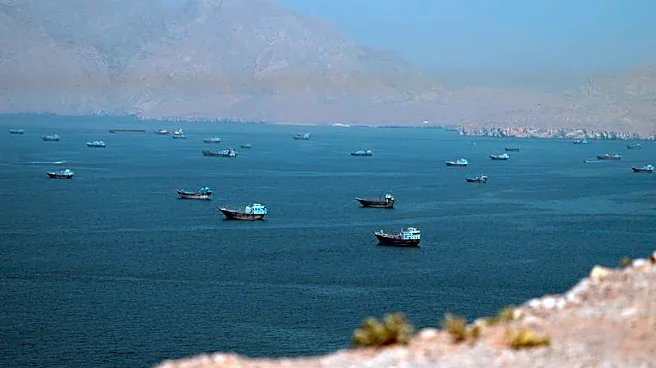
The recent U.S.-Iran agreement to reopen the Strait of Hormuz has provided some relief to global energy markets, but analysts warn that the economic damage from the conflict will take months to resolve. The memorandum signed by the U.S. and Iran aims
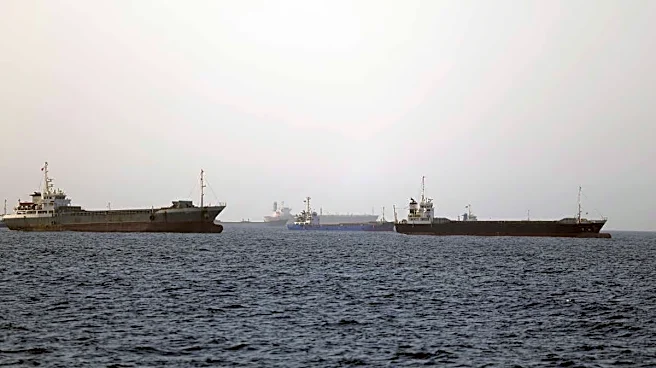
to end a war that disrupted global energy supply chains and increased inflation. Despite the reopening, oil prices have decreased to around $80 a barrel, down from a peak of $118. However, the World Bank has lowered its global economic growth forecast to 2.5% and expects inflation to rise to 4% this year. The backlog of vessels waiting to transit the strait and the slow recovery of freight flows are expected to delay a full economic recovery.
Why It's Important?
The reopening of the Strait of Hormuz is crucial for global energy security, as it is a key chokepoint for oil transportation. The prolonged conflict has already embedded higher inflation rates into many economies, affecting food and energy sectors. Countries are now focusing on bolstering energy stockpiles and seeking alternative supply routes to mitigate future disruptions. The situation highlights the vulnerability of global supply chains to geopolitical tensions and the need for diversified energy sources. The economic impact is significant, with potential increases in fertilizer prices and inflationary pressures in Europe and Japan due to higher U.S. liquefied natural gas export prices.
What's Next?
The recovery of oil flows through the Strait of Hormuz is expected to be gradual, with logistical challenges and a backlog of vessels potentially delaying a full return to normalcy. Countries are likely to continue strengthening their energy security strategies, including increasing domestic production and exploring alternative routes. The global economic outlook remains uncertain, with inflationary pressures and supply chain disruptions posing ongoing risks. Stakeholders will need to monitor the situation closely and adapt to the evolving geopolitical landscape.